Mayan Ruins Near Tulum, Compared
Five Mayan sites sit within a two-hour drive of Tulum, and each one answers a different travel question. This guide compares them on the numbers that actually decide a trip: distance, entry fees, crowd levels and climbing rules.
Short answer
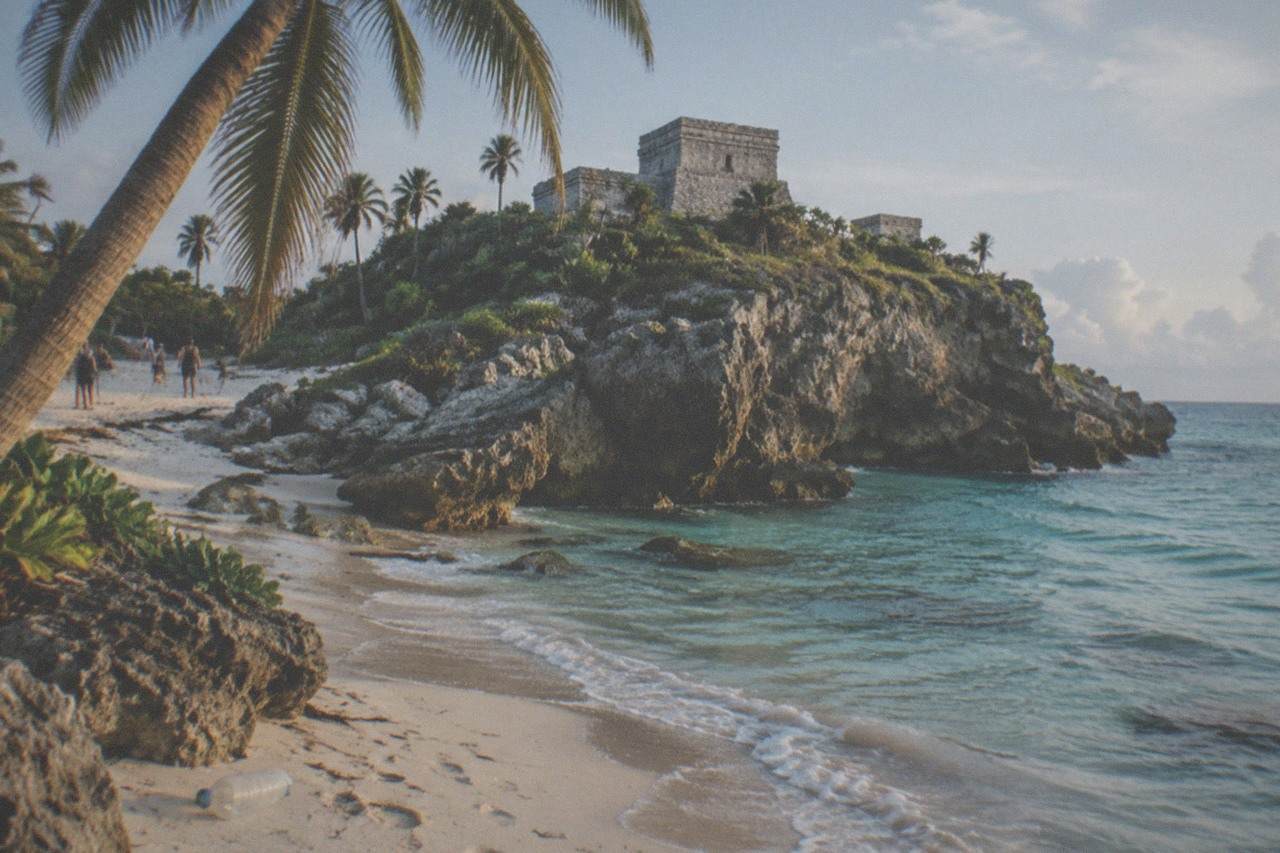
Tulum's own ruins sit in town, about 10-15 minutes from most hotels, with a unified 265 MXN foreigner fee. Coba is about 45 minutes by car, Chichen Itza about two hours, Muyil 20 to 25 minutes and Ek Balam 1.5 to 2 hours. Climbing is permitted at both Coba (Nohoch Mul) and Ek Balam (Acropolis).
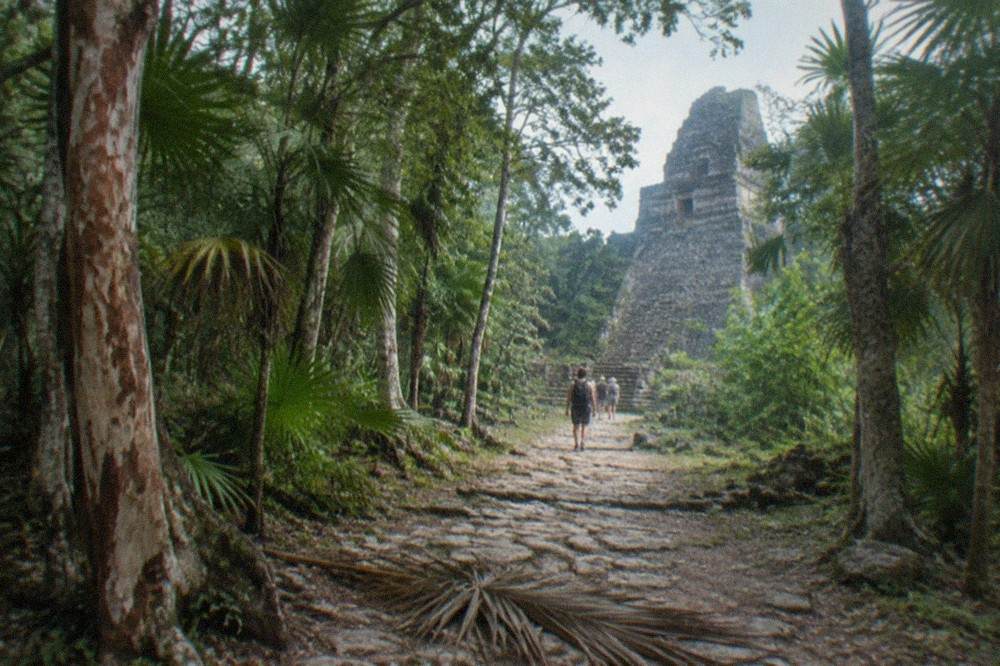
Tulum's walled city on the cliff is the famous one, but it is only the first of five Mayan sites you can reach from the same hotel bed. Coba hides a climbable pyramid in the jungle 45 minutes away. Chichen Itza, the region's only New Seven Wonders entry, is a two-hour drive north. Muyil sits quietly inside the Sian Ka'an biosphere 20 minutes south. Ek Balam, with its rope-assisted Acropolis climb, waits beyond Valladolid. Choosing between them is not about which is "best"; it is about which one matches your time, your budget and your tolerance for tour buses.
This comparison lays out the numbers side by side, then routes you into the deeper site-specific guides for whichever one fits. The figures below come from INAH's official pages and 2026-dated site reporting; fees are set by INAH and CULTUR and can change, so confirm on arrival.
Which Mayan Ruins Are Actually Near Tulum?
Five major Mayan sites sit within about two hours of Tulum: the Tulum archaeological zone itself, Coba roughly 45 minutes northwest by car, Chichen Itza about two hours away via the 180D toll road, Muyil just 20 to 25 minutes south on Highway 307, and Ek Balam about 1.5 to 2 hours away in neighboring Yucatan state. Each is a ticketed INAH-managed site, open daily, and each suits a different kind of day.
"Near" is doing a lot of work in that sentence, so here is the honest spread. Muyil is close enough for a half-day on a bicycle if you are ambitious. Coba is an easy morning or afternoon in a rental car or colectivo. Chichen Itza and Ek Balam are full-day commitments: roughly 153 km and about 121 to 130 km respectively, which is why nearly every visitor reaches them on an organized day trip rather than driving themselves.
The Tulum zone itself is the anchor. INAH's official page records the site as a Late Postclassic coastal trading port, walled on three landward sides, with Stela 1 carrying a date of 564 AD that hints at far earlier occupation. Most of what you see today, though, was built between roughly 1200 and 1550 AD. For the full site walkthrough, read the complete Tulum ruins site guide, which covers El Castillo, the Temple of the Frescoes and the beach cove in detail.
The other four sites split into two camps. Coba and Muyil stay inside Quintana Roo and feel like jungle excursions. Chichen Itza and Ek Balam cross into Yucatan state, which matters for two practical reasons: the toll road, and the fact that Yucatan sits at the US State Department's safer Level 1 advisory tier while Quintana Roo carries a Level 2 "Exercise Increased Caution" rating, the same tier as several Western European countries.
How Do The Five Sites Compare On Distance, Fees And Crowds?
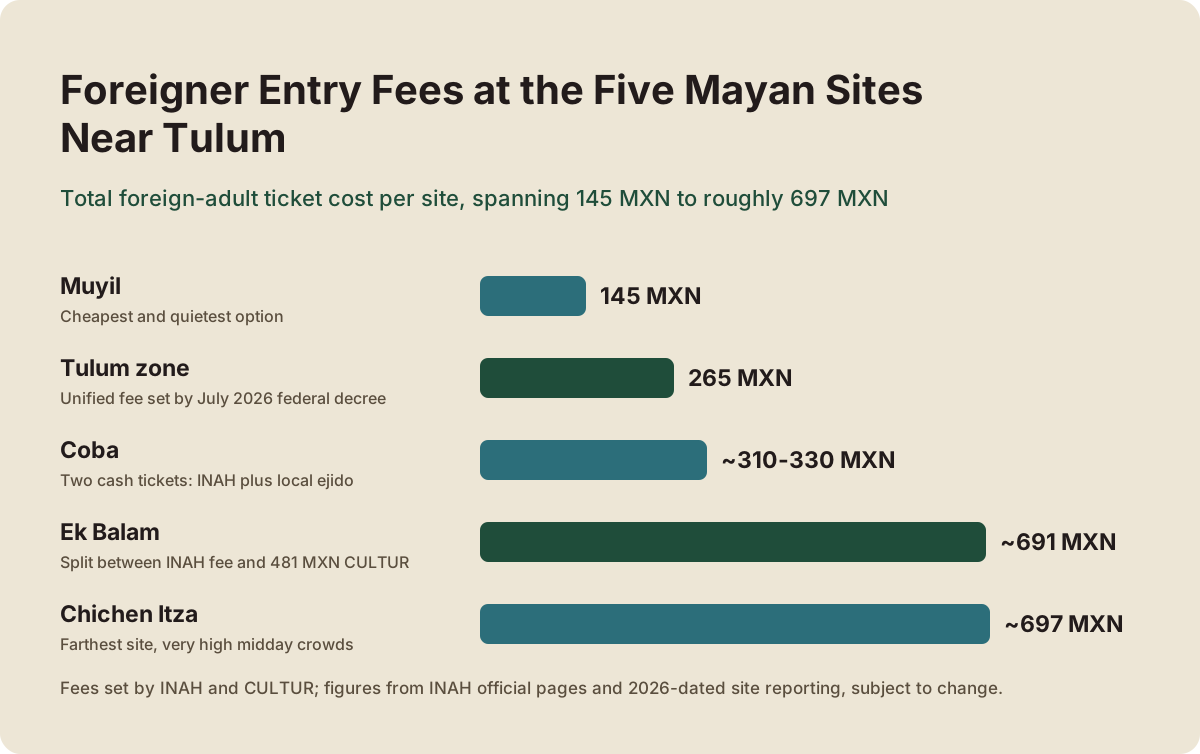
Tulum is closest and most crowded, Muyil is cheapest and quietest, Coba is the mid-distance jungle option and the only climbable pyramid, Chichen Itza is the farthest and the most expensive at roughly 697 MXN for foreign adults, and Ek Balam costs almost as much but receives only low hundreds of visitors a day. Drive times run from 20 minutes to about two hours, and fees span from 145 MXN to roughly 697 MXN.
Here is the full ranking table, using foreign-visitor gate fees in MXN-first form with approximate USD ranges. Fees are set by INAH and CULTUR and can change, confirm on arrival.
| Site | Distance from Tulum | Drive time | Foreigner entry fee | Crowd level | Climbing allowed |
|---|---|---|---|---|---|
| Tulum zone | In town, ~5 km from centro | 10-15 min | 265 MXN (~$13-15) | Highest, 10:00-15:00 peak | No |
| Muyil | ~18-25 km south | 20-25 min | 145 MXN (~$7-9) | Very low | No |
| Coba | ~42-48 km northwest | ~45 min | ~310-330 MXN total (~$17-19) | Moderate | Yes, Nohoch Mul |
| Ek Balam | ~121-130 km | 1.5-2 hours | ~691 MXN (~$35-40) | Low, hundreds daily | Yes, Acropolis |
| Chichen Itza | ~153 km | ~2 hours | ~697 MXN (~$35-40) | Very high midday | No |
A few notes on reading that table. Coba's fee is a two-ticket cash system: roughly 210 MXN to INAH plus 100 to 120 MXN to the local ejido, so bring cash for both windows. Chichen Itza's combined fee splits between the federal INAH portion and a Yucatan state CULTUR charge, and sources vary slightly across a 676 to 697 MXN range, so treat those as current reasonable figures rather than fixed prices. Ek Balam's total stacks an INAH fee of 210 MXN with a CULTUR fee of 481 MXN for foreigners.
Crowd levels deserve more nuance than a single column. Tulum received roughly 1.03 million visitors in 2025, its lowest non-pandemic figure since 2010, and even that is thousands of people a day funneling through one gate. Chichen Itza peaks brutally between 11:00 and 14:00 when buses from Cancun and Playa del Carmen arrive; arriving at the 8:00 opening buys you a calm window until about 10:00. Muyil and Ek Balam rarely feel busy at all, which is precisely why repeat visitors to the region keep returning to them.
If you want someone else to handle the driving and the fee windows, these three tours cover the spread well: the budget ruins-and-cenotes half day, the Coba small-group day, and the most-reviewed Chichen Itza trip on this site's list.
What Does Each Site Cost To Enter In Full?
The Tulum zone charges a unified 265 MXN for foreign adults, set by a July 2026 federal decree that folded the old INAH and Parque del Jaguar payments into one gate fee. Muyil charges 145 MXN, Coba runs roughly 310 to 330 MXN across two cash tickets, and the two Yucatan sites, Ek Balam and Chichen Itza, land near 691 and 697 MXN respectively for foreigners. Mexican nationals pay far less at every site.
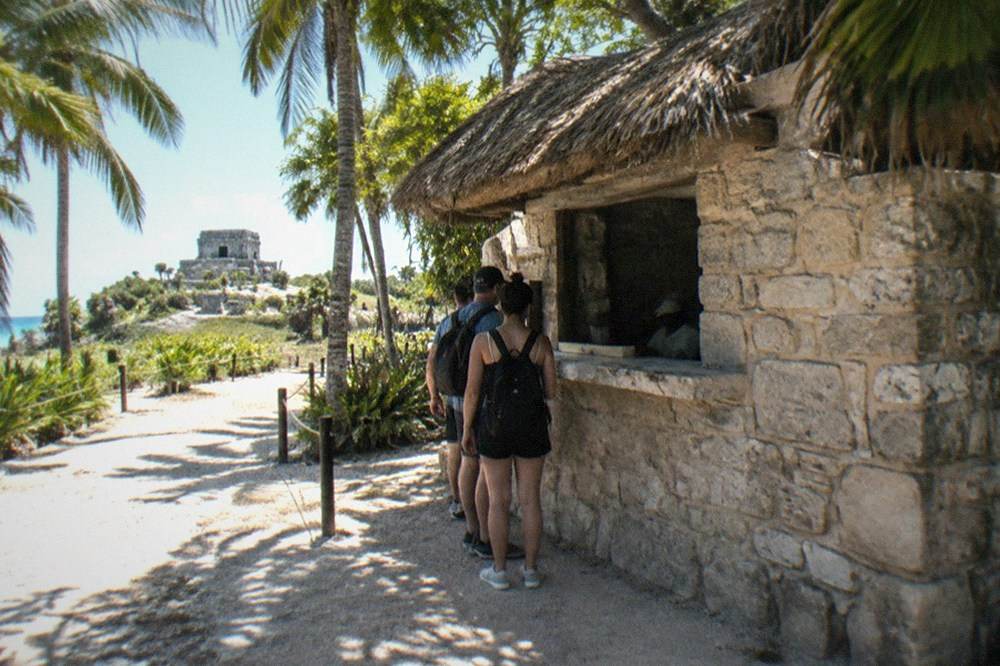
The Tulum fee is the one figure in this whole comparison with a confirmed official primary source: INAH's July 17, 2026 decree, published in the Diario Oficial de la Federación, set the unified structure at 80 MXN for nationals and residents and 265 MXN for foreigners, effective around July 27. Before that decree, early-2026 rates had climbed to roughly 210 MXN for foreigners, so if you read an older article quoting the higher pre-decree number, that figure is out of date. INAH's own Tulum archaeological zone page carries the current rates.
Sunday entry is free for Mexican nationals and foreign residents with valid ID at INAH-run sites, per INAH's standing Sunday policy. Foreign tourists still pay full price every day, and Sundays are among the busiest days at Tulum precisely because of the national free entry.
Here is the fee breakdown with the extras that catch people out.
| Site | INAH fee (foreigner) | State/local fee | Extras to budget | Parking |
|---|---|---|---|---|
| Tulum | 265 MXN unified | Included | ~20 MXN electric shuttle, optional | ~80-100 MXN |
| Muyil | 145 MXN | None | Lagoon float tours ~1,000 MXN, separate | Free |
| Coba | ~210 MXN | ~100-120 MXN ejido, cash | Bikes ~60-100 MXN, pedicab ~140-200 MXN | ~60-80 MXN |
| Ek Balam | 210 MXN | 481 MXN CULTUR | Parking ~100 MXN ejido fee | ~100 MXN |
| Chichen Itza | ~105 MXN | ~592 MXN CULTUR | Tolls and ~80 MXN parking if self-driving | ~80 MXN |
Two traps in that table. First, Coba is cash only for both tickets; card machines are not reliable there. Second, the Muyil lagoon float is genuinely wonderful but it is a separate paid add-on through the Sian Ka'an biosphere, never folded into the ruins entrance, so budget for it separately if the float is why you are going. The Muyil and Sian Ka'an guide covers how those boat tours work.
For tour buyers, the fee question changes shape. Some tours include entrance fees and some do not, and this site's lineup is explicit either way. The half-day ruins and two-cenotes combo from $36 does not include the ruins entrance; the private Coba and Tulum tour from $347.83 includes both. Reading the inclusions line on the tour page before booking saves an unpleasant surprise at the gate.
Which Ruin Site Suits Which Kind Of Traveler?
Short-stay visitors with one morning should pick the Tulum zone or Muyil; families who want a swim should pick a ruins-and-cenote combo; travelers whose priority is climbing a pyramid should pick Coba or Ek Balam; photographers chasing the iconic shot should pick Chichen Itza at opening; and anyone avoiding crowds entirely should pick Muyil or Ek Balam. The best site is a function of your days, not a fixed ranking.
The matching works like this.
| If you have... | Pick | Why |
|---|---|---|
| One morning only | Tulum zone | 10-15 minutes away, 1.5-3 hour visit, beach cove included |
| One full day | Chichen Itza day trip | The iconic site, ~2 hours each way, best done door to door |
| Kids in tow | Ruins-and-cenote combo | Swim stops break up the walking, transport and lunch handled |
| A pyramid climb on the list | Coba | Nohoch Mul reopened to climbers, the region's only major climbable pyramid |
| A crowd allergy | Muyil | Very low visitor numbers inside a UNESCO biosphere |
| A rental car and curiosity | Ek Balam | Climbable Acropolis, stucco friezes up close, quiet grounds |
| A tight budget | Muyil or a combo tour | 145 MXN gate, or a $36 combo with transport |
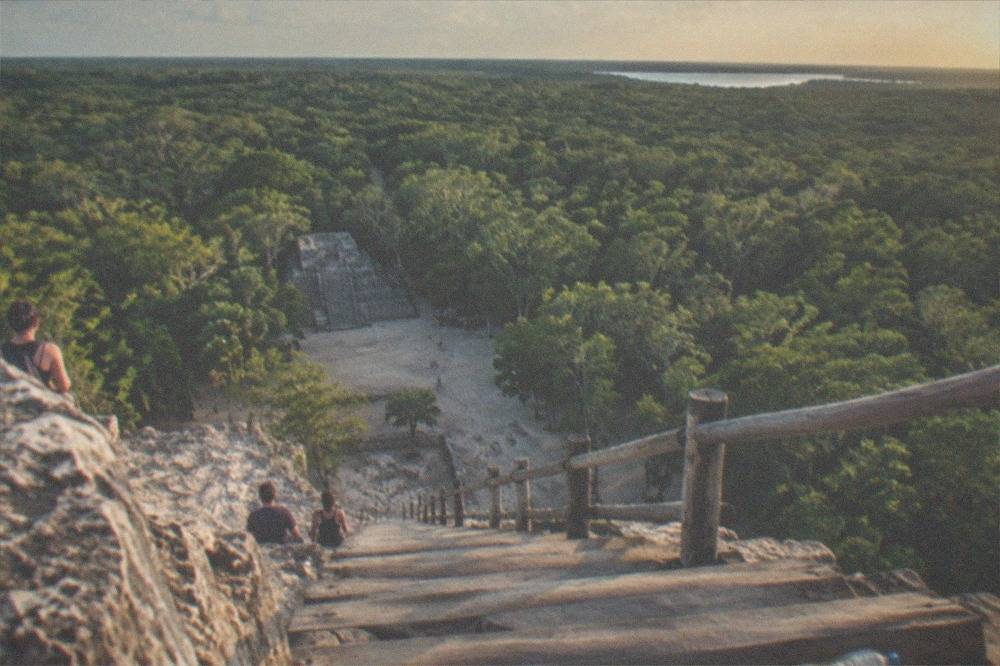
The pyramid-climb row deserves emphasis, because it is the single most common mismatch between what travelers expect and what the sites allow. Coba's Nohoch Mul reopened to climbers around December 8, 2025 after roughly six years closed, using a new wooden staircase over the original stone steps, with small groups of 14 to 15 at a time, an 8:00 to 15:30 climbing window and about 15 minutes at the summit. Reporting on the reopening is consistent on those rules, and closed-toe shoes with grip are required. The Coba ruins guide covers the full logistics.
Ek Balam offers the other climb: the Acropolis, about 43 meters tall, via steep stone steps with a rope assist. It is not an easy walk-up, and the site says so plainly. A new western section of the Grand Acropolis opened in 2026 with small-group timed access. The Ek Balam from Tulum guide has the details.
Wondering whether to stack two sites in one day? That is exactly what the Coba small-group tour is built for: it pairs the Tulum zone with Coba, Multun Ha cenote and the Mayan museum in a single 10-hour day from $109, with air-conditioned minivan transport and the Coba and cenote entrances included. Note the Tulum entrance is extra on that one.
Can You Climb The Pyramids At Any Of These Sites?
Only two of the five sites permit climbing: Coba, on the Nohoch Mul pyramid via a regulated wooden staircase, and Ek Balam, on the Acropolis via steep rope-assisted steps. Tulum's structures, Chichen Itza's El Castillo and every structure at Muyil are closed to climbing, and the Chichen Itza ban has been fully enforced since 2006.
The contrast between the two big pyramids is the story most travelers miss. El Castillo at Chichen Itza, the Pyramid of Kukulkan, has been climb-banned since 2006 following a fatal accident and to prevent erosion of the stone steps. Barriers keep visitors well back from the base, and the interior, including the Red Jaguar Throne, is closed. There is no reopening, no exception and no quiet side stair; the site's rules page is unambiguous. If climbing a pyramid is the item on your list, Chichen Itza cannot deliver it.
Coba can, and that is precisely why its December 2025 reopening matters so much to the region. Nohoch Mul stands about 42 meters tall, the tallest Maya pyramid structure in the Yucatan, and for roughly six years it was fenced off entirely. Today the climb runs on the new wooden staircase with the group-size and time limits described above. Ek Balam's Acropolis is the other legal climb, and its reward is different in kind: up close, the stucco friezes and the winged figures on the facade are among the best-preserved decorative work you can stand next to anywhere in the Yucatan.
Tulum and Muyil are strict. At both sites you stay on marked paths and view the structures from the ground; the Tulum zone's buildings sit on a cliff edge, which is reason enough for the rule. For the full story of why these bans exist and how they came to be, read why it is forbidden to climb the Mayan pyramids.
| Site | Structure | Climb status | Rules if climbable |
|---|---|---|---|
| Tulum | All structures | Not permitted | Marked paths only |
| Muyil | All structures | Not permitted | Marked paths only |
| Coba | Nohoch Mul | Permitted since Dec 2025 | Wooden staircase, 14-15 per group, 8:00-15:30, ~15 min summit, closed-toe shoes |
| Ek Balam | Acropolis/El Trono | Permitted | Steep stone steps, rope assist |
| Chichen Itza | El Castillo and all others | Banned since 2006 | Barriers at a distance, interior closed |
How Do You Get To Each Site From Tulum?
The Tulum zone is reached by colectivo van, taxi or a short drive from town; Muyil needs a car, taxi or tour since colectivos do not serve it directly; Coba is reachable by colectivo or a 45-minute drive; and Chichen Itza and Ek Balam are practical only by rental car, ADO bus to Valladolid or an organized day trip with hotel pickup. Transport choice matters more than at most destinations.
For the Tulum zone itself, colectivos from Tulum Pueblo run every 10 to 15 minutes toward the highway stop near the ruins for roughly 20 to 30 MXN per person, and taxis run about 150 to 200 MXN one way. ADO buses serve the Pueblo terminal in town, not the ruins gate, so bus arrivals still need the last leg. The getting to the Tulum ruins guide covers every option including parking at the Parque del Jaguar lot and the walk or shuttle from there.
Muyil is the awkward one without wheels. It sits at Km 208 on Highway 307, 20 to 25 minutes south, with free parking, but public transport is thin. Most visitors either drive, take a taxi or book one of the Muyil tours from Tulum, which include hotel pickup; the most-reviewed Muyil tour on this list runs from $169 with Tulum hotel pickup and drop-off in an air-conditioned minivan.
Coba works by colectivo from Tulum, though the schedule is looser than the ruins route, and the drive is roughly 45 minutes. Once inside, the site is huge, with structure groups 1 to 2 km apart along jungle paths, so budget for bike rental at roughly 60 to 100 MXN or a pedicab at 140 to 200 MXN for two.
Chichen Itza and Ek Balam are day-trip territory. The drive to Chichen Itza is about 153 km via the 180D toll road, taking around two hours; tolls and parking near 80 MXN add up, and the logistics are exactly why organized tours dominate. Every Chichen Itza tour on this site includes Tulum hotel pickup, from the $90 budget day trip to the $214 small-group trip with cenote and Valladolid, which carries a 4.9 rating across 2,207 reviews. The Chichen Itza from Tulum guide compares those options in depth.
Is It Safe To Visit The Ruins Around Tulum?
Yes, the ruin sites themselves are generally safe: they are ticketed, patrolled, daytime-only attractions with security presence at the gates. Quintana Roo carries a US State Department Level 2 "Exercise Increased Caution" advisory, the same tier as several Western European countries, and the advisory's cautions concern after-dark downtown areas, not the archaeological zones. Yucatan state, home to Chichen Itza and Ek Balam, sits at Level 1.
That is the honest framing, without spin in either direction. The official Mexico travel advisory flags crime risk in Quintana Roo and urges vigilance after dark in downtown areas of Tulum, Cancun and Playa del Carmen, while recommending well-lit tourist zones. Local reporting through 2025 and 2026 records a sharp decline in Tulum municipality homicides, alongside isolated incidents such as a September 2026 highway shooting near Xpu-Ha, well outside central Tulum and the tourist zones. Tourist-targeted violence remains rare.
The practical read for a ruins-focused trip: your exposure window is daytime, inside patrolled sites, on scheduled transport. National Guard elements and metal detectors have been reported at the Tulum archaeological zone access. Standard precautions apply in town after dark, as they would in any city. For the fuller treatment, read is there a cartel presence in Tulum.
Season matters as much as security for planning. The dry season, roughly November through April, brings lower humidity and less rain; December through March is the most reliable window with daytime highs around 28 to 30 degrees. Rainy and hurricane season runs June through November with peak risk in September and October, bringing afternoon storms and occasional disruption, though cenotes and ruins remain open year-round. Sargassum seaweed affects beaches, not the ruins.
Should You Combine Sites Or Visit One Deeply?
Combining works well for Tulum plus Coba or Tulum plus a cenote, both doable in a half or full day from one hotel base. Combining Chichen Itza with anything except a cenote stop and Valladolid is a mistake; the two-hour drive each way eats the day. The strongest strategy for a three-night stay is one close site, one mid-distance site and one organized day trip, rather than two far sites back to back.
The Tulum-plus-cenote pairing is the region's most popular product for good reason: the ruins visit runs 1.5 to 3 hours, a swim cools everyone down, and the whole thing fits before lunch. The half-day combo listed here does exactly that, pairing the guided Tulum ruins visit with swims at two cenotes, with hotel pickup and drop-off, water, snacks, life vest and locker included, carrying a 4.4 rating across 1,166 reviews. The ruins entrance fee of 265 MXN (about $13-15) per foreign adult is extra, paid at the gate.
Tulum plus Coba is the other natural pairing, and the small-group tour that strings them together with Multun Ha cenote and the Mayan museum runs 10 hours from $109, rated 4.5 across 774 reviews. If you would rather move at your own pace, the private Coba and Tulum option from Cancun includes both entrances, buffet lunch and private transport in its 9 to 11 hours, at 5.0 from 27 reviews.
For the Chichen Itza day, resist stacking. The math is unforgiving: two hours out, two hours back, and the site itself deserves three to four hours at minimum, which is why the Chichen Itza day trip planning guide recommends one site, one cenote and one Valladolid stop as the ceiling for a single day. The small-group trip with cenote and Valladolid, from $214, is the most-reviewed Chichen Itza tour here at 4.9 across 2,207 reviews, with Tulum hotel pickup and lunch included.
One honest caveat on ratings: the lowest-rated tour on this list is a Chichen Itza day trip at 4.0 from 293 reviews. It stays on the site because it is real and bookable, but a 4.0 across 293 reviews tells you something, and the From Tulum: Chichen Itza, Cenote & Valladolid Tour at 4.6 from 377 reviews is the better value pick in the same family.
What Is The Best Overall Pick For Your Days?
For one day in Tulum, visit the Tulum zone at opening and add a cenote. For two days, add Coba and its climbable pyramid. For three or more days, add one organized Chichen Itza or Ek Balam day trip, ideally on separate days with a rest day between. Muyil slots in anywhere as the quiet half-day. Match the site to the day, not the other way around.
That sequencing reflects drive times more than rankings. Back-to-back long days on toll roads with 8:00 departures wear families down fast, and the difference between a good trip and a great one is usually a beach afternoon inserted between the big outings. Muyil is the perfect buffer day: 20 minutes away, 145 MXN to enter, almost nobody there, and an optional lagoon float if the group still has energy.
Whatever you choose, book the far sites early. Chichen Itza day trips from Tulum sell out in high season because the pickup windows are fixed, and the free-cancellation terms on most listings mean locking a date costs nothing if plans shift. Tulum Ruins Tours keeps the full lineup with live prices, so you can compare inclusions side by side before committing.
For a wider view of the Maya world beyond this coast, the Mayan ruins of Mexico overview places these five sites in their regional context.
These are the three tours that best cover the spread, whichever sites you settle on.
Common Questions About Mayan Ruins Near Tulum
Which Mayan ruin is the best to visit?
There is no single best. Chichen Itza is the most iconic and the most expensive to enter; Coba and Ek Balam are the two major sites with a climbable pyramid; Tulum's zone is the closest and the only one on the Caribbean; Muyil and Ek Balam are the quiet choices. Match the site to your available days and tolerance for crowds.
How much does it cost to enter the Tulum ruins?
Foreign adults pay a unified 265 MXN, roughly $13 to $15, set by a July 2026 federal decree that covers both the INAH zone and the Parque del Jaguar access in one gate fee. Mexican nationals and residents pay 80 MXN. Fees are set by INAH and can change, confirm on arrival.
Are the Coba ruins worth seeing?
Yes, if you value jungle atmosphere and the pyramid climb. Coba's Nohoch Mul reopened to climbers around December 2025 with a wooden staircase, group limits and set climbing hours. The site is spread out, so budget for bike or pedicab rental.
Can you still walk up Coba ruins?
Yes. Nohoch Mul climbing reopened around December 8, 2025 after roughly six years closed. Access uses a new wooden staircase, small groups of 14 to 15 at a time, a climbing window of roughly 8:00 to 15:30, about 15 minutes at the summit, and closed-toe shoes with grip are required.
Why can't you go inside Chichen Itza?
Climbing El Castillo has been banned since 2006, after a fatal accident and to prevent erosion of the stone steps. The ban is fully enforced in 2026, barriers keep visitors back from the base, and the interior, including the Red Jaguar Throne, remains closed. Other structures at the site are also off-limits.
Is Ek Balam worth visiting?
For most travelers, yes. It receives only low hundreds of visitors a day, its Acropolis is climbable via steep rope-assisted steps, and the preserved stucco friezes near the summit are exceptional. The foreigner fee totals roughly 691 MXN and the drive from Tulum takes 1.5 to 2 hours.