Tulum Ruins Mexico: The Complete Site Guide
The walled Maya city of Tulum sits directly on a Caribbean cliff, the only major Maya archaeological site built by the sea. This guide covers its history, the structures you actually walk past, the current unified entrance fee, and every way to visit, from a $18 guided walk to full-day ruins-plus-cenote combinations.
Short answer
Tulum's archaeological zone is a Late Postclassic walled trading port, open daily 8:00-17:00, last entry 15:30. The unified gate fee is 80 MXN for nationals and residents, 265 MXN (roughly $13-15) for foreign visitors, covering both the INAH zone and the Parque del Jaguar access. Most visits run 1.5 to 3 hours.
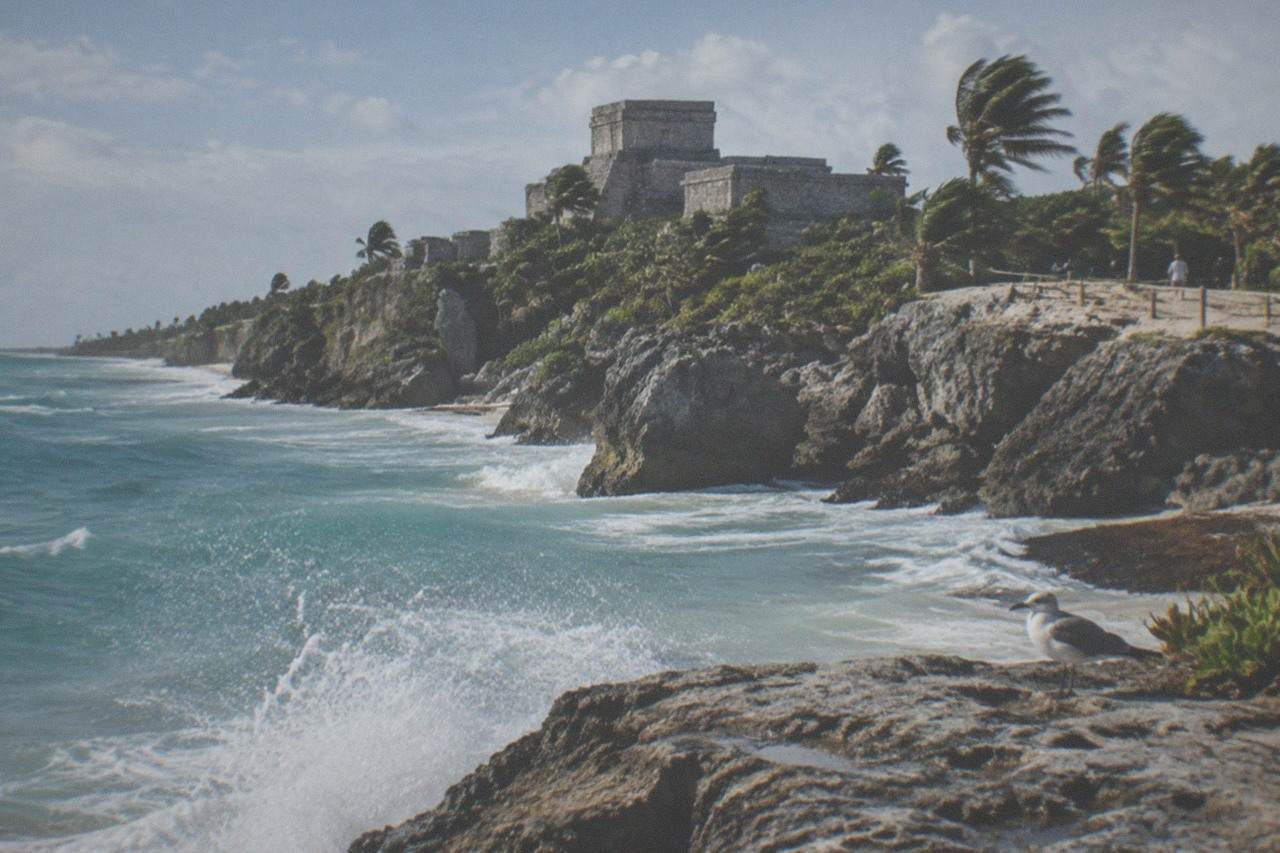
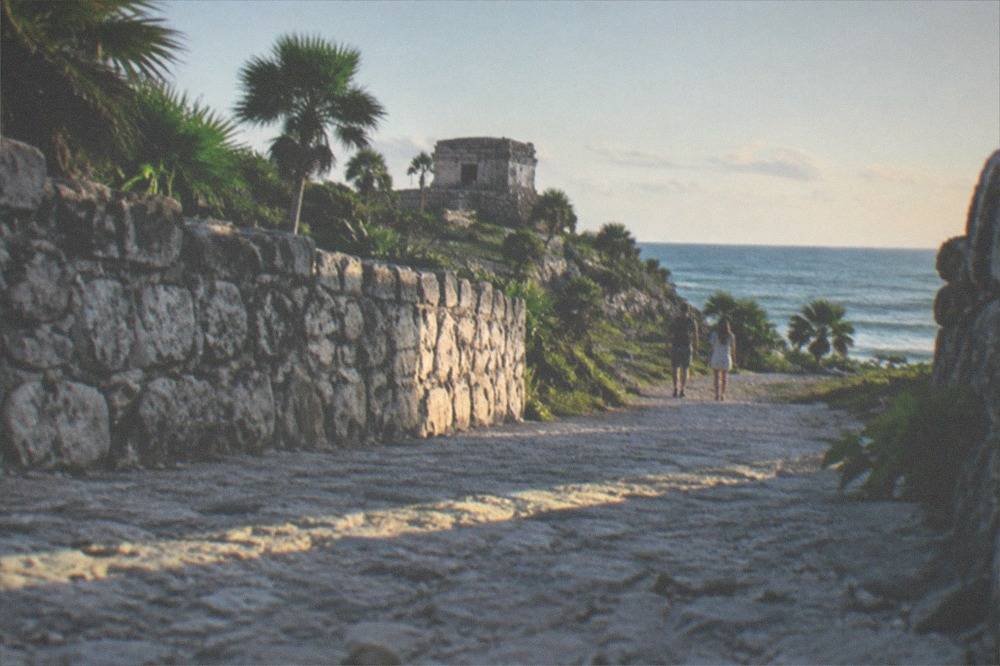
The Tulum archaeological zone is the only major Maya city built directly on a Caribbean cliff, and its most famous photograph, El Castillo rising over turquoise water, is not a camera trick. The structure really does stand about 7.5 meters tall on a roughly 12-meter cliff face, with a protected cove and a reef gap below it. INAH's own record for the site notes a carved stone, Stela 1, bearing a date of 564 AD, even though nearly everything visible today was built centuries later, between roughly 1200 and 1550 AD, when Tulum was a working trading port rather than a ceremonial center in the jungle.
That distinction shapes everything about a visit. Tulum is compact, coastal, hot and exposed, nothing like the sprawling inland sites at Coba or Chichen Itza. You can walk the whole zone in under two hours, but the setting, the wall, the sea and the story of a port that outlived Spanish contact by decades, rewards a slower loop and ideally a guide. This guide from Tulum Ruins Tours covers the history, the structures, the current fee structure after the July 2026 federal decree, and the honest decision between going alone and booking one of the tours listed here.
What Are The Tulum Ruins And Why Were They Built Here?
Tulum was a Late Postclassic Maya coastal city, likely called Zamá ("dawn") before the colonial name "Tulum" ("wall") stuck, and it functioned as a trading port controlling a reef gap and landing beach on the Caribbean coast of what is now Quintana Roo, Mexico. Most of its standing architecture dates to roughly 1200-1550 AD, making it one of the last great Maya cities still occupied at Spanish contact. Juan de Grijalva's 1518 expedition sailed past it and recorded a large walled settlement with painted buildings, a comparison chroniclers drew with Seville. The site then persisted for roughly 70 more years after contact before disease and conquest emptied it; by 1579 Spanish records already described it as ruins.
The placement was the point. Tulum sat on elevated ground between the provinces of Cochuah and Cozumel, with maritime access through a gap in the offshore reef, and it served as the coastal port for inland Coba. Goods moving through it included cotton, cacao, obsidian from as far away as Guatemala, jade and copper items, tied into the trade networks of Mayapán and Chontal Maya traders after about 1250 AD. The wall that gives the site its name encloses it on three landward sides, averaging 3 to 5 meters high and up to 8 meters thick, with the sea cliff serving as the eastern boundary in an unstable Postclassic era when a defensible port was worth building.
The population picture surprises most visitors. The walled core likely housed only several hundred people, with most residents living outside the wall. The broader Tulum-Tancah region may have supported up to about 15,000 inhabitants around the time of contact. If you want the deeper rundown of every named structure and era, the companion piece what the Mayan ruins in Tulum actually are walks the site group by group.
What Do You Actually See Inside The Zone?
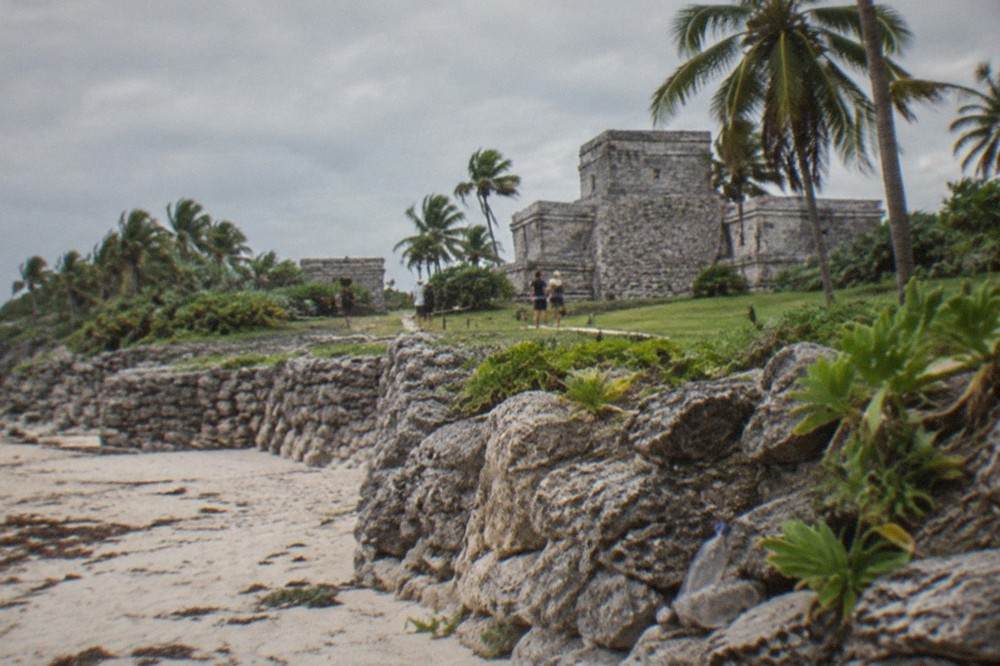
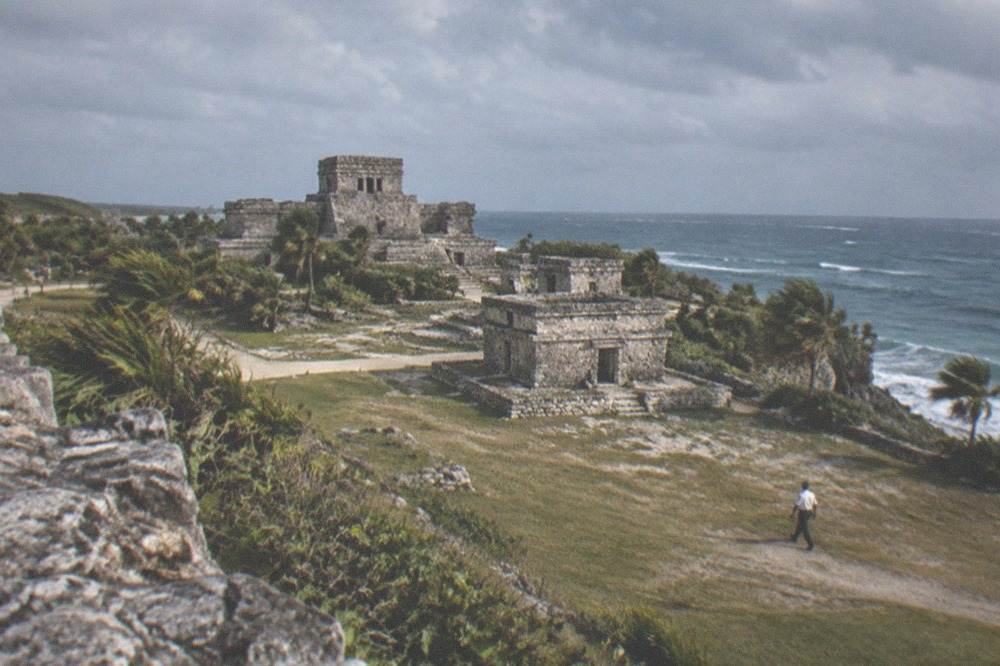
Inside the wall you walk past El Castillo, the site's tallest temple-pyramid on its cliff, the two-story Temple of the Frescoes with faded murals and a diving-god stucco relief, the Temple of the Descending God, and a handful of smaller platforms, all on a loop of maybe a kilometer with the Caribbean below the whole way. The zone is small. That is not a complaint, it is the design: a compact ceremonial and administrative core with the sea doing the work of a fourth wall. INAH restricts entry to marked paths and viewing areas, and climbing any structure at Tulum is not permitted, so you experience the buildings as framed views rather than as things you touch.
El Castillo is the anchor. Built in phases with Toltec-influenced elements, including plumed-serpent columns, it likely served a double role as temple and navigation beacon, its windows and alignments helping canoes steer through the reef gap to the beach landing below. The Temple of the Frescoes is the detail-rewarding stop: a two-story building that partly worked as a solar observatory, carrying now-faded murals in the Mixteca-Puebla style, Chac masks, and stucco reliefs of the descending god, painted in red, blue and yellow with black outlines. The Temple of the Descending God takes its name from the winged figure diving above its doorway, read variously as the bee god, Venus, or the setting sun, a motif that repeats elsewhere on the site.
| Structure | What it is | What to look for |
|---|---|---|
| El Castillo | Tallest temple-pyramid, ~7.5 m on a ~12 m cliff | Plumed-serpent columns, the beacon story, the cove below |
| Temple of the Frescoes | Two-story observatory and mural building | Faded Mixteca-Puebla murals, Chac masks, diving-god relief |
| Temple of the Descending God | Small temple on the central row | Winged descending figure above the western doorway |
| The wall | Fortification on three landward sides | 3-5 m high, up to 8 m thick, sea cliff as the fourth side |
| Casa del Cenote | Named structure inside the zone | A building, not a swimmable cenote |
| Playa Ruinas | Protected cove below El Castillo | Wooden staircase down, swimming possible |
Two practical notes inside the gate. Casa del Cenote is a named structure within the zone, not a swim spot: there is no swimmable cenote inside the archaeological zone, and the cenotes people pair with Tulum sit outside it, reached by road. There is, however, real beach access: Playa Ruinas, a small protected cove below El Castillo, reached by a wooden staircase, and swimming there is possible when conditions allow. Bring a suit if you want it; the walk down and back is part of why most visits run longer than people expect.
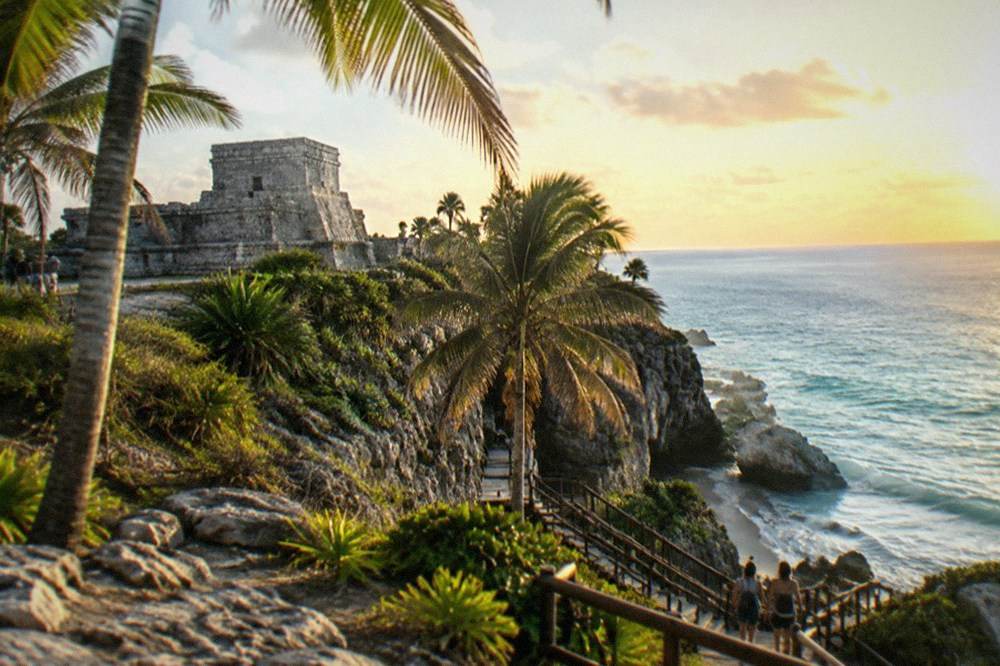
Deciding how much explanation you want at those three structures is the real fork in a Tulum visit, and the tours collected on this site split cleanly along that line. These three options frame the range.
The cheapest headline on this list is the tulum-archaeological-zone-guided-walking-tour, a 1.15-hour guided walk from $18, rated 4.9 across 109 reviews, with beach access at Parque del Jaguar and the mandatory INAH entrance fee plus the park co-fee collected on arrival. At the other end of the same family, the tulum-ruins-tour-private-half-day runs 4 hours, rated 4.9 across 239 reviews, with private guiding, air-conditioned transport, water and all fees included. The cenote-combo option in between, from $36, stretches the day to 6 hours and adds two cenote swims, which suits travelers who want the ruins explained and then want to get in the water.
What Does It Cost To Enter, And What Are The Hours?
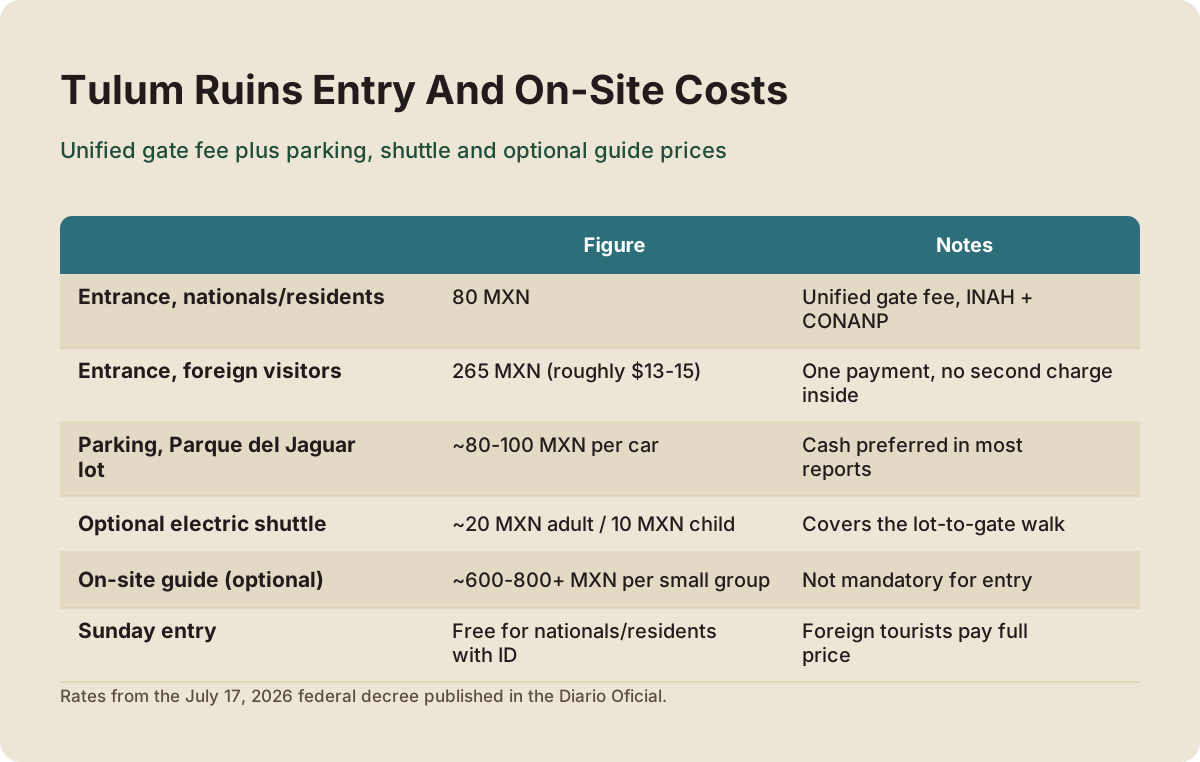
The unified entrance fee is 80 MXN for Mexican nationals and residents and 265 MXN (roughly $13-15) for foreign visitors, one payment at the gate covering both the INAH archaeological zone and the CONANP/Parque del Jaguar access, with no second payment inside. The zone is open daily 8:00 to 17:00, last entry 15:30, with no weekly closure. These rates come from a July 17, 2026 federal decree published in the Diario Oficial de la Federación, which unified and reduced the earlier structure, and INAH's official page for the zone carries the current figures. Fees are set by INAH and CULTUR and can change, so confirm on arrival.
Two access details catch people off guard. Parking runs about 80-100 MXN per car at the Parque del Jaguar lot at the highway entrance, and from the lot to the ruins entrance is roughly a 5-to-10-minute flat walk, with an optional electric shuttle at about 20 MXN per adult. Sunday entry is free for Mexican nationals and foreign residents with valid ID, per longstanding INAH policy, but foreign tourists still pay full price, and Sundays are among the busiest days precisely because of that free national entry. The official zone page is the primary reference: INAH's Tulum Archaeological Zone record.
| Item | Figure (MXN first) | Notes |
|---|---|---|
| Entrance, nationals/residents | 80 MXN | Unified gate fee, INAH + CONANP |
| Entrance, foreign visitors | 265 MXN (roughly $13-15) | One payment, no second charge inside |
| Parking, Parque del Jaguar lot | ~80-100 MXN per car | Cash preferred in most reports |
| Optional electric shuttle | ~20 MXN adult / 10 MXN child | Covers the lot-to-gate walk |
| On-site guide (optional) | ~600-800+ MXN per small group | Not mandatory for entry |
| Sunday entry | Free for nationals/residents with ID | Foreign tourists pay full price |
The fee history explains why numbers you read online disagree so wildly. In early January 2026 Tulum's general rate jumped to roughly 210 MXN, and reporting on that increase circulated widely before the July decree cut and unified the fee to the current 80/265 structure. An older guide quoting 210 MXN, or a newer one quoting the pre-2026 figure, is simply describing a different fee regime. If your budget question is the whole cost picture rather than the gate fee alone, how much it costs to enter the Tulum ruins breaks it down line by line.
Guided Tour Or Self-Guided: Which Route Fits You?
Go self-guided if you are comfortable reading a map and want the cheapest day, since entry plus colectivo transport can run under $20 per person; go guided if you want the murals, the diving god and the trading-port story explained, because Tulum's signage is thin and a guide is the difference between pretty views and an actual history. Guides are optional, not mandatory, at Tulum. On-site guides at the entrance cost roughly 600-800+ MXN per small group, or you can book a tour in advance that bundles the guide with transport and fees. The full decision framework, including the group-size and language trade-offs, lives in the site's guided versus self-guided comparison.
These three Tulum-only tours frame the guided choice honestly. The tulum-archaeological-zone-guided-walking-tour, from $18 and rated 4.9 across 109 reviews, is the budget anchor: a 1.15-hour guided walk with beach access at Parque del Jaguar, transport not included, mandatory entrance fees payable at the gate. It suits anyone already staying in Tulum who wants the explanation without the logistics.
For travelers who want the ruins plus a smoother ride, the tulum-ruins-tour-private-half-day from $159, rated 4.9 across 239 reviews, turns the same visit into a 4-hour private half-day with air-conditioned transport, bottled water, snacks and all fees included. And if you are staying in Cancun or the Riviera Maya rather than Tulum itself, the tulum-ruins-guided-tour-from-cancun-and-riviera-maya from $67, rated 4.8 across 502 reviews, adds about 2 hours at the site plus air-conditioned van transport and hotel pickup from Cancun and Riviera Maya hotels, with the entrance fee extra. State that departure plainly: it is a Cancun/Riviera Maya product, not a Tulum one.
If the budget walk sounds like the right shape for your day, the box below puts the booking question in one place.
Which Tour Category Should You Pick?
Route by what else you want in the day: Tulum-only tours ($18-$159) cover the zone itself, ruins-plus-cenote combos ($36-$250) add swimming, Coba combos add Nohoch Mul, the region's tallest climbable pyramid, and Chichen Itza day trips ($90-$214) trade the coast for the biggest name in Maya Mexico. The five categories on this site exist because Tulum's short visit length, most people spend 1.5 to 3 hours on site, makes it the natural anchor for a longer day. A routing table beats prose here.
| Category | Price range | Time | What it adds | Best for |
|---|---|---|---|---|
| Tulum-only tours | $18-$159 | 1.15-4 hours | Guiding, optional transport | Short visits, Tulum-based travelers |
| Ruins + cenote combos | $36-$250 | 4.5-8 hours | Swim stops, some with lunch | First-timers wanting the full day |
| Coba + Tulum combos | $61-$347.83 | 6-11 hours | Nohoch Mul climb, jungle site | Climbers, ruins enthusiasts |
| Muyil / Sian Ka'an | $169-$239 | 3-6 hours | Biosphere, lagoon floats | Nature over architecture |
| Chichen Itza day trips | $90-$214 | ~10-12 hours | The marquee site, cenote, lunch | Once-in-a-trip visitors |
Two honest notes on the combos. The riviera-maya-tulum-ruins-and-2-cenotes-half-day-tour, rated 4.4 across 1,166 reviews, is the category's volume leader: 6 hours with hotel pickup, guided Tulum ruins, and swims at two cenotes, with entrance fees of roughly 265 MXN per adult extra. Check the listing for the current price. The tulum-ruins-turtles-in-akumal-and-cenote-tour from $129, rated 4.9 across 2,114 reviews, is the most-reviewed ruins-plus-cenote product on this list and adds an Akumal turtle snorkel and lunch buffet over 8 hours. Both are real, bookable tours; the difference comes down to price, pace, and how much of your day you want filled.
If the climbing question is what pulls you toward a Coba combo, note the contrast before you book: Nohoch Mul at Coba reopened to climbers around December 2025 on a new wooden staircase with small-group access and a roughly 15-minute summit limit, while Tulum's structures are not open to climbing at all, and El Castillo at Chichen Itza has been climb-banned since 2006. The site's Coba and Tulum comparison works through that trade-off in full.
When Should You Go And How Long Should You Stay?
Arrive at the 8:00 opening or in the late afternoon, avoid 10:00-15:00 when buses and free-Sunday crowds peak, and budget 1.5 to 3 hours on site, longer if you want beach time at Playa Ruinas. The dry season, roughly November to April, is the comfortable window: lower humidity, less rain, daytime highs around 28-30°C. Rainy and hurricane season runs June to November with peak risk in September and October, bringing afternoon showers and possible disruption, though the ruins stay visitable year-round and sargassum mainly affects beaches rather than the site itself.
The crowd mechanics at Tulum are unusually predictable. Mid-morning to mid-afternoon is when tour buses from Cancun and the cruise ports stack up, and Sundays add the free national entry crowd. An 8:00 arrival buys you a calm window, cooler walking and photographs without a hundred strangers in them; the last-entry cutoff of 15:30 makes the late-afternoon play tighter but still workable in the dry season. The site's dedicated hours and best-time guide has the seasonal detail.
What you carry matters more than when you come. There is no verified sunscreen or dress-code ban specific to the ruins, but the general guidance is real: reef-safe sunscreen if you plan to swim at the cove, closed walking shoes for the paths and the beach staircase, a hat and more water than you think you need, since the site is exposed with little shade. The what to bring for the Tulum ruins guide has the full packing list.
Is The Site Safe, And What About The State Department Advisory?
Quintana Roo, the state containing Tulum, carries a US State Department Level 2 "Exercise Increased Caution" advisory, the same tier as several Western European destinations, and the archaeological zone itself is a ticketed, patrolled, daytime-only site described as generally safe during operating hours. The advisory flags crime risk and urges caution after dark in downtown areas of Tulum, Cancun and Playa del Carmen; it does not single out ruins sites. Local reporting through 2025 and 2026 records a sharp decline in Tulum municipality homicides, alongside isolated incidents away from tourist zones. The official advisory page is the source to read directly: the US State Department's Mexico travel advisory.
For a ruins visit the practical read is simple. You are going to a gated site, in daylight, with security presence including National Guard elements and metal-detector screening reported at the access, per local reporting on zone access. Standard precautions apply in town, not at the cliff. The site's honest safety breakdown, including the advisory tiers and what they do and do not mean for tourists, is in is there a cartel presence in Tulum.
How Do You Get To The Zone Without A Tour?
From Tulum town, colectivo vans run toward the ruins every 10-15 minutes for roughly 20-30 MXN per person, taxis cost about 150-200+ MXN one way, and ADO buses serve the Tulum Pueblo terminal rather than the ruins gate, so bus arrivals still need a colectivo or taxi for the last stretch. The zone sits at the highway end of town, and the Parque del Jaguar parking lot is at that highway entrance, with the 5-to-10-minute walk from lot to gate described above. The full transport breakdown, including the hotel-zone options and the walking route, is in the getting to the Tulum ruins guide.
The self-guided budget math is genuinely low. Colectivo plus the 265 MXN foreigner entry plus the walk puts a solo visit in the $15-20 range before food, which is why the guided question is about explanation rather than access. Nobody needs a tour to get in. The case for the tulum-ruins-tour-private-half-day, from $159 and rated 4.9 across 239 reviews, is comfort and completeness: private guide, air-conditioned transport, water, snacks and every fee handled in one booking over 4 hours.
One routing note for cruise passengers and Cancun-based travelers: the tulum-ruins-guided-tour-from-cancun-and-riviera-maya from $67, rated 4.8 across 502 reviews, departs Cancun and Riviera Maya hotels with pickup, gives about 2 hours at the site plus transport, and leaves the entrance fee extra. It is the middle path between the $18 walk and the $159 private half-day, and the Cancun/Riviera departure is the fact to check against your own hotel location before booking.
Common Questions About The Tulum Ruins Site
Are Tulum ruins worth visiting?
Yes for most travelers: it is the only major Maya site on a Caribbean cliff, compact enough for a half-day, and reachable from Tulum town for under $20 in transport and entry. The honest caveats are midday crowds and thin on-site signage, both of which early arrival or a guided walk largely solve. The full argument, including who should skip it, is in the site's are-tulum-ruins-worth-visiting breakdown.
How much does it cost to enter the Tulum ruins?
The unified gate fee is 80 MXN for Mexican nationals and residents and 265 MXN (roughly $13-15) for foreign visitors, one payment covering the INAH zone and Parque del Jaguar access. Parking runs about 80-100 MXN and the optional shuttle about 20 MXN per adult. Fees are set by INAH and CULTUR and can change, so confirm on arrival.
Can you climb the structures at the Tulum ruins?
No. Climbing is not permitted on any structure at Tulum, and INAH limits visitors to marked paths and viewing areas. If climbing a Maya pyramid is the goal, Coba's Nohoch Mul reopened to climbers around December 2025 on a wooden staircase with small-group access and a roughly 15-minute summit limit, and Ek Balam's Acropolis is climbable with a rope assist.
How long do you need at the Tulum ruins?
Most visits run 1.5 to 3 hours: a quick loop takes under two hours, and beach time at Playa Ruinas, reached by a wooden staircase below El Castillo, stretches it toward three. The last entry is 15:30 and the zone closes at 17:00, so a late-afternoon visit needs the timing to work.
Is there a cenote inside the Tulum ruins?
No. Casa del Cenote is a named structure within the zone, not a swim spot, and no swimmable cenote sits inside the archaeological zone. The cenotes people pair with Tulum, such as Gran Cenote and the stops on the combo tours, are outside the gate and reached separately by road.
What are the Mayan ruins in Tulum?
Tulum is one walled site, not several: a Late Postclassic coastal city whose visible structures, El Castillo, the Temple of the Frescoes, the Temple of the Descending God and the surrounding wall, date mostly to 1200-1550 AD. Stela 1 carries an earlier 564 AD date, hinting at Classic-period roots, but the city you walk through is a trading port of the final Maya centuries.
Whether you route the day through a $18 guided walk, a private half-day, or a combo that ends in a cenote, the site itself is the constant: a small, sea-walled port that was still alive when Europeans first sailed past it. Arrive at opening, carry water, and give the murals a guide, the rest of the routing is on this page.