Coba Ruins: The Complete Guide
Coba is the Maya site where you can still climb a pyramid, spread across jungle so wide that bikes are standard transport inside the gate. This guide covers the two-ticket fee system, the reopened Nohoch Mul climb and its rules, bike rental, hours, and how the tour options compare.
Short answer
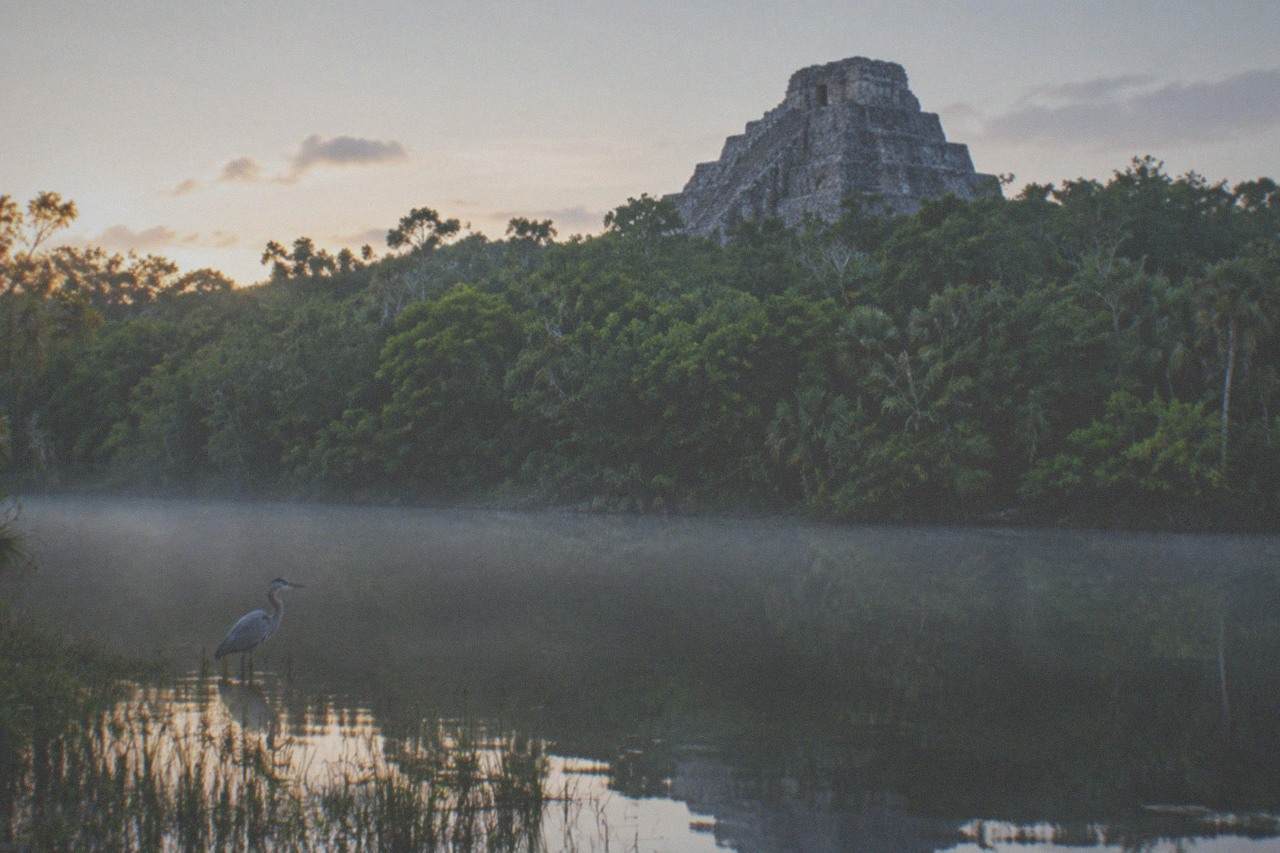
Coba sits about 45 minutes from Tulum and charges foreigners roughly 310-330 MXN total across two cash tickets, about $17-19 USD. Nohoch Mul, the tallest Maya pyramid in the Yucatan at 42 meters, reopened for climbing in December 2025 with a wooden staircase, small groups and a 15-minute summit limit. The site is open daily 8:00-17:00.
What Is Coba And Why Does It Feel Different From Other Ruins?
Coba is a vast jungle site built around shallow lakes, roughly 45 minutes northwest of Tulum, and it is the one major ruin in the region where climbing a pyramid is still allowed. It covers an estimated 70-80 square kilometers, with more than 5,000 mapped structures, most of them unexcavated and wrapped in vegetation. At its peak it may have housed close to 50,000 people.
That scale is the first thing that separates Coba from Tulum or Chichen Itza. Tulum is compact, coastal and heavily restored, a site you can walk end to end in under two hours. Chichen Itza is iconic and busy, its core squeezed into a few compact hectares of restored stone. Coba refuses that tidiness. The structure groups sit 1-2 kilometers apart, linked by sacbeob, the raised white limestone roads the Maya built across the jungle, and the paths between them run under real canopy. You hear birds more than you hear crowds.
The site grew around two lagoons, Lake Coba and Lake Macanxoc, which is unusual for a Maya city in this region and part of why the location mattered. Coba functioned as a hub: its sacbeob network runs outward toward sites far to the east, and it traded and fought with Chichen Itza for centuries before declining around the same period. Stelae recovered here carry some of the richest carved inscriptions in the northern lowlands, and several are sheltered under thatched ramadas near the main groups, which is a rare chance to read Maya history at face height rather than from a distance.
For most visitors the emotional core of the visit is Nohoch Mul, the 42-meter pyramid that is the tallest Maya structure in the Yucatan. After roughly six years closed, climbing reopened in December 2025, and that single fact has put Coba back on a lot of itineraries. If the climb is the reason you are considering the trip, the honest question of whether the site justifies the drive is covered in detail in are the Coba ruins worth seeing, and the climb rules get their own section below.
How Much Does It Cost To Enter The Coba Ruins?
Foreign visitors pay two separate cash tickets at Coba: an INAH federal fee of about 210 MXN and a local ejido or community fee of about 100-120 MXN, a total of roughly 310-330 MXN, about $17-19 USD. Mexican nationals and residents pay a discounted INAH rate of about 105 MXN and enter free on Sundays with valid ID. Fees are set by INAH and the local community and can change, so confirm on arrival.
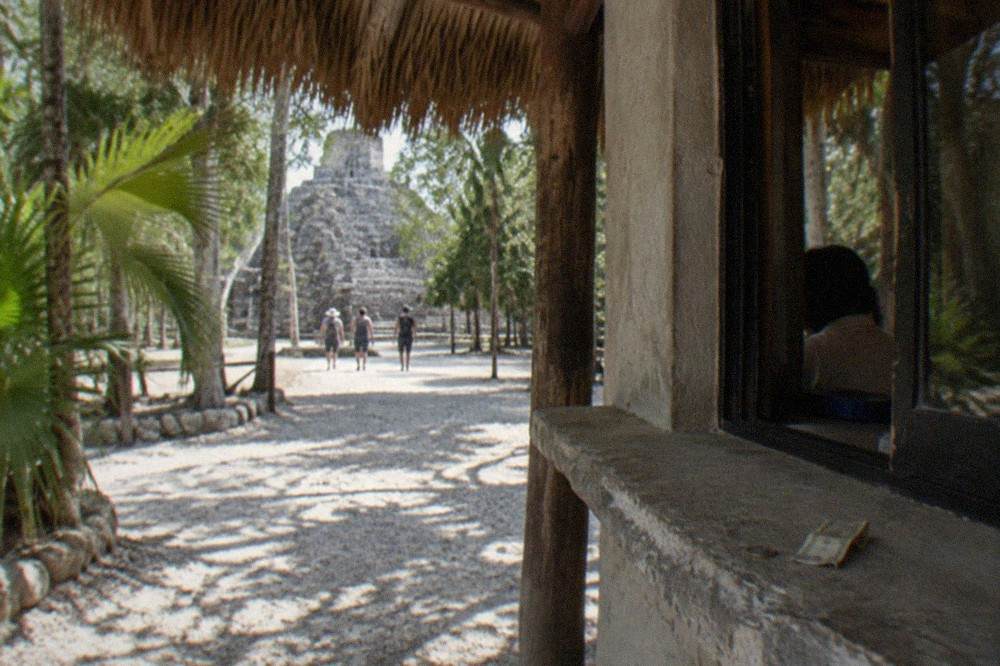
The two-ticket system trips people up more than any fee amount does. You pay the INAH portion at the federal window, then a second, smaller community payment at another point, and both windows are cash only. Cards are not reliable here, and the nearest ATM situation is thin, so bring pesos in cash, more than you think you need once you add parking, bikes and water. A foreign-visitor fee adjustment took effect around January 1, 2026, which is why figures you read in older guides may look lower than what you will find at the gate.
Parking runs about 60-80 MXN. If you bring a camera with a tripod or fly a media setup, a separate fee of around 63 MXN can apply, though a phone in your pocket draws no attention. None of these figures are printed on the list of bookable tours, and tour inclusions vary: some Coba day trips include the entrance fees and some leave them for you to pay at the gate, so read the inclusions on the tour page before assuming.
| Cost Item | Typical Amount | Notes |
|---|---|---|
| INAH federal fee, foreigners | ~210 MXN | Cash, first window |
| Local ejido fee, foreigners | ~100-120 MXN | Cash, second window |
| INAH fee, Mexican nationals/residents | ~105 MXN | Free Sundays with ID |
| Parking | ~60-80 MXN | Per vehicle |
| Bike rental inside site | ~60-100 MXN | Self-pedal, per bike |
| Tricycle taxi for two | ~140-200 MXN | Driver-pedaled round trip |
Fees are set by INAH and the local ejido and can change, confirm the current amounts on arrival. For a fuller treatment of ticket logistics across the region, including how Coba's cash system contrasts with Tulum's single unified gate fee, see the Tulum tickets and fees guide.
If you would rather have transport, a guide and the fee question handled in one booking, these three Coba-focused tours cover the range from budget group day trip to nature-reserve add-on:
Can You Still Climb The Nohoch Mul Pyramid?
Yes. Nohoch Mul reopened for climbing on or around December 8, 2025, after roughly six years closed, using a new wooden staircase built over the original stone steps. Access is regulated: small groups of about 14-15 people at a time, a climbing window that typically runs 8:00 to 15:30, a roughly 15-minute limit at the summit, and closed-toe shoes with grip required. It is currently the only major regional pyramid where climbing is permitted.
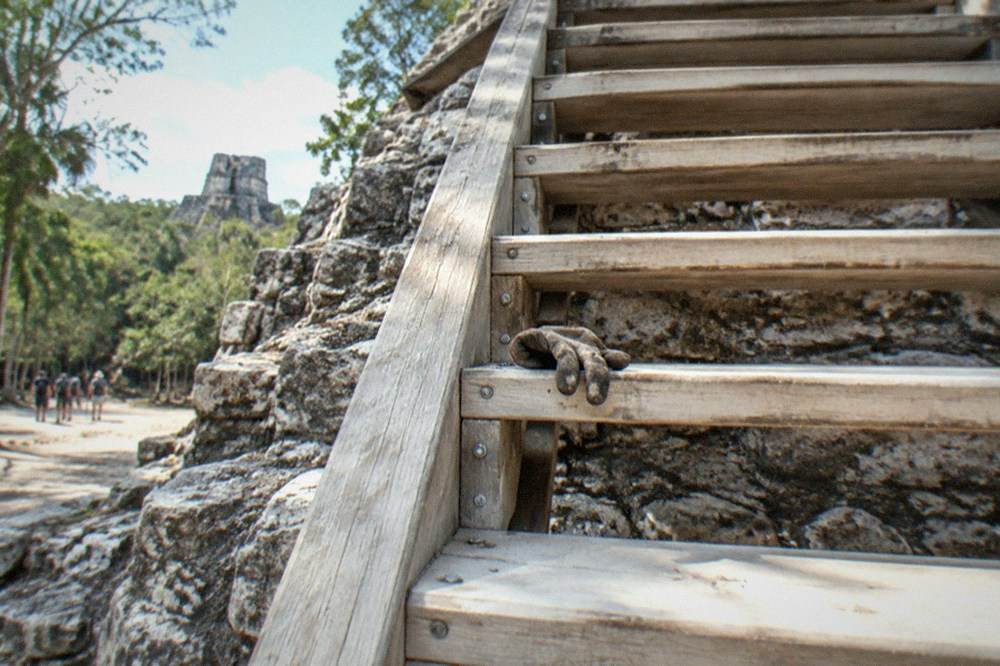
That last sentence deserves its weight. Chichen Itza banned climbing El Castillo in 2006 after a fatal accident and to stop erosion, and the ban is fully enforced, with barriers holding visitors well back from the structure. Tulum's buildings are roped off too. Coba is now the exception in the region, and the view from the top explains why people accept the queue: the canopy stretches flat to the horizon in every direction, with only a handful of excavated structures poking through. There is no other panorama like it on the Yucatan's tourist circuit.
The rules are not suggestions. The wooden staircase is steep, and the descent is where most people slow down; closed-toe shoes with real grip are required, not advised. The small-group system means you may wait for a batch to clear before your turn, and the 15-minute summit limit keeps the line moving. Arrive in the morning if the climb matters to you, because the climb cutoff around 15:30 arrives well before the site closes at 17:00, and afternoon heat on exposed stairs is punishing. The full story of the reopening, and the answer to the question most travelers search first, is in can you still climb the Coba ruins.
The small-group tour in that box is a 10-hour day, rated 4.5 across 774 reviews, that includes Coba and the Multun Ha cenote entrances in the price. Entrance fees vary by tour, so check what your specific listing covers. Booking it does not change the climb rules, you still need proper shoes, but it removes the transport and fee logistics from your morning.
Why Do You Need A Bike Or Tricycle Inside The Site?
Because the structure groups at Coba sit 1-2 kilometers or more apart along jungle paths, and walking the full circuit in heat is genuinely hard. Self-pedal bike rental runs about 60-100 MXN, and driver-pedaled tricycle taxis, sometimes called Mayan limos, run about 140-200 MXN for two people round trip. Rentals are strongly recommended over walking, and they are cash only.
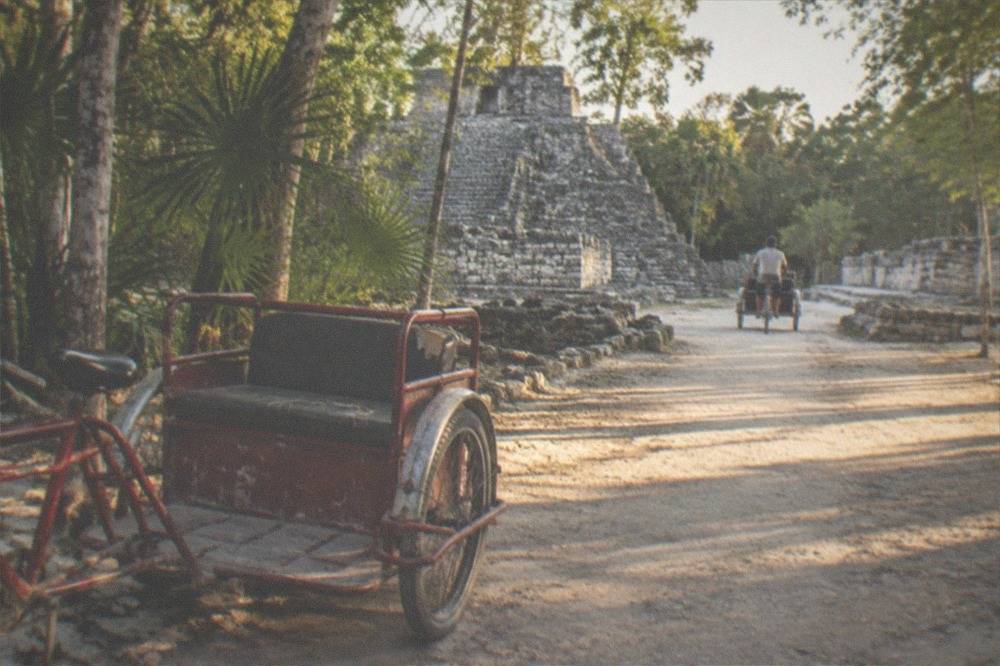
This is not a marketing upsell. The distance from the entrance to Nohoch Mul is a long, flat, shaded walk that most people underestimate, and the round trip plus the other groups adds kilometers in humidity that has broken plenty of confident hikers. The bikes are single-speed, functional rather than beautiful, and the paths are wide and flat enough that casual riders manage fine. The tricycle option suits anyone who would rather be pedaled, and the drivers often narrate as they go, which is a cheap bonus guide for a few hundred pesos.
Prices are posted at the rental area near the entrance. Pay in cash, take a photo of your bike's identifying tag if the attendant asks, and lock in a mental note of your turnaround time so you are not riding the last stretch as the site empties. If you arrive by tour van, some operators build a bike stop into the itinerary, but check the inclusions on the tour page rather than assuming, because this list shows bike rental is not universally bundled.
| Way Around The Site | Typical Cost | Best For |
|---|---|---|
| Walking | Free | Short visits to the closest groups only |
| Self-pedal bike | ~60-100 MXN | Most visitors, flexible pace |
| Tricycle taxi for two | ~140-200 MXN | Families, heat-avoiders, commentary |
What Are The Opening Hours And The Best Time To Arrive?
Coba is open daily from 8:00 to 17:00, with last entry around 16:00 and a pyramid-climb cutoff around 15:30. The best arrival time is at or just after 8:00, before the mid-morning heat and before the climbing queue at Nohoch Mul builds. Midday is the worst window for both temperature and crowds.
The climb cutoff is the number that ruins visits. Plenty of travelers arrive at 14:00 expecting a full afternoon and discover the staircase has stopped taking groups an hour and a half before the gates close. Work backward from 15:30 if the summit is your goal: you want to be at the pyramid's base by early afternoon at the latest, which means arriving at the site by late morning even on a slow day.
Early arrival also beats the tour buses. Groups from Cancun and the Riviera Maya tend to land mid-morning, and the entrance area, the bike rental line and the first structure groups all thicken at once. At 8:00 the paths are quiet, the shade is still cool by local standards, and the lake views through the trees look the way the brochures promise. The dry season, roughly November through April, is the comfortable window for this region generally; the rainy season brings afternoon showers and heavier humidity, though also thinner crowds and lower prices. The seasonal trade-offs are laid out in the Tulum hours and best time guide, which applies to Coba almost unchanged.
One more timing note: Coba is not a half-hour stop. Between the walk or ride between groups, the climb queue and the stelae ramadas, most visitors spend three to four hours on site. Plan the day around that, not around a quick photo stop.
How Does Coba Compare With Chichen Itza And Tulum?
Coba is far larger and less crowded than Chichen Itza, and it is the only one of the three where you can climb the main pyramid. Chichen Itza is the most restored and the most famous, Tulum is the smallest but the only one on the Caribbean, and Coba trades polish for jungle immersion and a summit view. Most travelers who visit Coba rate the experience as quieter and more physical.
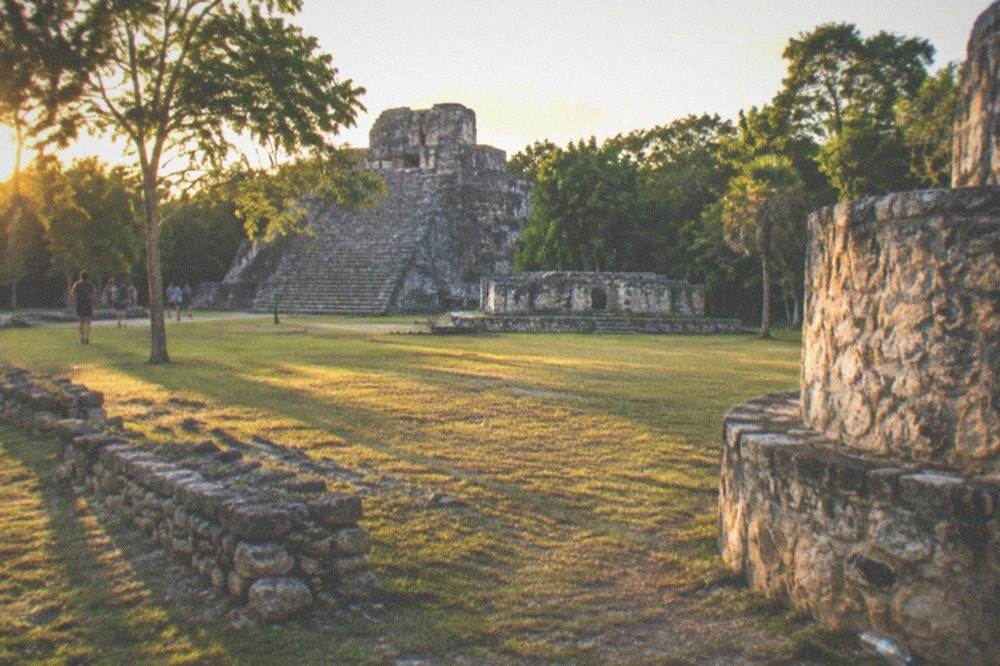
The honest framing is that these three sites answer different questions. Chichen Itza answers "what is the most impressive Maya city I can see," and it delivers, at the cost of heavy crowds and a climbing ban in force since 2006. Tulum answers "what is the most scenic ruin with a beach attached," and its clifftop setting is genuinely unmatched. Coba answers "what did this world feel like before the lawnmowers," and the answer is sweat, shade, birdsong and a wooden staircase.
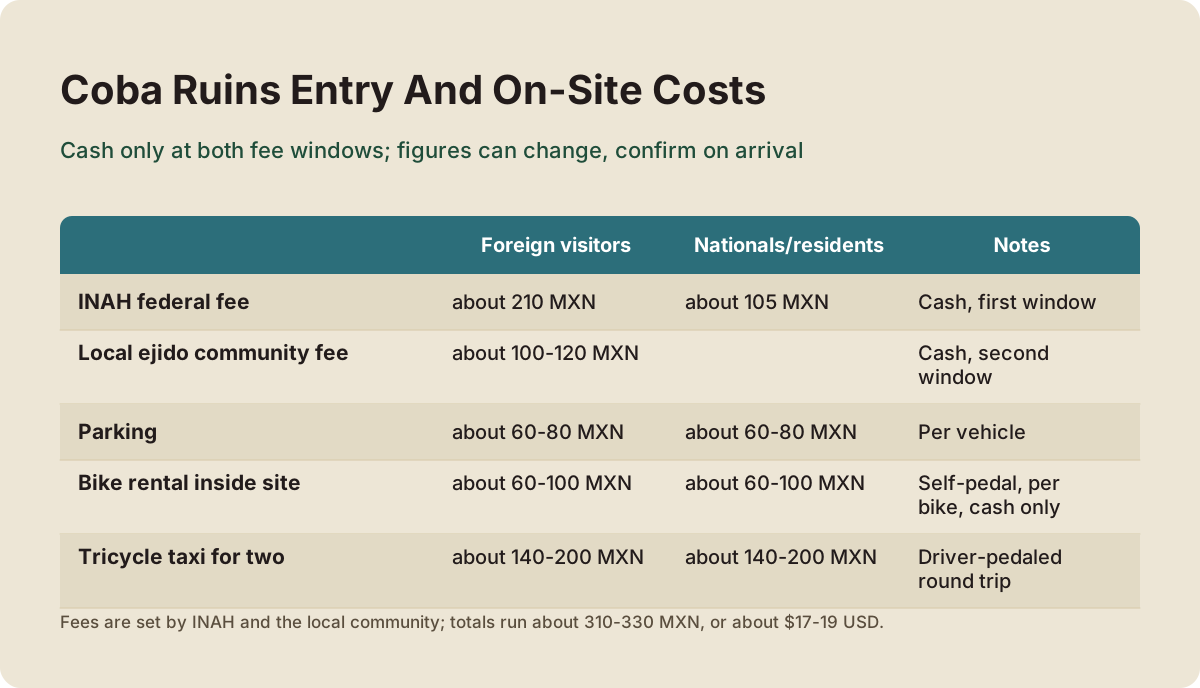
The fee comparison matters too. Coba's roughly 310-330 MXN total for foreigners is the cheapest of the three big ruins experiences in the region: Tulum's unified gate fee is 265 MXN, and Chichen Itza's combined foreigner fee runs about 697 MXN, roughly $35-40. All of these are set by INAH and state or community authorities and can change, so confirm on arrival. If you are weighing the two sites against each other rather than adding both, the head-to-head is argued out in which Mayan ruins are better, Coba or Tulum, and the region-wide ranking, including Muyil and Ek Balam, sits in which Mayan ruin is the best to visit.
| Site | Foreigner Entrance | Pyramid Climbing | Character |
|---|---|---|---|
| Coba | ~310-330 MXN (~$17-19) | Yes, Nohoch Mul, regulated | Jungle, spread out, quiet |
| Chichen Itza | ~697 MXN (~$35-40) | No, banned since 2006 | Iconic, restored, crowded |
| Tulum | 265 MXN | No | Small, coastal, beach access |
How Do You Get To Coba From Tulum?
Coba sits about 42-48 kilometers northwest of Tulum, a drive of roughly 39-56 minutes depending on traffic, commonly quoted as about 45 minutes. There is no direct ADO bus to the site entrance, so the practical options are a rental car, a taxi, a colectivo to the Coba turnoff, or a tour that includes transport. Most independent visitors drive or take a tour.
The road is straightforward: Highway 307 north from Tulum, then inland toward Coba on a well-marked route. Rental cars make the trip easy and let you add a cenote stop, since several swim spots cluster near the site. Taxis from Tulum work for a one-way drop but get expensive as a round trip unless you negotiate a waiting fare, and drivers will wait for a price. Colectivos run toward the Coba junction but the last leg is thin, so treat that option as an adventure rather than a plan.
The easier answer for most travelers is a tour with pickup. The Coba-focused options on this list all include transport, and the differences are mostly group size and what else the day stacks alongside the ruins. The 10-hour small-group day combining Coba, the Multun Ha cenote and the Mayan museum carries 4.5 across 774 reviews. Check the tour page for which entrance fees are covered before you book.
For travelers starting from Cancun rather than Tulum, the calculus changes. A private Coba and Tulum day from Cancun, from $347.83, includes both entrances, buffet lunch and a private guide across 9 to 11 hours, and it holds 5.0 from 27 reviews. It is the highest headline price among the tours on this site, and the private format is what you are paying for.
Should You Visit Coba On A Tour Or On Your Own?
On your own works well if you have a car, want the cheapest day and are comfortable handling the cash fee system and bike rental yourself. A tour wins on convenience and on combinations, because the strongest Coba products bundle a cenote swim, lunch or a second ruin into one booking, with pickup included. The Coba tours on this list run from $61 to $347.83 depending on format.
The self-guided case is real. Entrance is affordable, the site's signage is thin but an on-site guide at the entrance can be hired for a small-group walk, and independent travelers with their own vehicle keep total costs low while setting their own pace at the pyramid. The trade-offs are the two cash windows, the drive, and the fact that you will not get the cenote-and-lunch layer that makes the tour versions feel like a full day.
The tour case depends on what kind of day you want. The Riviera Maya departure combining Coba and Tulum with a Cenote Mariposa swim, a Mayan traditions demonstration and lunch runs from $61 and carries 4.5 from 94 reviews. The nature-heavy option adds Punta Laguna reserve and a Mayan family visit for from $119, 5.0 from 532 reviews, with food included and pickup from Tulum-area hotels. And the group day trip departing Cancun or Riviera Maya, from $179, splits the difference. Group sizes, exact inclusions and pickup windows are all on the tour page, and reading the inclusions line matters more here than at most sites, because Coba tours vary widely on whether entrance fees are inside the price.
Whichever way you go, the essentials do not change: cash pesos for the fees and bikes, closed-toe shoes for the climb, water, and an arrival time that puts you at the site in the morning. Tulum Ruins Tours keeps the full lineup of Coba and Tulum combo tours alongside this guide, and the deeper planning questions, from what to pack to how the two sites pair in one day, are covered in the Tulum and Coba combo tour guide.
Common Questions About The Coba Ruins
Can you still walk up Coba ruins?
Yes. Nohoch Mul reopened for climbing around December 8, 2025 on a new wooden staircase, with small groups of about 14-15 at a time, a climbing window typically 8:00 to 15:30, a roughly 15-minute summit limit and closed-toe grip shoes required.
How much does it cost to enter the Coba ruins?
Foreigners pay two cash tickets, about 210 MXN INAH federal plus about 100-120 MXN local ejido fee, roughly 310-330 MXN total, about $17-19 USD. Mexican nationals pay about 105 MXN and enter free on Sundays with valid ID. Fees can change, confirm on arrival.
Are the Coba ruins worth seeing?
For most travelers yes, especially if climbing a pyramid matters to you, since Coba is the only major regional site where that is still possible. The site is quieter and more jungle-immersed than Chichen Itza, though it is less restored and requires bikes or a tricycle to cover comfortably.
How far is Coba from Tulum?
About 42-48 kilometers northwest, a drive of roughly 39-56 minutes, commonly quoted as about 45 minutes via Highway 307 and the inland route.
Do you need to rent a bike at Coba?
You are strongly advised to. The structure groups sit 1-2 kilometers or more apart along jungle paths, and walking the full circuit in heat is hard. Bikes run about 60-100 MXN and driver-pedaled tricycles about 140-200 MXN for two, cash only.
Is Coba bigger than Chichen Itza?
Yes, by a wide margin. Coba spans an estimated 70-80 square kilometers with more than 5,000 mapped structures, most unexcavated, against Chichen Itza's compact core of roughly 4-10 square kilometers. Chichen Itza is more restored and far more crowded.