Is Chichen Itza Worth It From Tulum?
Chichen Itza is the only New Seven Wonders of the World site within reach of Tulum, and it charges like one. Here is the honest math on fees, drive time and crowds, and when a nearer ruin serves you better.
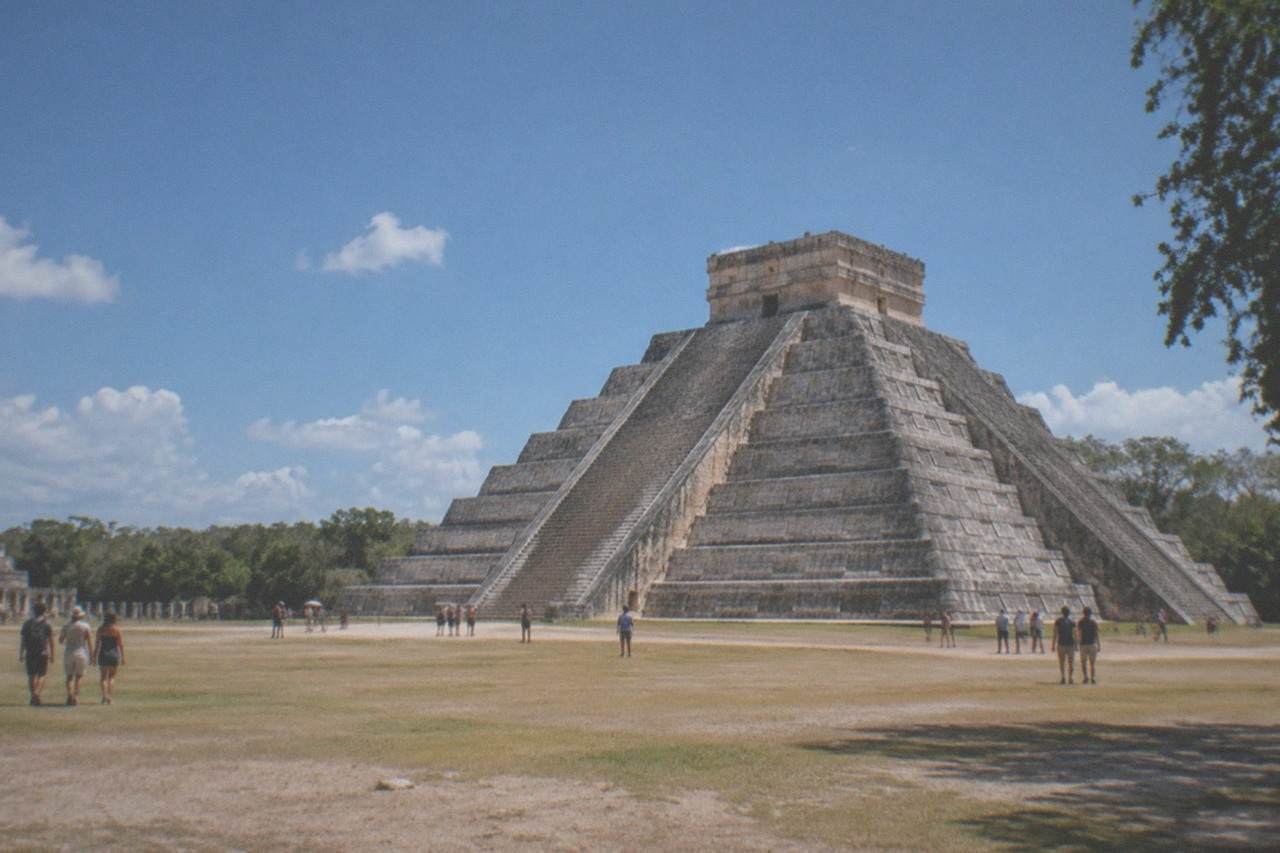
Short answer
Yes, for most travelers Chichen Itza is worth it from Tulum: it is a New Seven Wonders of the World site about 153 km away, roughly a two-hour drive each way on the toll road, with a foreigner entrance fee near 697 MXN (about $35-40). If your time is short, Coba or Ek Balam are closer and quieter.
El Castillo has been closed to climbers since 2006, the drive from Tulum runs about 153 km, and the foreigner entrance fee sits near 697 MXN, roughly $35-40. None of that stops Chichen Itza from being the single most famous archaeological site in Mexico, and the only New Seven Wonders of the World designation within a morning's reach of the Riviera Maya. The question for a Tulum-based traveler is not whether the site is extraordinary, it is whether the extraordinary justifies a full day of your trip. This page works through that tradeoff with real numbers: the fee, the drive, the crowds, the tour prices compared on this site, and the honest cases where Coba or Ek Balam serve you better. For the practical companion piece, the Chichen Itza day trip planning guide covers itineraries and logistics in more depth.
Is Chichen Itza Worth The Two-Hour Drive From Tulum?
For most travelers, yes. Chichen Itza is one of the New Seven Wonders of the World, the best-restored and most architecturally varied major Maya site in the region, and nothing nearer Tulum matches it for scale, fame or sheer visual payoff. The honest cost is a full day: about 153 km each way, roughly two hours of driving on the 180D toll road, and an entrance fee near 697 MXN for foreign adults.
The drive is the part people underestimate. The route runs north on Highway 180D toward Valladolid, tolls the whole way, and takes about two hours to two hours and three minutes in normal conditions. That is each direction. Add the site visit itself, which most sources and our own planning guidance put at three to four hours for a first visit, plus a cenote or Valladolid stop if your tour includes one, and you are looking at a 10 to 12 hour day door to door. Tours on this list run exactly that long: the 12-hour small-group trips are the norm, not the exception.
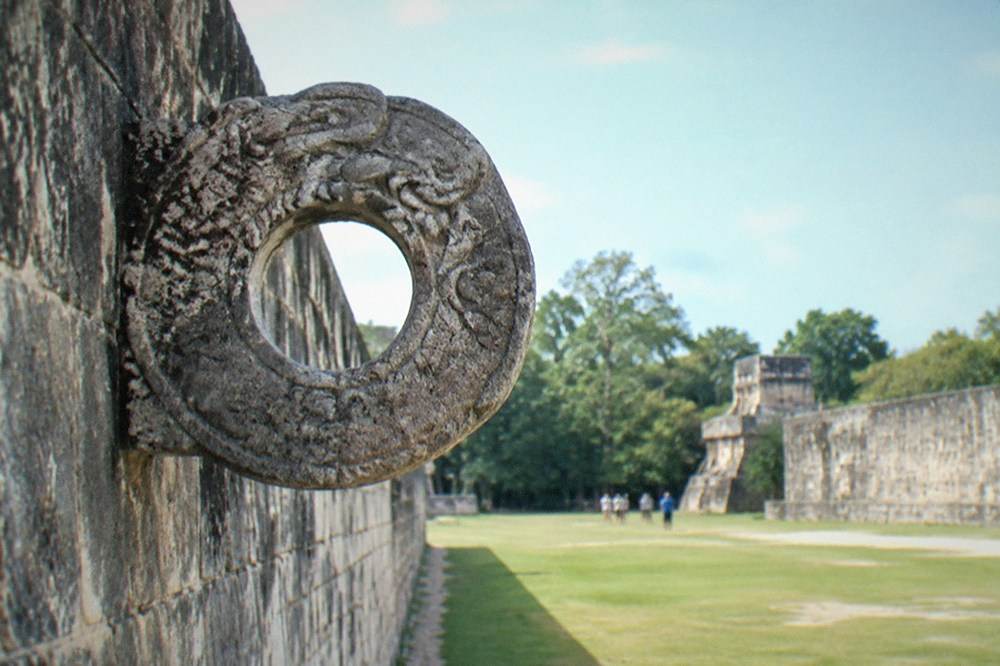
What you get back is a site that genuinely earns its reputation. El Castillo, the Pyramid of Kukulkan, is the most photographed Maya structure on earth for a reason: its proportions, its serpent-head balustrades and the play of light on the stepped platforms add up to something no photograph quite carries. Around it sit the Great Ball Court, the largest in Mesoamerica, the Temple of the Warriors with its forest of columns, the Sacred Cenote, and the Observatory, a building most visitors walk past and should not. The site is compact by regional standards, with a core of roughly 4 to 10 square kilometers against Coba's sprawling 70 to 80, which means you can see the highlights on foot without renting a bike.
The verdict has a real edge, though. If your Tulum stay is two nights or less, or you travel in the hottest months and cannot face a midday sun on white limestone, the nearer sites are not a consolation prize. Coba is 45 minutes away and, since December 2025, holds the only major pyramid in the region you can still climb. Ek Balam is quieter still and its Acropolis is also climbable. Both are covered in the comparison below, because for some travelers they are the better buy.
What Does It Actually Cost To Visit Chichen Itza?
A foreign adult pays roughly 697 MXN, about $35-40, split between a federal INAH fee near 105 MXN and a Yucatan state fee near 592 MXN, paid at the gate. Mexican nationals pay less, around 298-310 MXN on weekdays with ID, and Sundays are free for Mexican citizens only. Fees are set by INAH and CULTUR and can change, so confirm on arrival.
The two-part fee structure confuses a lot of first-time visitors. You are effectively paying two tickets at one site: the federal portion that goes to INAH, and the state portion collected for Yucatan. Some reports show slight variance, 676 to 697 MXN total for foreign adults, which reflects annual adjustments rather than different prices for different people. Children under 13 are typically free or pay only the lower federal rate. Yucatan residents are exempt from the state portion under a late-2025 decree, which is why you may see locals paying far less at the window than you do.
Sunday deserves a flag because it is widely misunderstood. INAH's longstanding policy makes Sunday entry free for Mexican nationals and foreign residents with valid ID, and that policy is real and current. It does not apply to foreign tourists, who pay the full fee every day of the week. The practical consequence is that Sundays are among the busiest days at the site, so the "free Sunday" you cannot use also delivers you the crowd you were trying to avoid. Plan around it.
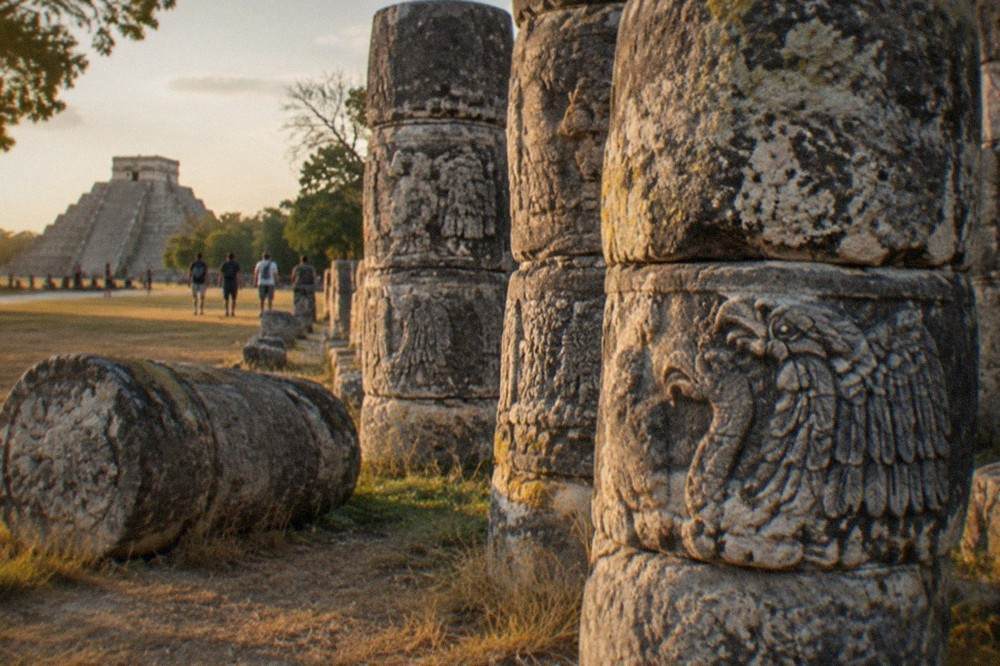
Here is the full cost picture for a day trip from Tulum, entrance fees first, in pesos, with the tour prices from this site's lineup alongside them. The fee detail on the Chichen Itza entrance page tracks the same split, and the drive figures come from the Tulum to Chichen Itza route breakdown.
| Cost item | Typical figure | Notes |
|---|---|---|
| Chichen Itza entrance, foreign adult | ~697 MXN (roughly $35-40) | Federal ~105 MXN + state ~592 MXN; minor source variance, confirm on arrival |
| Chichen Itza entrance, Mexican national | ~298-310 MXN weekdays | Valid ID required; free Sundays |
| Parking at the site | ~80 MXN | If driving yourself |
| Tolls, each way | Varies by vehicle | 180D toll road, the fast route |
| Cheapest tour from Tulum | From $90 | 12-hour day trip, hotel pickup in Tulum, lunch included |
| Small-group lineup tour | From $119 to $214 | Varies by inclusions and group size |
The tour prices deserve a second look, because the arithmetic often favors them. Self-driving a rental from Tulum means tolls both ways, parking, the entrance fee, and your own cenote arrangements if you want the full day. The cheapest Chichen Itza tour on this list, from $90 with hotel pickup in Tulum, a bilingual guide, a cenote swim stop, and a regional buffet lunch, frequently lands at or below the DIY total once you price your own time and fuel. The Tulum Ruins Tours lineup carries four Chichen Itza day trips in total, and the spread between them is mostly about group size and what is bundled.
For a deeper run at the numbers, the tickets and tours page for Chichen Itza breaks down every fee line and every tour option.
What Makes Chichen Itza Different From Every Other Ruin Near Tulum?
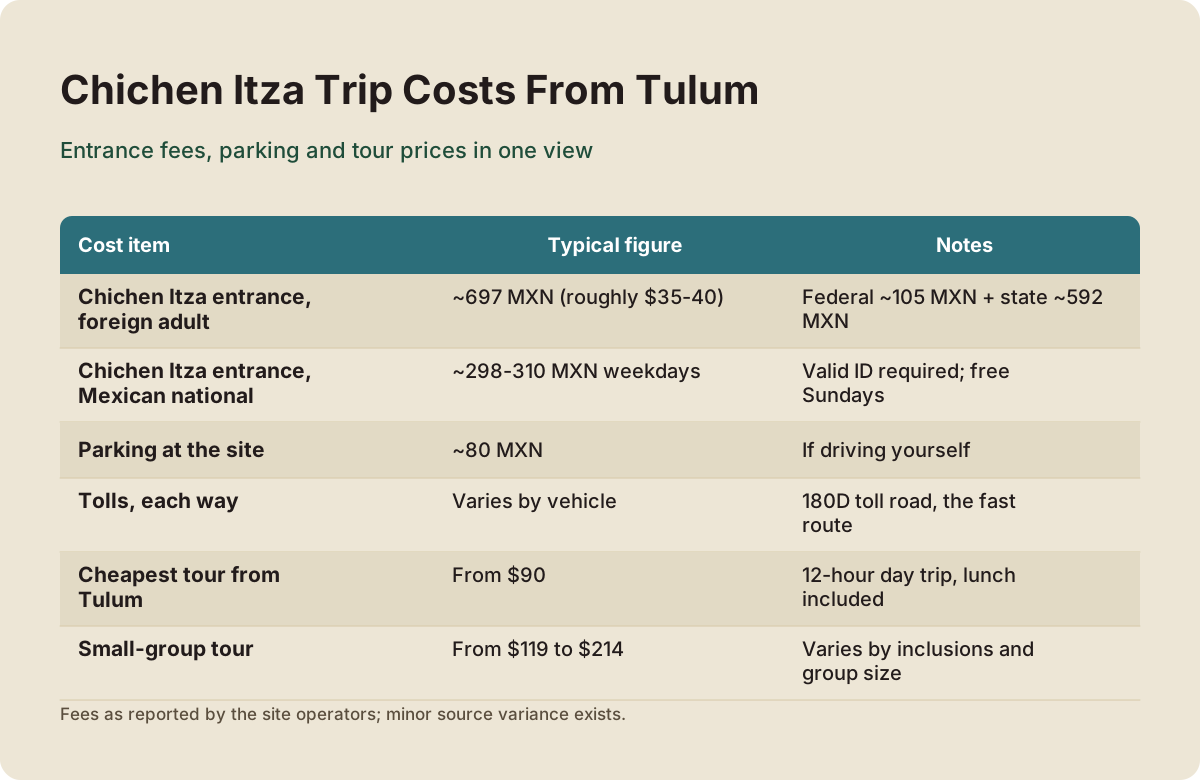
Chichen Itza is the only site near Tulum with UNESCO World Heritage status and a New Seven Wonders of the World designation, and it shows the widest architectural range: Toltec-influenced pyramid, the largest ball court in Mesoamerica, a sacred cenote and a functioning observatory in one compact walkable core. The tradeoff is crowds and a climbing ban that no other major site imposes so completely.
The comparison with Tulum itself is the sharpest one. Tulum's ruins are small, cliffside, Postclassic and photogenic, a 1.15-hour guided walk covers them, and you can swim at the cove below El Castillo afterward. Chichen Itza is inland, vast in ambition, and represents several centuries and at least two distinct architectural traditions layered on one another. Tulum gives you the Caribbean; Chichen Itza gives you the empire. Most travelers with three or more days in the region end up doing both, and that instinct is correct.
The contrast with Coba is more interesting than most guides admit. Coba is physically larger, 70 to 80 square kilometers with over 5,000 mapped structures, most of them unexcavated, but its visited core is a jungle experience rather than a monument showcase. Its Nohoch Mul pyramid, at 42 meters the tallest in the region, reopened to climbers around December 8, 2025 after roughly six years closed, with a new wooden staircase, small groups of 14 to 15 at a time, a climbing window from about 8:00 to 15:30, and a roughly 15-minute summit limit. Chichen Itza cannot offer anything like that, and the question of whether you can still climb at Coba is worth reading if the climb matters to you, because for many travelers it is the deciding factor between the two.
Ek Balam is the sleeper alternative. It sits about 121 to 130 km from Tulum, roughly 1.5 to 2 hours by road, so it does not save you much driving, but it receives a fraction of the visitors, in the low hundreds daily against the thousands at Chichen Itza. Its Acropolis, El Trono, about 43 meters tall, is climbable via steep stone steps with a rope assist, and its stucco friezes are among the best preserved in the Yucatan. The case for Ek Balam is essentially the case against Chichen Itza's crowd, at nearly the same drive cost.
| Site | Drive from Tulum | Foreigner entrance | Climbing | Crowd level |
|---|---|---|---|---|
| Chichen Itza | ~153 km, ~2 hours | ~697 MXN (roughly $35-40) | Banned on all structures | Very high |
| Coba | ~42-48 km, ~45 minutes | ~310-330 MXN total (roughly $17-19) | Nohoch Mul open, regulated | Moderate |
| Ek Balam | ~121-130 km, ~1.5-2 hours | ~691 MXN (roughly $35-40) | Acropolis climbable, rope assist | Low |
| Tulum | In town | 265 MXN (roughly $13-15) | Not permitted | High midday |
One pattern in that table surprises people: Ek Balam's total foreigner fee, about 691 MXN, is nearly identical to Chichen Itza's. The Wonder of the World premium you might expect is largely not there. What you are really choosing between is fame and footfall, not price.
Can You Climb Anything At Chichen Itza?
No. Climbing El Castillo has been banned since 2006, after a fatal accident and to halt erosion, and the ban is fully enforced. Barriers keep visitors well back from the pyramid, the interior, including the Red Jaguar Throne, is closed, and every other major structure at the site is also off-limits to feet. If climbing a pyramid is your goal, Chichen Itza will not deliver it.
This is the single most common disappointment at the site. Visitors who remember older guidebooks, or who have seen photos taken before 2006, arrive expecting to stand on the pyramid. The site rules summary is blunt about it, and so is the enforcement: a rope line keeps everyone back from the base, and the famous serpent heads at the foot of the north stairway are viewed from behind a barrier. The interior passage and the throne chamber open to the public in earlier decades have been closed for years and remain closed.
The honest framing matters here. The ban is not bureaucratic pettiness; it followed a visitor death in 2006 and years of measurable stone erosion from millions of footsteps. The same conservation logic has since swept the region: Tulum's structures closed to climbing long ago, and Coba shut its pyramid for roughly six years before finding a compromise, the wooden staircase, that lets people up without walking on the original stones. Chichen Itza has announced no such compromise and shows no sign of one.
If standing on a Maya pyramid is the experience you are chasing, the region still offers it, in two places. Coba's Nohoch Mul reopened around December 2025 with the regulated staircase described above, and Ek Balam's Acropolis remains open with a rope-assisted climb. Neither is El Castillo, and neither pretends to be. But if the summit photo is the point of your day, driving two hours to a site where every structure is off-limits is the wrong allocation of your trip.
How Do You Avoid The Crowds At Chichen Itza?
Arrive at opening, 8:00 AM, ideally between 7:45 and 8:15 on a Tuesday, Wednesday or Thursday. The calm window runs roughly until 10:00 or 10:30 AM, before the tour buses from Cancun, Playa del Carmen and the cruise ports arrive in volume. Midday, 11 AM to 2 PM, is peak crowd, peak heat and peak vendor activity, and equinox days draw enormous numbers.
The bus math is unforgiving. Chichen Itza is the single most visited archaeological site in Mexico, drawing from Cancun, the Riviera Maya and Merida simultaneously, and nearly all of that traffic arrives mid-morning. A visitor who walks in at 8:00 shares El Castillo with a few hundred people. The same visitor arriving at noon shares it with several thousand, in 90-degree heat, on white limestone with no shade. The experience is not the same product at those two hours, even though the ticket costs the same.
The equinox exception cuts both ways. Around March 20-21 and September 22-23, the famous serpent of light and shadow descends El Castillo's balustrade, and the site fills with visitors who have come specifically for it. It is genuinely special and genuinely packed; if you want it, arrive well before opening, and if you do not care about it, avoid those four dates entirely.
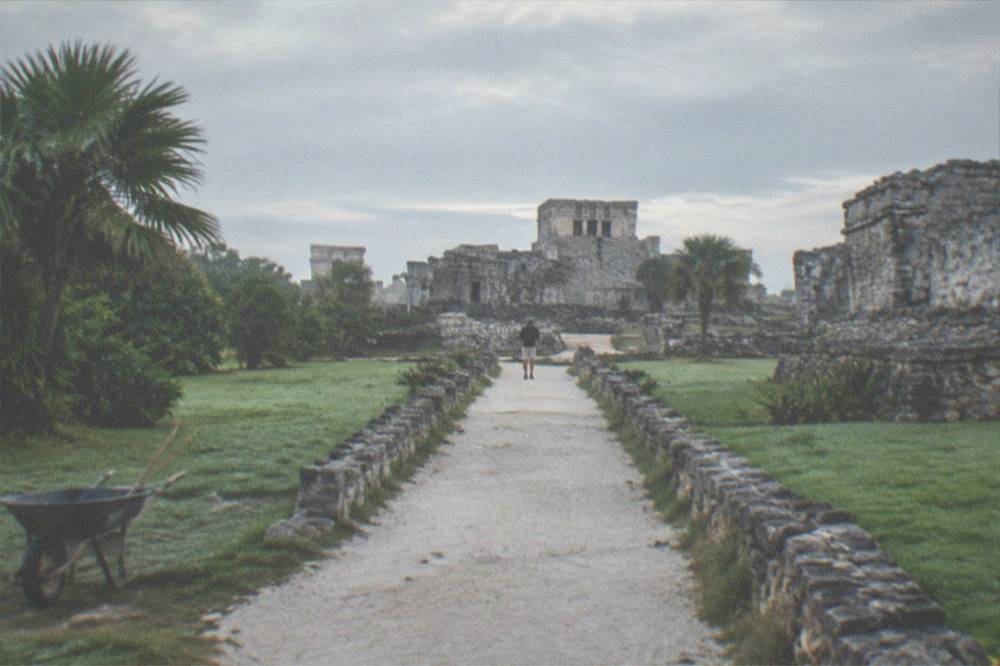
This is where a tour earns its keep. A Tulum-departing tour that leaves at 6 or 7 AM gets you through the gate near opening, before the independent drivers and the cruise shuttle wave. The small-group options on this list are built around exactly this timing. The 10-hour Chichen Itza, cenote and Valladolid small-group day trip, 4.9 across 2,207 reviews, from $214, sequences the site early, then moves you to a cenote swim and lunch while the midday crowd bakes at the ruins. The cheapest option, from $90 for the 12-hour trip with Tulum hotel pickup, hits the same early-morning window at a lower price point.
A note on vendors, because it colors a lot of reviews. The paths at Chichen Itza are lined with licensed stallholders selling everything from obsidian carvings to jaguar whistles, and the volume of selling surprises visitors who expected a solemn ruin. It is legal, it is dense, and it is avoidable only by going early. The site's historic core, once you are past the main market stretch, is calmer.
What Are The Best Chichen Itza Tours From Tulum?
Four Chichen Itza day trips from Tulum make up this list, some run as small-group tours, prices on the tour pages, ranging from 10 to 12 hours. The strongest all-rounder is the 10-hour Chichen Itza, cenote and Valladolid small-group trip at 4.9 across 2,207 reviews from $214; the best budget pick is the 12-hour trip with hotel pickup, a bilingual guide, buffet lunch and a cenote swim.
Here is the full field, honestly rated. Every figure below matches what the tour listing itself shows.
| Tour | Rating | From | Length | What is included |
|---|---|---|---|---|
| Chichen Itza, cenote and Valladolid small-group day trip | 4.9 from 2,207 reviews | $214 | ~10 hours | Tulum pickup, guided Chichen Itza, cenote swim, lunch |
| Chichen Itza, Ek Balam and Hubiku cenote small group | 4.7 from 193 reviews | $119 | 12 hours | AC minivan, water, hotel pickup, breakfast, three stops in one day |
| Chichen Itza day trip from Tulum including cenote and lunch | 4.0 from 293 reviews | $149 | 12 hours | Certified bilingual guide, buffet lunch, Tulum pickup, cenote visit |
| Chichen Itza, cenote and Valladolid from Tulum | 4.6 from 377 reviews | $90 | 12 hours | Tulum hotel pickup, bilingual guide, cenote swim stop, buffet lunch, free time in Valladolid |
The 4.0 rating on the $149 trip needs saying plainly, because this site does not dress numbers up. It is the lowest-rated product on the entire list of tours, kept because it is real, verified and bookable, not because it is the best. Two hundred ninety-three reviews at 4.0 means a meaningful share of guests walked away unsatisfied, and the pattern in that band is usually timing and crowding rather than safety. If the price tempts you, read the recent reviews on the listing first.
The Ek Balam combination deserves a closer look than its mid-table price suggests. At 4.7 from 193 reviews, from $119 for 12 hours, it bundles Chichen Itza, Ek Balam and the Hubiku cenote into a single day, with breakfast and air-conditioned minivan transport included. That is a lot of Yucatan for the money, and it is this list's answer to the traveler who wants the famous site and the climbable pyramid in one trip. It is also this page's related pick for a reason: for most Tulum visitors asking whether Chichen Itza is worth it, this is the tour that makes the answer yes.
The from-$90 trip is the budget benchmark. For that price you get hotel pickup in Tulum, a bilingual guide, a cenote swim stop, and a regional buffet lunch across a 12-hour day. Against the DIY arithmetic laid out in the fee section above, it is the option that most often undercuts driving yourself. Check availability on the tour page, since prices on these trips move with season.
When Is Chichen Itza Not Worth It?
Skip Chichen Itza if you have two nights or fewer in Tulum, if you cannot or will not leave before 7 AM, if climbing a pyramid is your main goal, or if equinox-level crowds and midday heat would ruin the site for you. In those cases Coba, 45 minutes away with a climbable pyramid, or Ek Balam, quiet and climbable, are better uses of the day.
The two-night rule is the sharpest cut. A Chichen Itza day trip consumes 10 to 12 hours. On a two-night stay that is half your trip spent in a van, and Tulum itself, its ruins, its cenotes and its beach deserve more than the leftover morning. The Tulum archaeological zone alone, 265 MXN for foreign adults with beach access at the cove below El Castillo, plus a nearby cenote, makes a full and memorable day without a single hour on the toll road.
The climbing motive is the second cut. If the photo you want has you standing on a pyramid, Chichen Itza cannot produce it, and no guide or tour can change that. Coba can, with the December 2025 reopening of Nohoch Mul and its regulated wooden staircase, and Ek Balam can, with its rope-assisted Acropolis climb. The honest comparison, including the Coba versus Tulum question, is worth ten minutes of your planning time before you commit a full day.
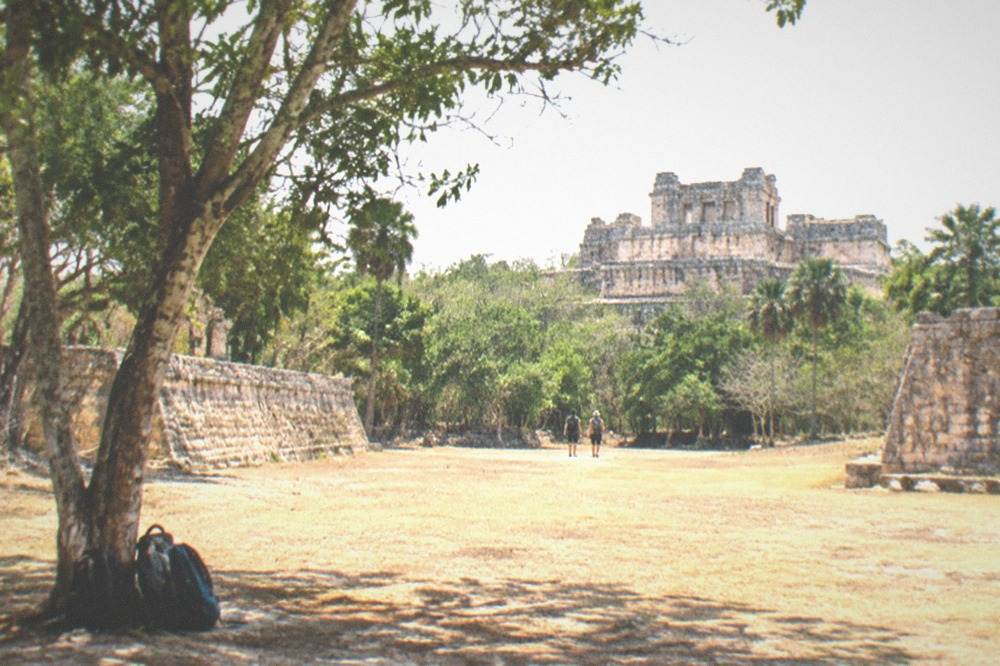
The heat and crowd sensitivity is the third cut. Chichen Itza is white limestone with almost no shade, inland, hotter than the coast, and at its worst between 11 AM and 2 PM precisely when its crowds peak. Travelers who wilt in that combination do not enjoy the site, and a ruined day at a Wonder of the World is still a ruined day. The rainy season, June through November with peak hurricane risk in September and October, adds afternoon storms to the mix; the dry season from November to April is the reliable window, and the best-time guidance for the region applies here with extra force.
None of these cuts applies to most travelers, which is why the verdict on this page leans yes. But they are real cuts, and pretending otherwise would make this page useless.
How Should You Plan The Actual Day?
Leave Tulum between 6 and 7 AM, drive the 180D toll road roughly two hours, arrive for the 8:00 AM opening, spend three to four hours at the site, then add a cenote swim and a Valladolid lunch stop on the return, landing back in Tulum by early evening. Bring water, a hat, closed shoes and cash, and confirm fees and hours on arrival.
The sequence matters more than the schedule. The early start is not optional padding; it is what buys you the calm window at the pyramid before the buses land. The toll road is the fast route, and the drive figures, about 153 km and two hours to two hours and three minutes, hold well in normal conditions. Hours at the site run typically 8:00 to 16:00 or 17:00 with last entry around 15:00 to 16:00, so the day has a hard back edge; you cannot arrive late and stay into a cool evening, because there is no evening entry.
The add-on stops are where the day gets its shape. Ek Balam and Valladolid are the standard same-day companions on a Tulum-departing trip: Valladolid for its colonial center, cenotes and lunch, Ek Balam for the climbable Acropolis. A cenote swim after the ruins is close to mandatory in practice; the site is hot, the cenotes on the route are spectacular, and every tour on this list except none includes one. The Hubiku cenote on the Ek Balam combination tour is the most common pairing among these trips.
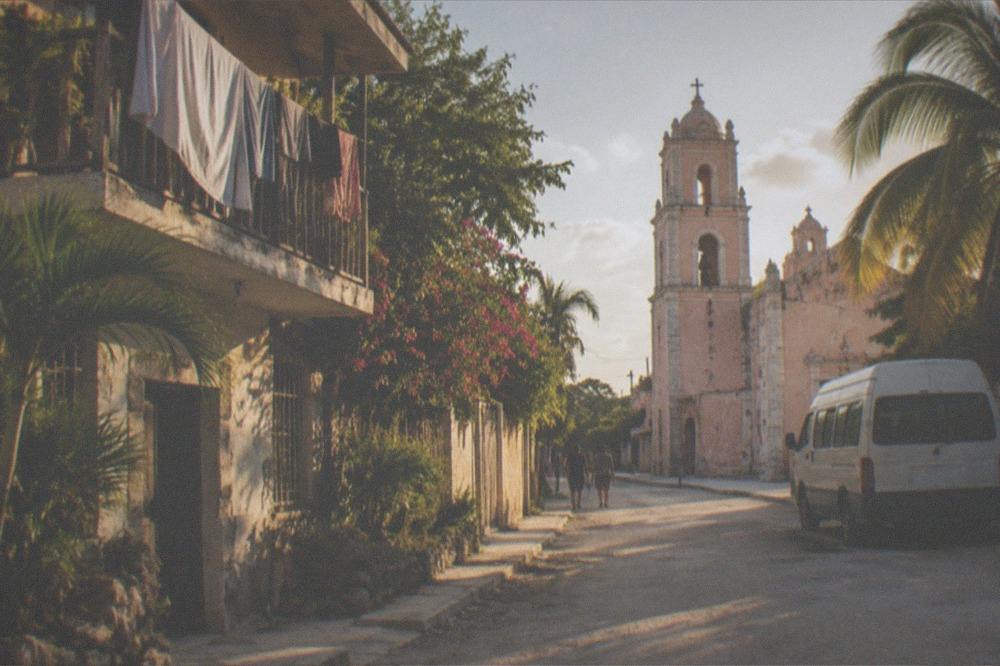
Packing is short and practical. Water, more than you think; a hat and reef-safe sunscreen; closed walking shoes for hot stone paths; cash in pesos for the gate, tolls, parking near 80 MXN and vendors; and a swimsuit if a cenote is on the route. The what-to-bring guidance for Tulum-area ruins transfers almost entirely, with the note that Chichen Itza is hotter and shade-free in a way the coastal sites are not.
| Time | What happens | Why it matters |
|---|---|---|
| 6:00-7:00 AM | Depart Tulum | Buys the 8:00 AM opening window |
| 7:45-8:15 AM | Arrive and enter | Calm window at El Castillo until ~10:00-10:30 |
| 8:00-11:00 AM | Site visit, 3-4 hours | Ball court, Warriors, Sacred Cenote, Observatory before peak heat |
| 11:30 AM-1:00 PM | Cenote swim and lunch | Valladolid or Hubiku on most tour routes |
| 1:00-4:00 PM | Return drive | Off the white limestone before the worst of the sun |
| 4:00-6:00 PM | Back in Tulum | 10-12 hour day door to door, matching the tour lengths on this list |
The verdict, restated plainly: Chichen Itza is worth it from Tulum for most travelers with three or more days in the region, and the full-day cost in time, fees and early alarms is repaid by a site nothing else in the Yucatan matches. For the shorter trips and the summit-seekers, Coba and Ek Balam are not compromises, they are the better answer. Either way, book the day around the opening hour, because the same ticket buys two completely different experiences at 8 AM and at noon.
Common Questions About Chichen Itza
Is Chichen Itza worth it?
For most travelers based in Tulum, yes. It is the region's only New Seven Wonders of the World site, roughly two hours each way by toll road, with a foreign adult fee near 697 MXN. The full day it costs is repaid by El Castillo, the Great Ball Court and the Temple of the Warriors, provided you arrive at the 8:00 AM opening and avoid the midday crowd.
Why can't you go inside Chichen Itza?
Climbing and interior access at El Castillo have been banned since 2006, after a fatal accident and to stop erosion of the stone steps. Barriers keep visitors back from the pyramid, and the interior passage and Red Jaguar Throne remain closed. The ban extends to the other major structures at the site as well.
Is 2 hours enough for Chichen Itza?
Two hours covers a fast loop of the highlights, El Castillo, the ball court and the Temple of the Warriors, but it is tight and only works at opening before the crowds land. Three to four hours is the realistic range for a first visit, and the tours from Tulum on this list build their days around that window plus a cenote and lunch stop.
What is so special about Chichen Itza?
It is a UNESCO World Heritage site and a New Seven Wonders of the World designation, with the best-restored concentration of monumental Maya architecture in the region: the Pyramid of Kukulkan, the largest ball court in Mesoamerica, the columned Temple of the Warriors, the Sacred Cenote and the Observatory, all within a compact walkable core.
Is Chichen Itza closed?
No. The site operates daily, typically 8:00 to 16:00 or 17:00 with last entry around 15:00 to 16:00. What is closed is climbing: El Castillo has been off-limits since 2006 and every other major structure is also barred to feet. No access restrictions beyond standard hours and the climbing ban are in effect.
Is Chichen Itza Mayan or Aztec?
Mayan. Chichen Itza was a major Maya city in the northern Yucatan, though its architecture shows clear Toltec influence, including the plumed-serpent columns at El Castillo, which is why the question persists. The builders, the writing and the city's history are Maya, not Aztec.