Chichen Itza Day Trip Planning Guide
Chichen Itza sits about two hours inland from Tulum, and a day trip there is a 10-to-12-hour commitment door to door. This guide lays out the drive, the fees, the tour options, and the honest fatigue math before you book anything.
Short answer
A Chichen Itza day trip from Tulum means roughly 153 km each way, about two hours of driving via the 180D toll road, and two to three hours on site. Foreign adult entry runs about 697 MXN (roughly $35-40). Small-group tours from Tulum start at $90 per person on this site's lineup.
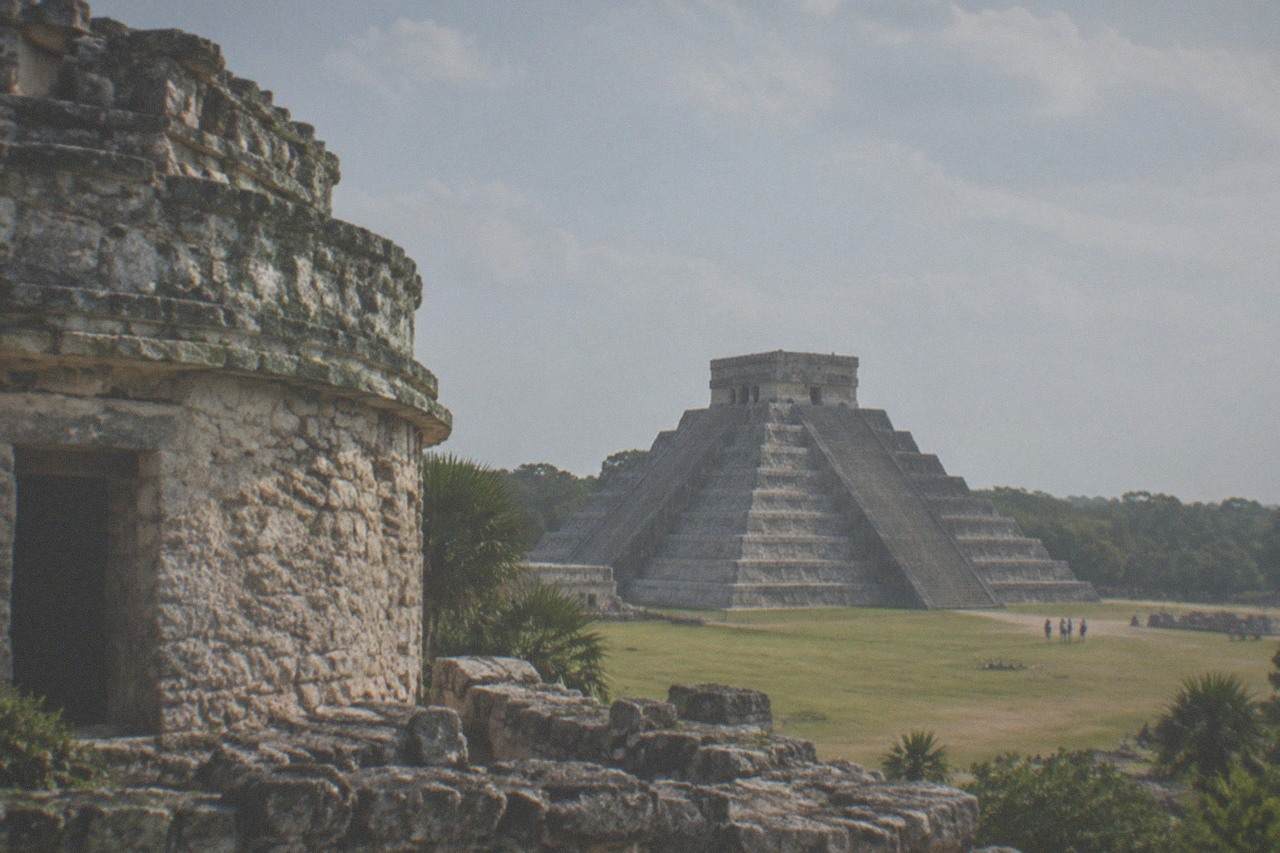
The distance from Tulum to Chichen Itza is about 153 km, roughly 95 miles, and the fastest route covers it in around two hours via the 180D toll road. That single number shapes everything else about a day trip: you will spend close to four hours in a vehicle, two to three hours at the site itself, and the rest of the day on cenotes, colonial towns, lunch stops or traffic. Anyone selling you a "quick visit" is selling you the same 12-hour day with a nicer description.
This page is the logistics companion to the Chichen Itza from Tulum guide, which covers the site itself in depth. Here the focus is the shape of the day: what a realistic schedule looks like, whether self-drive or tour transport fits your trip better, what the tickets actually cost, and how the Ek Balam and Valladolid add-ons change the math. One tour on this list worth naming early is the Chichen Itza day trip from Tulum including cenote and lunch, a 12-hour small-group product with Tulum pickup, a certified bilingual guide, buffet lunch and a cenote visit; it is the template most Tulum-departing day trips follow.
What Does A Realistic Chichen Itza Day Trip Day Look Like?
A realistic day runs 10 to 12 hours door to door. Depart Tulum between 7:00 and 8:00 AM, drive about two hours each way on the 180D toll road, spend two to three hours at Chichen Itza, and add one stop, usually a cenote or Valladolid, on the way back. Trying to add two or three stops is what turns a long day into an exhausting one.
The skeleton of the day rarely changes. You leave before the heat builds, arrive close to the 8:00 AM opening if the schedule cooperates, tour the core in the cooler morning hours, eat lunch around midday, and swim or stroll somewhere on the return leg. The site's hours typically run 8:00 AM to 4:00 or 5:00 PM with last entry around 3:00 to 4:00 PM, so a late start does not just mean crowds, it means risking the entry window entirely.
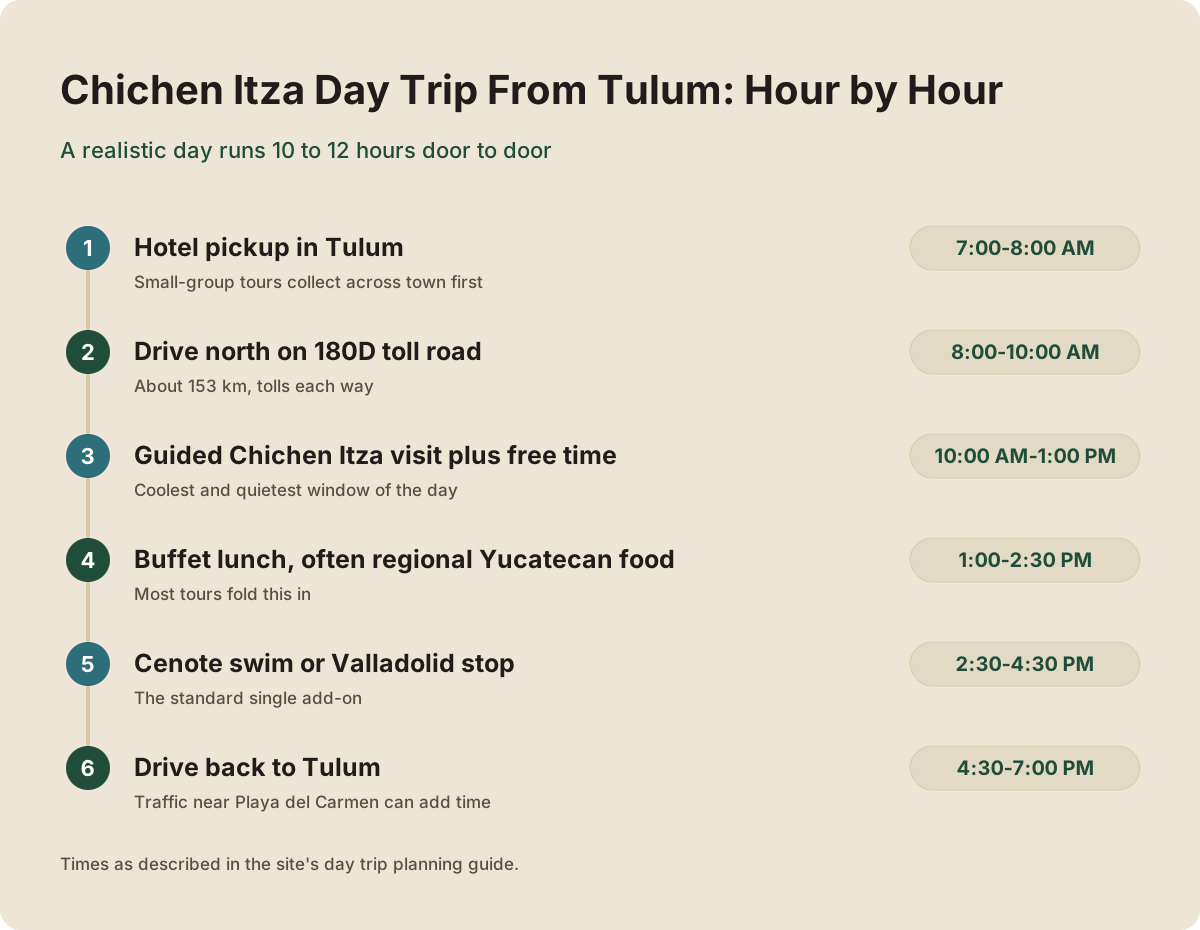
A sample timeline for a tour-based day:
| Time | What Happens | Notes |
|---|---|---|
| 7:00-8:00 AM | Hotel pickup in Tulum | Small-group tours collect across town first |
| 8:00-10:00 AM | Drive north on 180D toll road | About 153 km, tolls each way |
| 10:00 AM-1:00 PM | Guided Chichen Itza visit plus free time | Coolest and quietest window of the day |
| 1:00-2:30 PM | Buffet lunch, often regional Yucatecan food | Most tours fold this in |
| 2:30-4:30 PM | Cenote swim or Valladolid stop | The standard single add-on |
| 4:30-7:00 PM | Drive back to Tulum | Traffic near Playa del Carmen can add time |
The honest version of this table includes the parts nobody photographs: the 6:30 AM alarm, the hour of highway after the site when the adrenaline is gone, and the fact that you will not feel like doing anything the same evening. That is normal. A day trip to Chichen Itza is a big, rewarding, tiring day, and planning around the fatigue is what separates a good trip from a punishing one. If you want a deeper look at the site's structures before committing to the drive, the Chichen Itza tickets and tours guide breaks down what you actually see in those two to three hours on site.
How Long Is The Drive From Tulum To Chichen Itza?
The drive from Tulum to Chichen Itza is approximately 153 km, about 95 miles, and takes about two hours to two hours and five minutes via the 180D toll road heading north toward Valladolid. Slower free-road routings and traffic can push it toward two and a half hours, so budget two and a half each way for planning.
The toll road is the answer almost every time. Highway 180D is faster, better surfaced and avoids the heavier local traffic of the free alternatives; most routing estimates land between one hour fifty-eight minutes and two hours seven minutes depending on the exact start point and conditions. The tolls are a real line item, not a rounding error, and parking at the site runs about 80 MXN. Self-drivers should carry cash for both, since card acceptance at toll booths and rural parking lots is inconsistent.
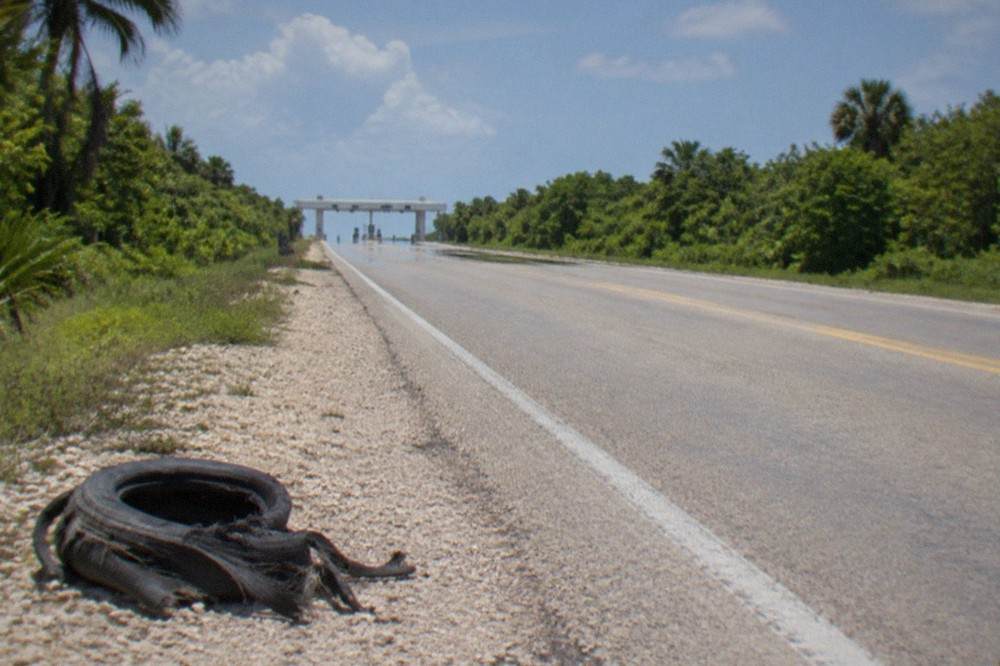
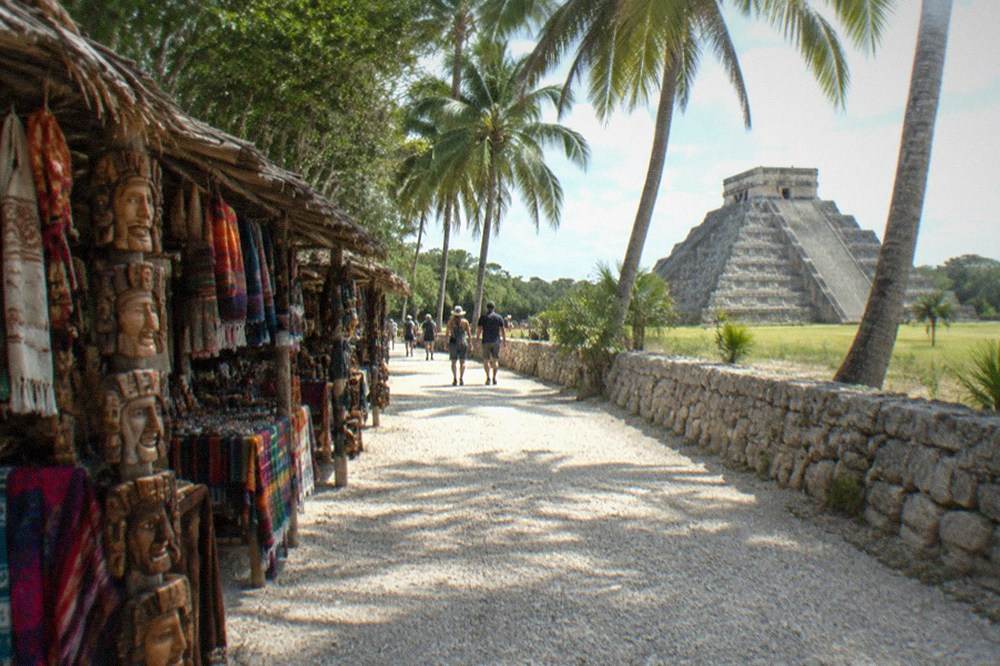
The drive itself is flat, straight and, frankly, monotonous. Jungle on both sides for most of the way, a handful of exits, then the turn-off and the vendor-lined approach road to the site. If you are weighing the drive against the reward, the is Chichen Itza worth it question gets a fuller treatment elsewhere on this site; the short planning answer is that the drive is bearable once and grueling twice in one week.
For most travelers from Tulum, a handled drive beats a rented car. The three tours below all include Tulum hotel pickup and cover the driving, the tolls and the parking while you nap or watch the jungle go by.
The from-Tulum Chichen Itza, cenote and Valladolid tour runs 12 hours with hotel pickup in Tulum, a bilingual guide, a guided walk at Chichen Itza, a cenote swim stop, a regional buffet lunch, and free time in Valladolid. Check the live booking page for the current price. At the other end, the Chichen Itza, cenote and Valladolid small-group day trip runs from $214, about 10 hours, and carries a 4.9 rating across 2,207 reviews, the largest review pool of any Chichen Itza product on this list. The middle option, the day trip including cenote and lunch from $149, holds a 4.0 from 293 reviews, a score worth reading the recent feedback on before booking rather than assuming.
Self-Drive Or Tour Transport: Which Works Better?
Self-drive suits confident drivers who want full schedule control and do not mind tolls, parking and a long morning run on a foreign highway before 8 AM. Tour transport costs more per person but delivers you to the gate, handles the ticket line timing and removes the post-site fatigue drive. For a single visit from Tulum, tour transport wins for most travelers.
The self-drive case is real: a rental car gives you the 7:45 AM arrival that beats the buses, lets you leave the site when you choose, and lets you bolt on Valladolid or Ek Balam on your own clock. Against it stand the tolls, roughly 80 MXN site parking, the cash-only ticket windows, and the simple arithmetic that you drive four of the day's twelve hours on a route with limited places to stop safely.
| Factor | Self-Drive | Small-Group Tour |
|---|---|---|
| Departure time | You choose | Operator sets, usually 7:00-8:00 AM |
| Tolls and parking | You pay, cash needed | Included in tour price |
| Site arrival timing | Fully in your control | Fixed itinerary, usually near opening |
| Guide at the site | Hire on-site or skip | Included, usually bilingual |
| Fatigue on return | You drive two hours | You ride two hours |
| Typical cost from Tulum | Car rental, fuel, tolls, ~697 MXN entry | From $90 per person on this list |
One middle path is a private tour, where you keep schedule flexibility but hand over the wheel. The private Ek Balam, cenote and Valladolid tour from Tulum runs from $239 for a full private day with transport, lunch and a cenote swim, rated 5.0 from 24 reviews; it leans on Ek Balam rather than Chichen Itza as the headline ruin, which some travelers prefer precisely because Ek Balam's Acropolis is still climbable while El Castillo is not.
Whichever way you go, the arrival window matters more than the wheels. The site is calmest from opening until roughly 10:00 to 10:30 AM, before the coach volume from Cancun and Playa del Carmen lands. A tour that departs Tulum at 8:30 AM arrives into peak crowds; one that leaves at 7:00 AM does not. Check departure times on the tour page before you book, not after.
How Much Time Do You Actually Need On Site?
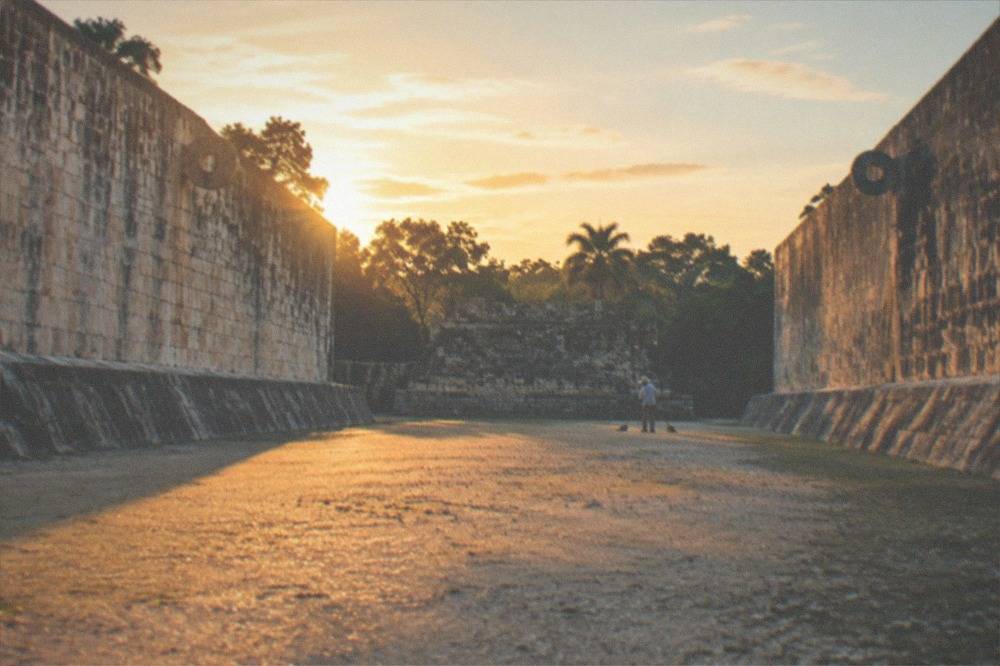
Two to three hours covers the core of Chichen Itza well: a guided walk of El Castillo, the Great Ball Court, the Temple of the Warriors and the Sacred Cenote viewpoint, plus free time for photos. Under two hours feels rushed with a guide and pointless without one; beyond four hours exceeds what most visitors absorb in the heat.
The core zone is compact. Unlike Coba, where structure groups sit a kilometer or more apart along jungle paths and bikes are near-mandatory, Chichen Itza's restored heart is walkable in a tight loop. The trade is density: the compact core concentrates thousands of daily visitors onto the same few sightlines, so the time you save walking you spend queueing at the entrance and weaving through groups at El Castillo.
A guide earns their fee here more than at most sites. Signage is thin, the symbolism is dense, and the structures you can only look at, never enter, make far more sense with someone explaining what you are seeing. Climbing El Castillo has been prohibited since 2006, after a fatal accident and to protect the structure from erosion, and the ban is fully enforced with barriers keeping visitors back; the interior, including the Red Jaguar Throne, stays closed. You look at this pyramid, you do not stand on it.
The 12-hour Chichen Itza day trip from Tulum including cenote and lunch, from $149 with Tulum pickup and drop-off, a certified bilingual guide, buffet lunch and a cenote visit, structures its on-site block around exactly this two-to-three-hour window, then moves the day's remaining energy to the swim stop. That pacing, ruins in the cool morning, water in the hot afternoon, is the standard pattern for a reason: it puts the walking where the heat is not.
That same tour is also the one this site points most Tulum visitors toward when they want the drive, the guide and the lunch handled in a single booking, and its tour page carries the current departure times and the exact inclusions. If the shape of that day fits, the next question is simply when to go.
What About The Ek Balam And Valladolid Add-Ons?
Ek Balam and Valladolid are the standard same-day add-ons from Tulum, and one of them, not both, fits a single day comfortably. Ek Balam adds a climbable pyramid about 45 minutes past Chichen Itza; Valladolid adds a colonial town, cheap food and a walkable center on the return route. Stacking both plus a cenote makes a 14-hour day.
Ek Balam is the add-on for people who want to climb. Its Acropolis, El Trono, stands about 43 meters tall and visitors can ascend via steep stone steps with a rope assist, a genuine contrast with Chichen Itza's total climbing ban. The site draws low hundreds of daily visitors against the thousands at Chichen Itza. Entry costs about 691 MXN for foreign adults in combined INAH and CULTUR fees, with parking around 100 MXN, and hours run 8:00 AM to 5:00 PM with last entry at 4:00 PM.
Valladolid is the add-on for people who are done with ruins. The colonial center, the convent, the cheap Yucatecan food and a stroll between them cost nothing beyond parking and lunch, and the town sits conveniently on the return corridor toward Tulum. Many tours sequence it as a late-afternoon wind-down, which is exactly the right use of the day's last hours of energy.
| Add-On | What It Adds | Time Cost | Who It Suits |
|---|---|---|---|
| Ek Balam | Climbable Acropolis, small crowds | ~1.5-2 hr visit plus ~45 min drive each way | First-time climbers, photography |
| Valladolid | Colonial center, convent, cheap lunch stop | ~1-1.5 hr stroll | Families, food-focused travelers |
| Cenote swim | Cool-off in fresh water | ~1-1.5 hr | Everyone, honestly |
| Both ruins plus cenote | Full three-stop itinerary | Pushes the day past 14 hours | Only the very energetic |
If the climb is the draw, one tour on this list builds the whole day around it: the Chichen Itza, Ek Balam and Hubiku cenote small-group tour, from $119 for 12 hours with an air-conditioned minivan, bottled water, hotel pickup and drop-off and breakfast included, rated 4.7 from 193 reviews. It sequences all three stops in a single long day, which is the honest caveat: you see more and you rest less.
What Does It Cost: Tickets, Tolls, Parking And Food?
Foreign adult entry at Chichen Itza runs about 697 MXN, roughly $35-40, split between a federal INAH fee of about 105 MXN and a Yucatan state CULTUR fee of about 592 MXN. Mexican nationals pay roughly 298-310 MXN on weekdays with ID. Fees are set by INAH and CULTUR and can change, so confirm the figure on arrival.
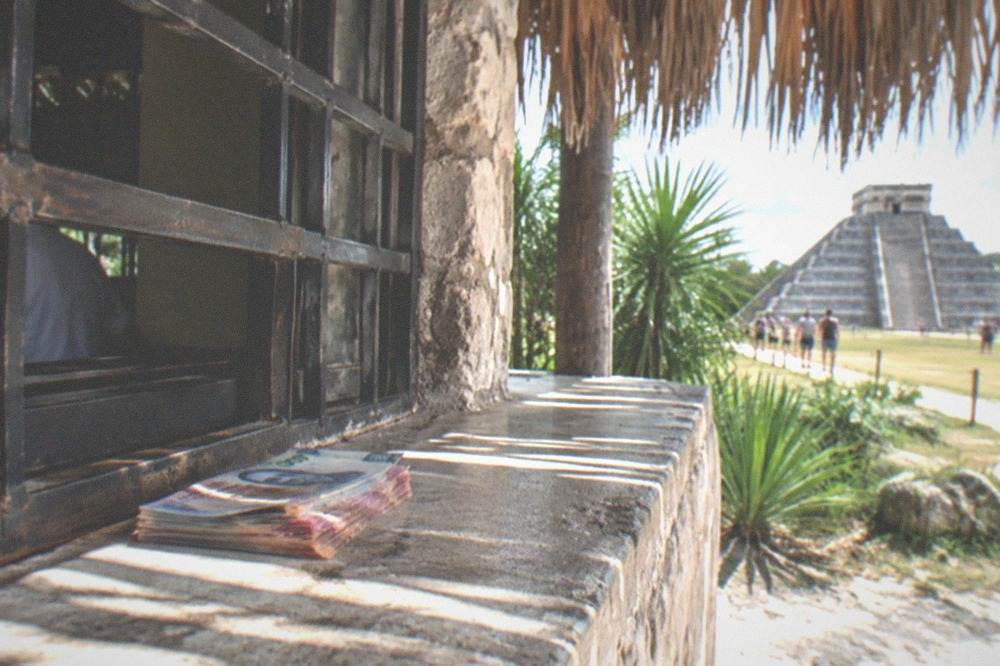
The two-part fee structure is the detail that catches self-drivers out. Depending on the ticketing setup, you may face two windows or a unified system, and the fee is paid at the gate. Add parking at roughly 80 MXN, tolls each way, and lunch, and the cash-only reality of the region becomes a packing-list item: bring more pesos than you expect to need, in bills small enough to work.
| Cost Item | Typical Figure (MXN) | Approx USD | Notes |
|---|---|---|---|
| Chichen Itza entry, foreign adult | ~697 MXN combined | ~$35-40 | ~105 INAH + ~592 CULTUR; minor source variance, confirm on-site |
| Chichen Itza entry, Mexican national | ~298-310 MXN weekdays | ~$15-18 | Valid ID required |
| Sunday entry | Free for Mexican citizens | - | Foreign tourists still pay full price |
| Parking | ~80 MXN | ~$4-5 | Cash preferred |
| Ek Balam entry, foreign adult | ~691 MXN combined | ~$35-40 | INAH + CULTUR split; parking ~100 MXN |
| Coba entry, foreign adult | ~310-330 MXN combined | ~$17-19 | Two tickets, cash only |
Tour buyers read this table differently. The from-$90 Chichen Itza tour in this lineup covers round-trip transport, a guided walk, a cenote swim, lunch and Valladolid time, with the site entry paid separately unless the listing says otherwise; the from-$149 day trip lists a certified guide, buffet lunch and a cenote visit, and you should check its page for how entry is handled; the from-$214 small-group trip's inclusions are likewise spelled out on its listing. Reading the inclusions line before booking is the single highest-value minute of planning on this page, because entry fees are the difference between a "$90 tour" and a "$130 day."
How Do You Beat The Crowds And The Heat?
Arrive between 7:45 and 8:15 AM, ideally on a Tuesday, Wednesday or Thursday, and the site stays manageable until about 10:00 to 10:30 AM. Midday, roughly 11 AM to 2 PM, brings peak crowds, peak heat and peak vendor activity. Avoid the equinox dates around March 20-21 and September 22-23 unless the equinox spectacle is the point of your trip.
The crowd pattern is brutally consistent. Coaches from Cancun and Playa del Carmen land from late morning, and the compact core means those thousands converge on the same plaza. The heat follows the same curve: the Yucatan midday sun on open grass and packed earth is a different animal from Tulum's sea breeze, and shade at the site is scarce. Water, a hat and closed comfortable shoes are not optional extras here.
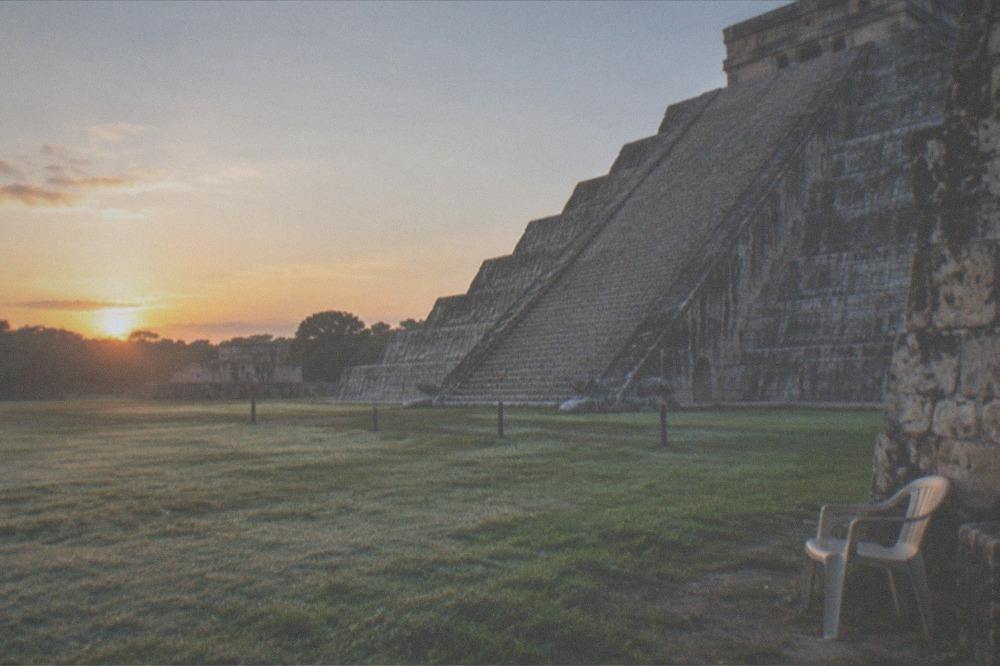
Tour departures are your crowd strategy as much as your alarm clock. A Tulum pickup at 7:00 AM puts you at the gate near opening; an 8:30 AM pickup puts you at the gate at peak. When comparing tours, compare departure times first and prices second. The operator's tour page carries the current schedule, and it is worth checking whether your chosen date falls near an equinox, when the site fills with visitors drawn by the serpent-shadow phenomenon on El Castillo.
Is The Long Day Worth The Fatigue?
For most travelers, yes, one time. Chichen Itza is the region's most famous Maya site for reasons that survive the crowds, and a single well-paced day with morning ruins and an afternoon swim lands as demanding but satisfying. The fatigue math turns negative when you stack multiple stops, repeat the drive twice in one week, or run the day on four hours of sleep.
Honest fatigue framing, because no tour listing will give it to you: you will be awake for 15 to 16 hours, in a vehicle for four of them, on your feet in heat for three more, and the last hour of the drive home is the hour people remember wrongly. Plan a low-key evening, a late breakfast the next day and nothing ambitious before noon. Travelers who ignore this and book a cenote dive for the following morning are the ones who write tired reviews.
The mitigation is pacing, not willpower. One stop after the site, not three. A swim, not a second ruin, unless climbing a pyramid is a genuine priority, in which case the Ek Balam combinations exist precisely for that. And a tour over a rental car, because the single most underrated feature of tour transport is that the return drive is someone else's problem.
If you are still deciding whether the site itself justifies the drive, the which is better Tulum ruins or Chichen Itza comparison weighs the two head to head, and Tulum Ruins Tours covers the full lineup of day trips if you want to price the handled-drive option against your rental quote. The short version: Chichen Itza is the spectacle, Tulum is the viewpoint over the sea, and a week in the region comfortably holds both on separate days.
For the handled-drive option, the three tours below cover the range: the budget headline from $90, the mid-price 12-hour day trip from $149, and the most-reviewed small-group trip from $214.
Common Questions About Chichen Itza Day Trips
Is 2 hours enough for Chichen Itza?
Two hours covers the core loop with a guide moving briskly: El Castillo, the Great Ball Court, the Temple of the Warriors and the Sacred Cenote viewpoint. It is the workable minimum, not the comfortable standard. Two to three hours lets you keep the guided walk and add free photo time, which is the pacing most Tulum-departing tours use.
Why can't you go inside Chichen Itza?
Climbing El Castillo has been banned since 2006, after a fatal accident and to stop erosion of the structure, and the ban is fully enforced with barriers holding visitors back. The interior, including the Red Jaguar Throne, is closed. Other structures at the site are also off-limits for climbing, so the visit is a viewing experience, not a scrambling one.
Is Chichen Itza closed?
No. The site operates daily, typically 8 AM to 4 or 5 PM with last entry around 3 to 4 PM. There is no weekly closure. The only access risks worth planning around are the afternoon last-entry cutoff and the very large equinox crowds around March 20-21 and September 22-23.
What is so special about Chichen Itza?
It is the most fully restored and internationally famous Maya site in the region, a compact core of monumental architecture including El Castillo, whose stepped geometry produces the famous serpent-shadow effect at the equinoxes. The climbing ban and the crowds are real, but the density of world-class structures within a short walk is unmatched anywhere else within day-trip range of Tulum.
How much does it cost to enter Chichen Itza?
Foreign adult entry runs about 697 MXN, roughly $35-40, split between a federal INAH fee of about 105 MXN and a Yucatan state CULTUR fee of about 592 MXN. Mexican nationals pay roughly 298-310 MXN on weekdays with ID, and Sundays are free for Mexican citizens. Fees are set by INAH and CULTUR and can change, so confirm on arrival.