Coba Ruins Tickets And Hours
Coba runs on a two-ticket, cash-only fee system, keeps a 8:00 to 17:00 schedule, and cuts off pyramid climbing at 15:30. Here is what each of those costs and how to plan around them.
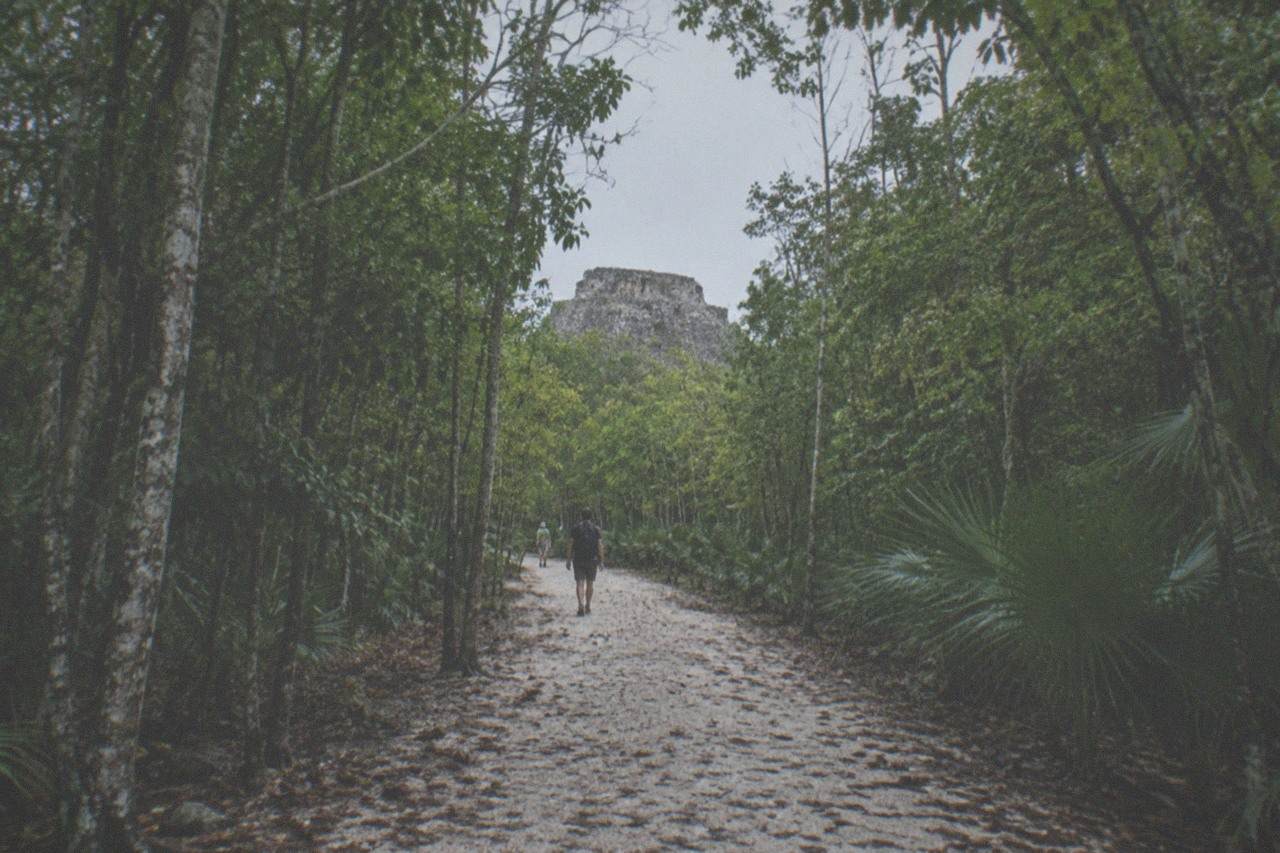
Short answer
Foreign visitors pay roughly 210 MXN to INAH plus 100 to 120 MXN to the local ejido, about 310 to 330 MXN total (roughly $17-19 USD), cash only. Hours are 8:00 to 17:00 daily, last entry about 16:00, and the Nohoch Mul climb window closes at 15:30. Mexican nationals pay about 105 MXN and enter free on Sundays with ID.
Coba is one of the few places in the Yucatan where the ticket question has a genuinely unusual answer: you do not buy one ticket, you buy two. The federal INAH fee and a local ejido community fee are collected separately, both in cash, and the pyramid climb runs on its own clock that closes well before the site itself does. Get any of those three things wrong and the day sours fast, because the nearest ATM is not at the gate and the climb window does not wait.
This page shows the numbers in Mexican pesos first, with current details on fees and hours and rounded USD ranges in parentheses. Fees are set by INAH and the local community and can change, so confirm on arrival. For the fuller site picture, the Coba ruins site guide covers the layout, the sacbeob paths, and what you actually see once you are inside.
How Much Do Coba Ruins Tickets Cost?
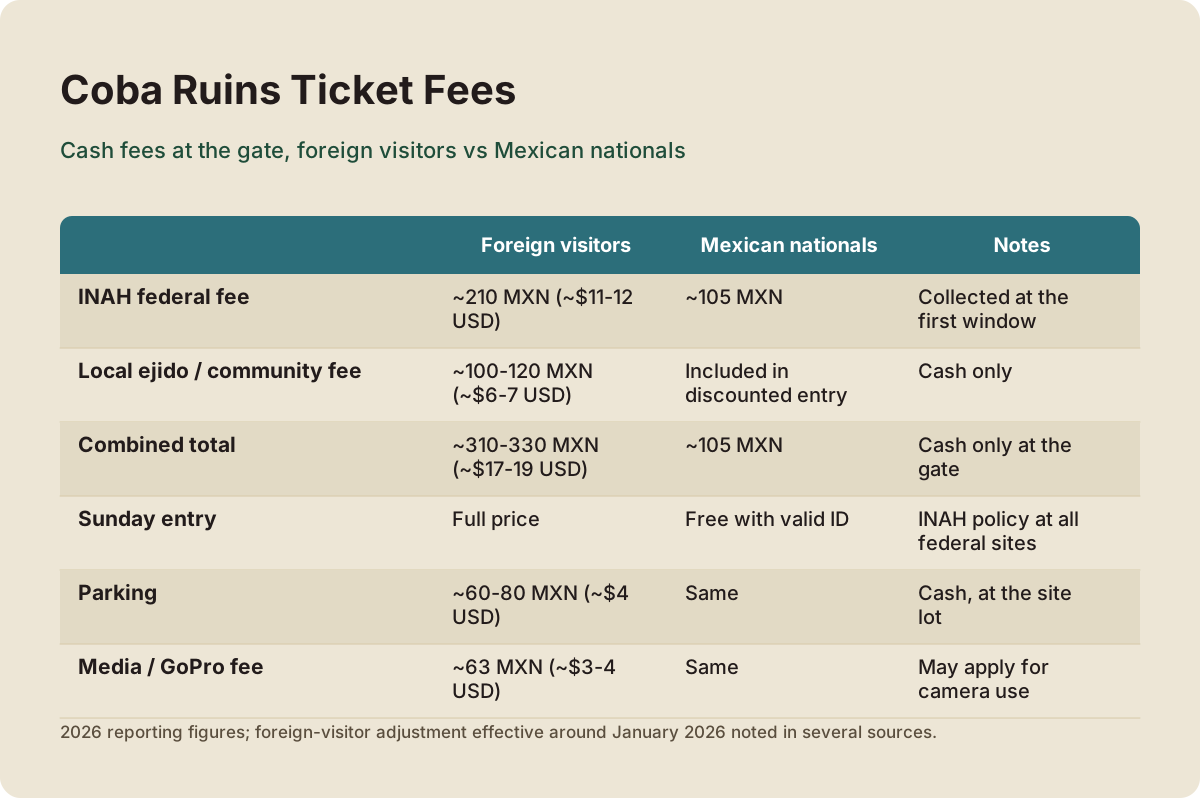
Foreign visitors pay two separate cash fees at Coba: roughly 210 MXN for the INAH federal ticket plus roughly 100 to 120 MXN for the local ejido or community ticket, a combined total of about 310 to 330 MXN (roughly $17-19 USD). Mexican nationals and residents pay a discounted INAH rate of about 105 MXN and enter free on Sundays with valid ID.
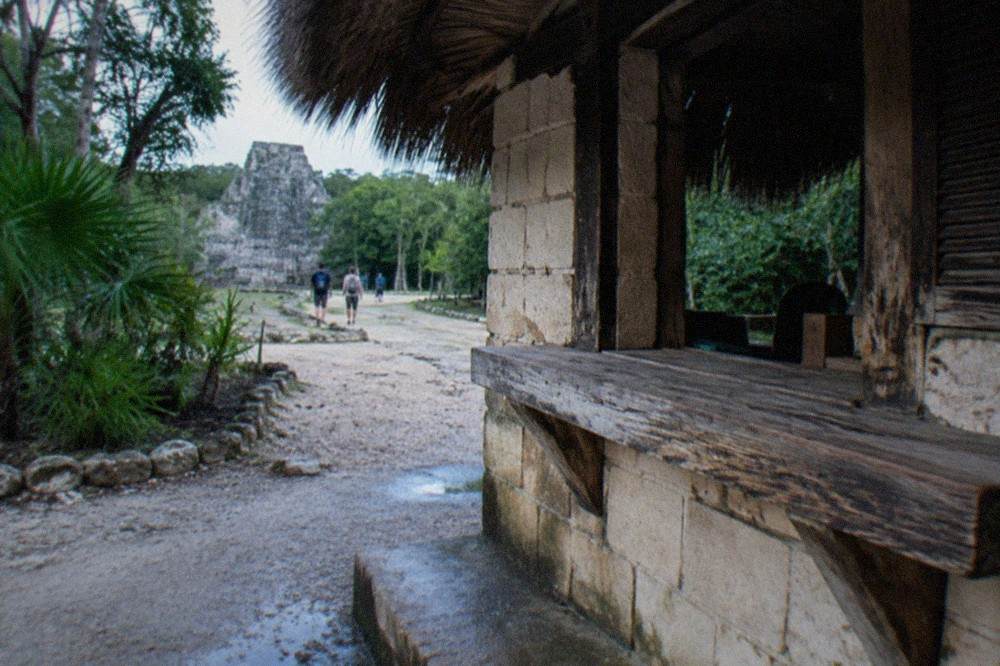
The two-ticket structure is the detail that trips people up. The first window collects the federal INAH fee, the same kind of fee charged at Tulum and Chichen Itza. The second collects a community fee that goes to the local ejido, the communal landholders around the site. You pay both, in cash, at separate points near the entrance. Cards are not reliably accepted, and there is no dependable ATM at the gate, so arrive with pesos in hand.
These figures are current reasonable figures with minor source variance across 2026 reporting, not fixed unchangeable prices. Reporting on the reopening year consistently carries the 210 MXN INAH fee for foreigners and a community fee in the 100 to 120 MXN band, with a foreign-visitor adjustment effective around January 2026 noted in several sources. Confirm on-site, as fees are set by INAH and the ejido and can change.
| Ticket | Foreign visitors | Mexican nationals / residents | Notes |
|---|---|---|---|
| INAH federal fee | ~210 MXN (~$11-12 USD) | ~105 MXN | Collected at the first window |
| Local ejido / community fee | ~100-120 MXN (~$6-7 USD) | Included in discounted entry | Collected separately, cash only |
| Combined total | ~310-330 MXN (~$17-19 USD) | ~105 MXN | Cash only at the gate |
| Sunday entry | Full price | Free with valid ID | INAH policy at all federal sites |
| Parking | ~60-80 MXN (~$4 USD) | Same | Cash, at the site lot |
| Media / GoPro fee | ~63 MXN (~$3-4 USD) | Same | May apply for camera use |
The Sunday free-entry rule deserves a clear statement because it is widely misunderstood. Sunday access is free for Mexican nationals and foreign residents with valid official ID, per longstanding INAH policy. It is not free for foreign tourists, who pay full price every day of the week. The practical effect for visitors is that Sundays are among the busier days at the site, since local families take advantage of the free entry.
What Are The Coba Ruins Opening Hours?
Coba opens daily from 8:00 to 17:00, with last entry around 16:00. The Nohoch Mul pyramid climb operates on a stricter schedule, typically 8:00 to 15:30, and the site does not close weekly on any day. Arrive at opening or shortly after for the calmest paths and the coolest air.
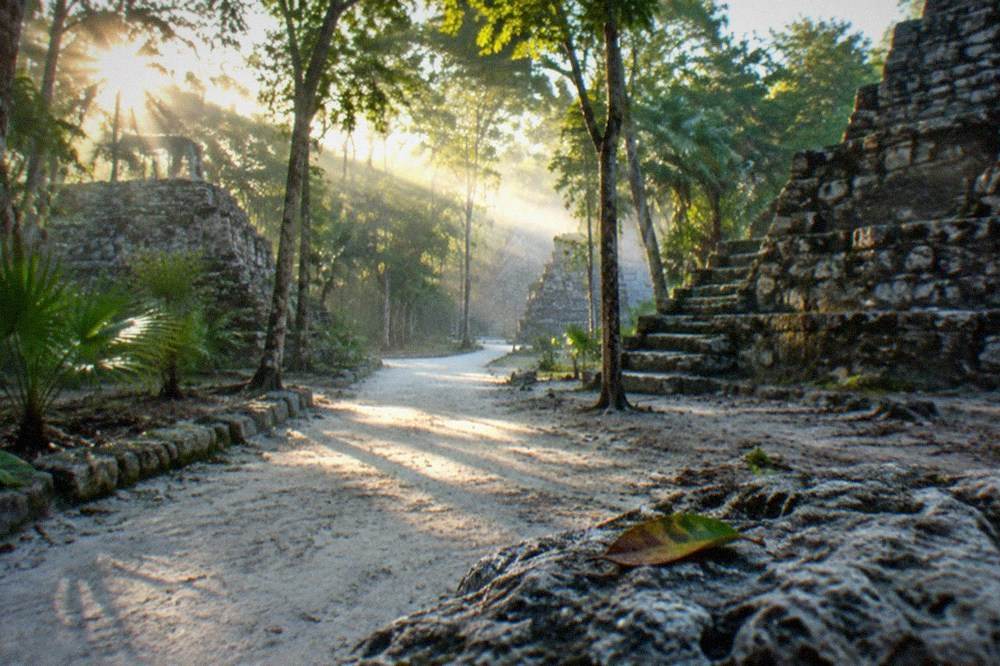
The gap between the site hours and the climb cutoff is the single most common planning mistake at Coba. The site keeps selling entry until about 16:00, but the pyramid staircase stops taking climbers around 15:30. A visitor who arrives at 14:30 can still buy tickets, walk or ride the jungle paths, and see the structure groups, but the climb itself will be closed or nearly closed by the time they reach Nohoch Mul, which sits deep in the site.
Mornings serve Coba better than afternoons for three compounding reasons. The heat builds fast under the jungle canopy by midday, the climb queue grows through the morning as tour groups from Cancun and the Riviera Maya land, and the small-group climbing regulation means only 14 to 15 people go up at a time. Arriving at 8:00 puts you near the front of all three problems at once.
| Time | What is open | What to expect |
|---|---|---|
| 8:00-9:30 | Full site, climb window open | Coolest air, shortest climb queue |
| 9:30-12:00 | Full site, climb window open | Tour groups arriving, paths busier |
| 12:00-15:00 | Full site, climb window open | Peak heat and peak crowds |
| 15:00-15:30 | Climb window closing | Last climbers go up |
| 15:30-16:00 | Site open, climbing closed | Last entry still possible |
| 16:00-17:00 | Exit only | Site empties toward closing |
Coba also compares well against the region's other big sites on schedule pressure. Tulum's archaeological zone runs 8:00 to 17:00 with last entry at 15:30, and Chichen Itza typically runs 8:00 to 16:00 or 17:00 depending on the season. If you are weighing the two on more than the clock, the comparison of Coba or Tulum for your day trip breaks down the tradeoffs in scenery, size, and climbing.
If handling two cash windows and a climb cutoff sounds like work you would rather not do on holiday, a tour takes the fee logistics off your plate entirely. The three options below are the strongest Coba-inclusive picks on this site's lineup, from a Riviera Maya combo with lunch to a Cancun-departing day trip and a ten-hour small-group option.
Can You Still Climb The Nohoch Mul Pyramid?
Yes. Nohoch Mul reopened to climbers around December 8, 2025 after roughly six years closed, using a new wooden staircase built over the original stone steps. Access is regulated: small groups of 14 to 15 people, a climbing window of roughly 8:00 to 15:30, a 15-minute summit limit, and closed-toe shoes with grip required.
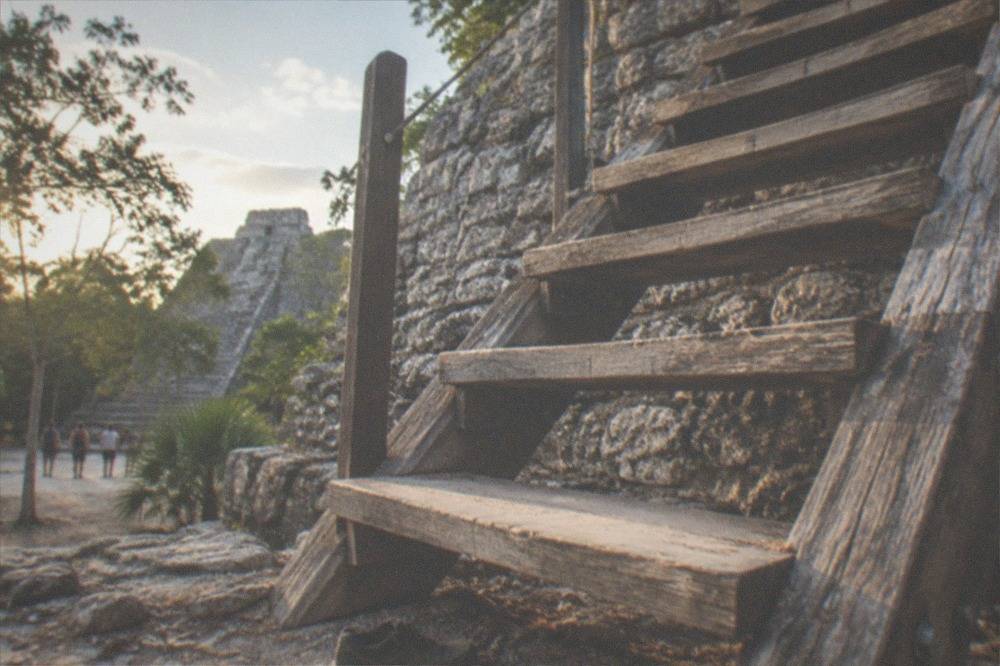
The reopening made Coba the only major pyramid in the region where climbing is permitted, and that fact alone now drives a large share of the site's appeal. Tulum's structures have never been open to climbing, and El Castillo at Chichen Itza has been climb-banned since 2006, a ban still fully enforced. Nohoch Mul stands about 42 meters, roughly 138 feet, making it the tallest Maya pyramid structure in the Yucatan, and the summit view over the flat jungle canopy is the reward.
The rules are not suggestions. The wooden staircase protects the original steps, the small-group limit manages the staircase load, and the 15-minute summit limit keeps the queue moving. Staff at the base enforce the closed-toe shoe requirement, so sandals with straps do not pass, and the climb cutoff at about 15:30 is firm even when the site itself is still admitting visitors. Reporting on the reopening rules is consistent across 2026 sources, and detailed coverage of the Nohoch Mul reopening carries the same operating parameters.
| Climbing rule | Detail |
|---|---|
| Structure | Nohoch Mul, ~42 m (~138 ft), tallest in the Yucatan |
| Staircase | New wooden stairs over the original ~120 stone steps |
| Group size | 14-15 climbers at a time |
| Climbing window | ~8:00-15:30 daily |
| Summit limit | ~15 minutes |
| Footwear | Closed-toe shoes with grip required |
| Contrast | Only major regional pyramid where climbing is permitted |
For the full story on the closure years, the reopening, and how the rules work in practice, the dedicated page on whether you can still climb Coba ruins goes deeper than this summary. The short version for ticket planning: the climb is included in your site entry, it carries no extra fee, but it runs on its own clock and its own shoe policy.
How Much Do Bike And Pedicab Rentals Cost At Coba?
Self-pedal bicycle rental at Coba runs roughly 60 to 100 MXN, and driver-pedaled tricycle taxis, often called Mayan Limos, run roughly 140 to 200 MXN for two people round trip. Rentals are strongly recommended: the structure groups sit 1 to 2 km apart along jungle paths, and walking the full circuit in the heat exhausts most visitors.
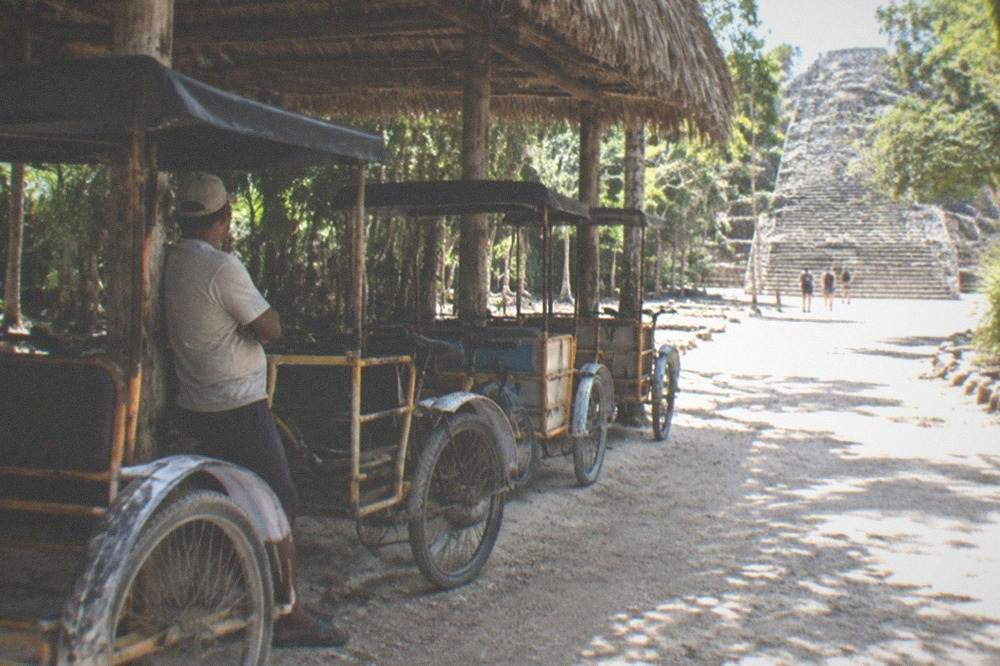
Coba is not a compact site. The ancient city covered a far larger area than Chichen Itza's core, with structure groups strung along raised white roads called sacbeob, and the distances between the groups that are open to visitors run over a kilometer in places. The rental stands sit just inside the entrance, prices are posted, and payment is cash like everything else at the site.
The tricycle option deserves more attention than it gets. A driver pedals, you and a companion ride a bench seat facing forward, and many drivers narrate the route as they go, which effectively turns the ride into a low-key guided loop. For visitors with limited time before the climb cutoff, the pedicab is the fastest way to reach Nohoch Mul from the entrance and still have legs left for the staircase.
| Rental type | Typical price | Notes |
|---|---|---|
| Self-pedal bicycle | ~60-100 MXN (~$3-6 USD) | Per bike, posted prices, cash |
| Tricycle taxi / pedicab | ~140-200 MXN (~$8-11 USD) | For two people, often round trip |
| Driver commentary | Included | Many pedicab drivers narrate |
| Walking | Free | 1-2 km+ between groups, exposed to heat |
Budget the rentals as part of your ticket math. A foreign visitor who rents a bike adds roughly 60 to 100 MXN to a 310 to 330 MXN entry total, and a couple taking a pedicab adds roughly 140 to 200 MXN. None of it is refundable or card-friendly, so bring more pesos than you expect to need, and treat the posted prices at the stand as the ones that count.
How Do You Get To Coba From Tulum?
Coba sits about 42 to 48 km northwest of Tulum, roughly 26 to 30 miles, and the drive takes about 39 to 56 minutes depending on traffic, commonly cited as around 45 minutes. There is no direct ADO bus to the site gate; independent travelers drive, take a taxi, or join a tour with transport included.
The route from Tulum is a straightforward road heading inland from the coast, and the drive time range mostly reflects traffic on the access road rather than the highway itself. Independent drivers should budget for the site parking fee of roughly 60 to 80 MXN in addition to the entry tickets, and should note that the last stretch of the schedule that matters, the 15:30 climb cutoff, starts ticking from the moment you leave Tulum. A leisurely 10:00 departure does not leave much climb margin.
For travelers without a car, the tour route is the practical one. The Coba-plus-Tulum combos on this list all include round-trip transport, which removes the driving, the parking fee, and the timing arithmetic in one move. The Riviera Maya-departing combo that pairs Coba with Tulum, Cenote Mariposa, a Mayan traditions demonstration, and lunch runs from $61 and carries a 4.5 rating from 94 reviews, with transport and both guided ruins visits included in the headline price.
For a deeper, quieter day, the small-group option that chains Coba with the Multun Ha cenote and a Mayan museum visit runs 10 hours, with entrance fees split between sites, so check the tour page for what's covered and the current price. It carries a 4.5 rating from 774 reviews, one of the larger review pools among Coba-inclusive tours on this list.
What Is The Best Time Of Day To Visit Coba?
Arrive at the 8:00 opening, ideally on a weekday. The window from opening until about 10:00 offers the coolest air, the shortest pyramid-climb queue, and the thinnest crowds on the sacbeob paths before tour buses from Cancun and the Riviera Maya land in volume. Avoid midday heat and the 11:00 to 14:00 peak.
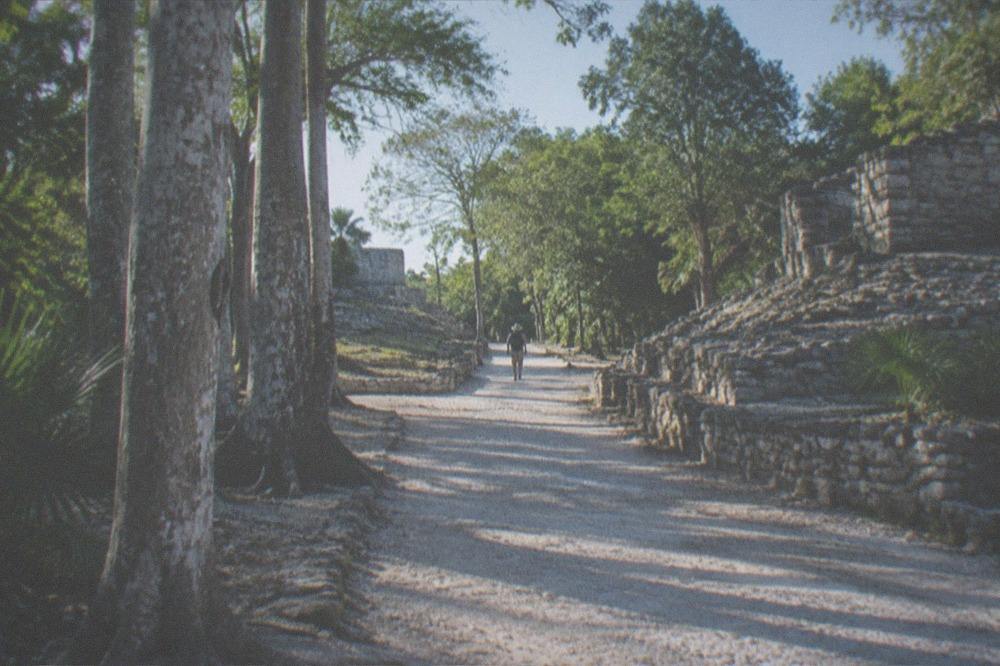
The crowding pattern at Coba follows the bus schedules. Groups departing Cancun and the Riviera Maya around 7:00 to 8:00 arrive from about 10:00 onward, and the middle of the day carries both the people and the heat. Early arrivals get the site nearly to themselves, a real difference at a place where the jungle paths are half the experience. Weekends add local family traffic on top, sharpened on Sundays by free national entry.
Season matters less at Coba than at coastal sites, since the jungle canopy shades the paths, but the dry season from roughly November to April still makes for a more comfortable walk and climb. The rainy season, June to November, brings hotter, more humid conditions and afternoon showers that can make the wooden staircase slippery. If your dates are flexible, the dry season wins; if they are not, the early-morning rule matters even more.
| Arrival time | Crowd level | Heat | Climb queue | Verdict |
|---|---|---|---|---|
| 8:00-9:30 | Low | Coolest | Short | Best window |
| 9:30-11:00 | Building | Warm | Growing | Good |
| 11:00-14:00 | Peak | Hottest | Long | Avoid if possible |
| 14:00-15:30 | Thinning | Hot | Closing at 15:30 | Climb at risk |
| After 16:00 | Entry closed | Cooling | Closed | Too late |
Should You Book A Guided Tour Or Pay At The Gate?
Pay at the gate if you have a car, pesos, and a morning start; the two windows, the bike rental, and the climb are all manageable independently. Book a tour if you are coming from Cancun or the Riviera Maya, want the fees and timing handled, or want Coba paired with a cenote, lunch, or a second ruins site in one day.
The self-guided route costs less in cash terms: roughly 310 to 330 MXN entry plus 60 to 100 MXN for a bike, plus transport. What it costs instead is planning attention, the cash supply, the drive, and the climb-cutoff arithmetic. On-site independent guides are available at the entrance and are genuinely useful at Coba, since signage across the spread-out site is limited, though their per-group rates are not consistently published in current sources, so agree the price before starting.
The tour route converts all of that into a single booking. Beyond the two combos already covered, a private option from Cancun pairs Coba with Tulum over 9 to 11 hours from $347.83, with both ruins entrances, a buffet lunch, private transport, and a private guide included, and it carries a 5.0 rating from 27 reviews. It is the highest headline price among the tours on this site, and the private format is what you are paying for.
For help choosing between the independent and guided routes in more depth, the site's comparison of guided versus self-guided Tulum ruins visits lays out the same tradeoff for the region's most-visited site, and the reasoning transfers to Coba almost line for line. The one Coba-specific twist is the climb cutoff: a tour driver who knows the 15:30 rule is worth real money on a day when you want the summit view.
Whichever route you take, the numbers to hold in your head are three: about 310 to 330 MXN in cash for entry as a foreign visitor, 8:00 for the opening that beats the crowds, and 15:30 for the climb cutoff that ends the day's main event. Everything else at Coba, from the bikes to the pedicabs to the parking, is a smaller decision that can be made on the spot.
If you are still deciding whether the site earns the day at all, the honest answer is that Coba rewards two kinds of visitors most: those who want to climb a pyramid, which nowhere else in the region currently offers, and those who want jungle immersion over restored grandeur. The assessment of whether the Coba ruins are worth seeing weighs exactly that, and the Coba and Tulum combo planning guide covers pairing both sites in a single day if that is the shape of your trip.
For a wider view before committing, this site, Tulum Ruins Tours, carries the full lineup of Coba-inclusive day trips alongside the region's other ruins options, from Muyil's biosphere paths to Chichen Itza day trips departing Tulum. The three picks below are the ones this page's planning most naturally leads to.
Common Questions About Coba Ruins Tickets And Hours
How much does it cost to enter Coba ruins?
Foreign visitors pay two cash fees totaling roughly 310 to 330 MXN (about $17-19 USD): around 210 MXN to INAH plus 100 to 120 MXN to the local ejido. Mexican nationals and residents pay about 105 MXN and enter free on Sundays with valid ID. Fees can change, so confirm on arrival.
What time do the Coba ruins open and close?
Coba is open daily from 8:00 to 17:00, with last entry around 16:00. The site does not close on any weekday. The Nohoch Mul pyramid climb closes earlier, around 15:30, so plan entry accordingly if climbing is the goal.
Can you still walk up Coba ruins?
Yes, Nohoch Mul reopened to climbers around December 2025 after a roughly six-year closure. Access uses a new wooden staircase, with small groups of 14 to 15 people, a roughly 8:00 to 15:30 climbing window, a 15-minute summit limit, and closed-toe grip shoes required.
Do the Coba ruins take credit cards?
No, plan for cash only. Both ticket windows, the parking lot of roughly 60 to 80 MXN, and the bike and pedicab rentals all run on pesos. There is no dependable ATM at the gate, so bring cash from Tulum or your hotel.
How much does it cost to rent a bike at Coba?
Self-pedal bicycles run roughly 60 to 100 MXN, and driver-pedaled tricycle taxis run roughly 140 to 200 MXN for two people, often round trip. Rentals are strongly recommended because the structure groups sit 1 to 2 km apart along jungle paths.
Is Sunday free at Coba ruins?
Only for Mexican nationals and foreign residents with valid official ID, per longstanding INAH policy. Foreign tourists pay full price every day, including Sundays. As a result, Sundays tend to be busier with local visitors.