Chichen Itza From Tulum: The Complete Guide
Chichen Itza sits about 153 km west of Tulum, a two-hour toll-road drive, and it is the region's one pyramid you cannot climb. This guide covers the real numbers: the combined foreigner entrance fee of roughly 676-697 MXN, the best arrival window, and how the four bookable day tours from Tulum differ.
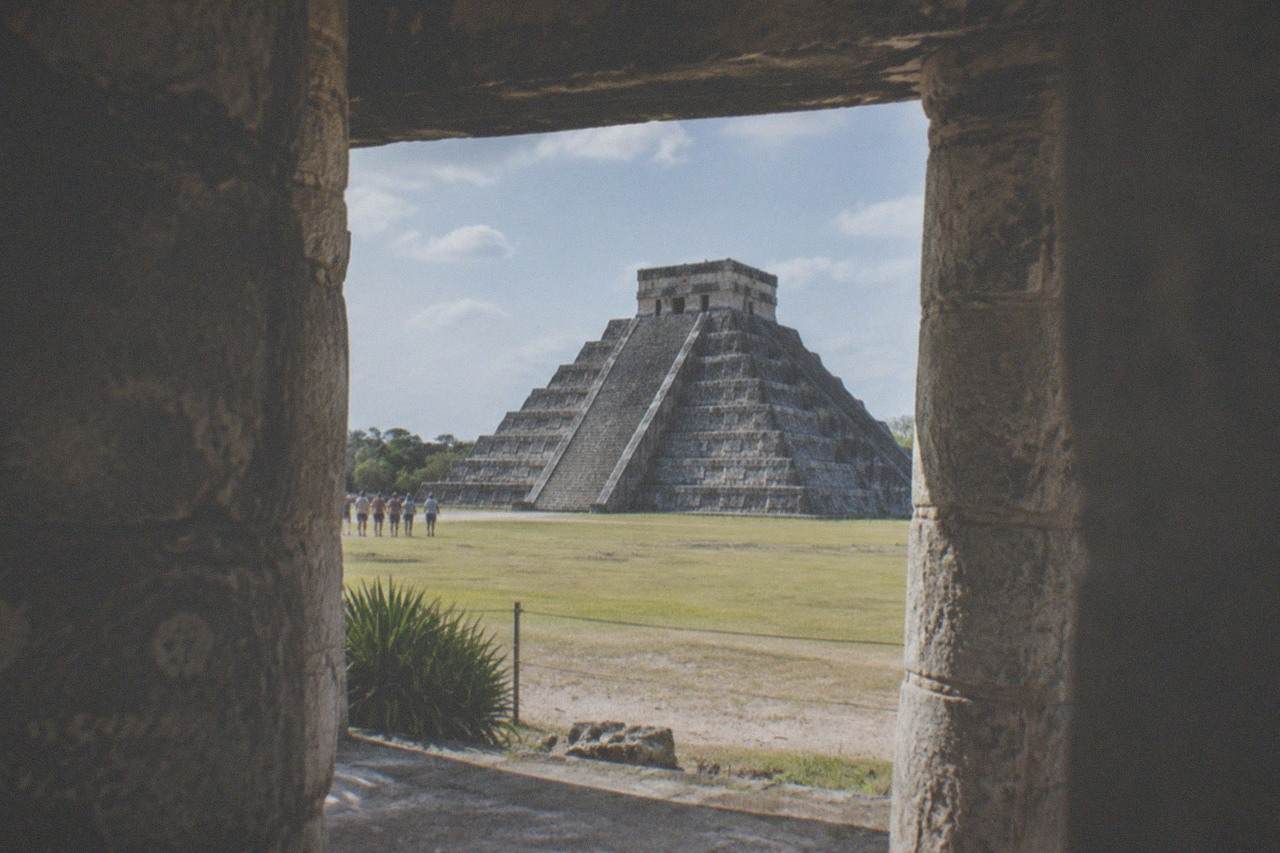
Short answer
Chichen Itza is roughly 153 km from Tulum, about a two-hour drive each way on the 180D toll road. Foreign adults pay a combined entrance fee of roughly 697 MXN, about $35-40 USD. Climbing El Castillo has been banned since 2006. Guided day tours from Tulum run from $90 to $214 per person.
How Far Is Chichen Itza From Tulum And How Long Does The Drive Take?
Chichen Itza lies roughly 153 km, about 95 miles, west of Tulum, and the drive takes about two hours each way on the toll road. The fastest route runs north on Highway 180D toward Valladolid and stays on 180D to the site. Estimates across recent sources range from 131 to 156 km and from just under two hours to about two hours and ten minutes depending on routing and traffic.
The toll road is the route that matters. Free local roads exist, but they add time, pass through towns, and carry heavier traffic, which is the wrong trade for a day trip that already spends four hours of its budget on wheels. Budget for tolls in cash, and note that parking near the site runs about 80 MXN. A realistic door-to-door plan is closer to two and a half hours each way once you include the pickup loop in Tulum and the walk from the parking area to the gate.
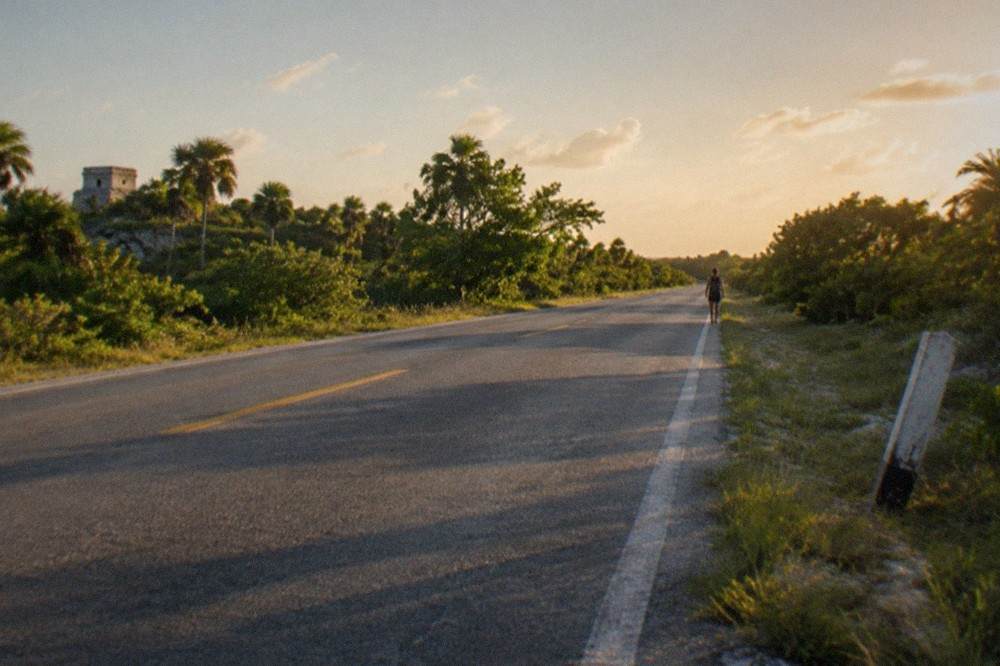
That drive time is the single biggest constraint on the day. A 12-hour tour itinerary is not padding; it is arithmetic. Two hours out, two hours back, three to four hours at the ruins, and a cenote plus lunch stop account for nearly all of it. Anyone promising a relaxed half-day Chichen Itza trip from Tulum is promising something the map does not support. If the drive sounds like too much, the closer alternatives are covered in our mayan ruins near Tulum comparison, which weighs Coba, Ek Balam, and Muyil against the big name inland.
For the drive itself, most tours use air-conditioned minivans and include hotel pickup and drop-off in Tulum. Independent drivers should know that the 180D has limited exits and that fuel and restroom stops are worth planning before the toll section, since services are sparse along it. Drive details and route options are documented at this Tulum-to-Chichen-Itza drive guide, which matches the figures above.
What Does It Cost To Enter Chichen Itza?
Foreign adult visitors pay a combined entrance fee of roughly 697 MXN, about $35-40 USD, split between a federal INAH portion of about 105 MXN and a Yucatan state CULTUR portion of about 592 MXN. Sources vary slightly, with a 676 to 697 MXN range across recent reporting, so treat these as current reasonable figures and confirm at the gate. Mexican nationals pay roughly 298 to 310 MXN on weekdays with ID.
The two-part fee structure is what confuses people at the gate. Depending on how ticketing is running, you may pay at one unified window or at two windows in sequence, and both must be paid to enter. The state portion is the larger of the two for foreigners, which is why the total here is far higher than at Tulum, where the unified fee is 265 MXN. Fees are set by INAH and CULTUR and can change, so confirm on arrival rather than budgeting to the peso.
| Visitor type | Weekday fee | Notes |
|---|---|---|
| Foreign adult | ~697 MXN (~$35-40 USD) | Split ~105 MXN INAH + ~592 MXN CULTUR |
| Mexican national | ~298-310 MXN | Valid ID required |
| Yucatan resident | ~105 MXN | Often exempt from the state portion |
| Children under 13 | Free or INAH rate only | Confirm at the gate |
| Sunday, Mexican citizens | Free with valid ID | Foreign tourists still pay full price |
Two rules worth knowing before you go. Sunday entry is free for Mexican citizens with valid official ID, per INAH's standing Sunday policy; foreign tourists pay the full price every day of the week, including Sundays, and Sundays are among the busiest days precisely because of that national free entry. Also, note what the entrance fee does not cover: most tours from Tulum list it separately or fold it into their price, so read the inclusions on whichever product you book. The fee details are tracked at this Chichen Itza entrance fee breakdown, which matches the 676-697 MXN range.
Which Chichen Itza Tour From Tulum Should You Book?
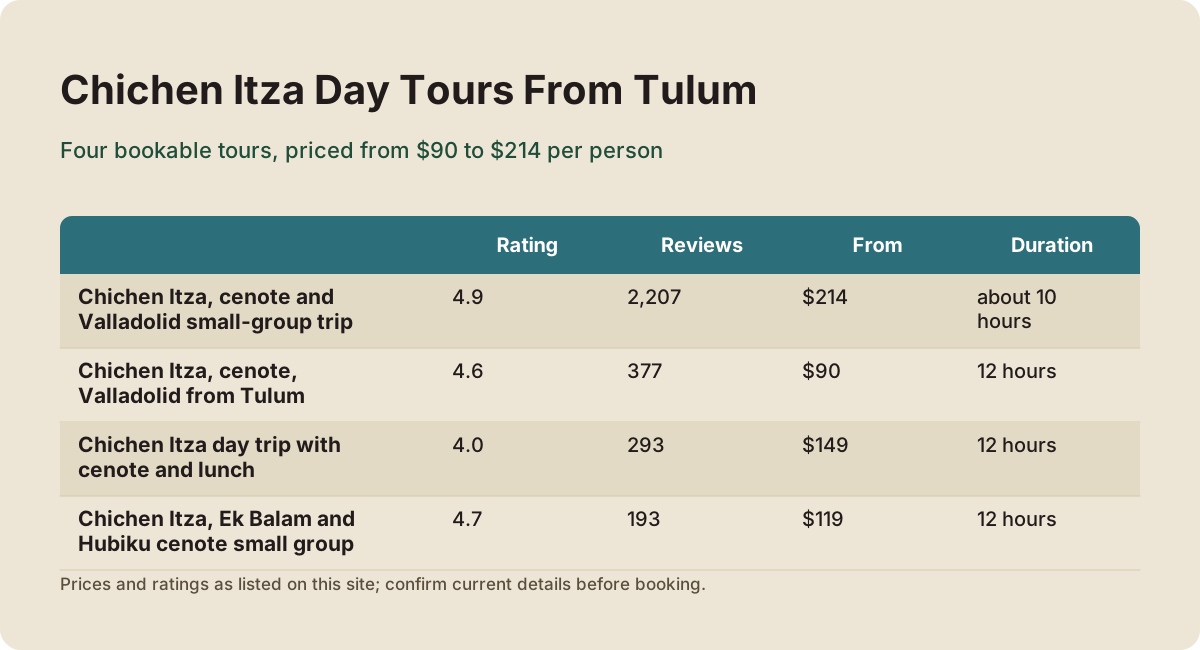
Four bookable day tours connect Tulum to Chichen Itza, priced from $90 to $214 per person. The standouts are the 4.9-rated cenote and Valladolid small-group trip from $214, the most-reviewed Chichen Itza product on this site at 2,207 reviews, and the $90 budget option at 4.6 from 377 reviews. A fourth combines Chichen Itza with Ek Balam and a cenote from $119. All four run about 10 to 12 hours door to door.
The differences come down to inclusions and group size, not the ruins themselves. Every one of these tours visits the same archaeological zone; what varies is whether your price includes the entrance fee, lunch, a cenote swim, and how many strangers share the van.
| Tour | Rating | Reviews | From | Duration | Key inclusions |
|---|---|---|---|---|---|
| Chichen Itza, cenote and Valladolid small-group day trip | 4.9 | 2,207 | $214 | about 10 hours | Tulum hotel pickup, guided ruins visit, cenote swim, lunch |
| Chichen Itza, cenote, Valladolid from Tulum | 4.6 | 377 | $90 | 12 hours | Tulum hotel pickup, bilingual guide, cenote swim stop, buffet lunch |
| Chichen Itza day trip with cenote and lunch | 4.0 | 293 | $149 | 12 hours | Certified bilingual guide, buffet lunch, Tulum pickup and drop-off, cenote visit |
| Chichen Itza, Ek Balam and Hubiku cenote small group | 4.7 | 193 | $119 | 12 hours | AC minivan, water, hotel pickup and drop-off, breakfast |
The small-group cenote and Valladolid trip is the strongest all-round pick in this lineup. It carries a 4.9 rating across 2,207 reviews, which is by far the largest review pool of any Chichen Itza product here, and its roughly 10-hour runtime is the shortest of the four, a real difference when the alternatives are 12 hours on the road. The tour includes Tulum hotel pickup, a guided ruins visit, a cenote swim, and lunch. For a fuller breakdown of the site itself before you commit to the day, read our Chichen Itza planning guide.
The $90 option is the cheapest Chichen Itza headline price on this site and, unusually for a budget product, it throws in a regional buffet lunch and a bilingual guide. Check the listing to confirm what entrances are covered before booking. At 4.6 from 377 reviews it holds its own. The trade is the 12-hour runtime and a larger group format. The $149 trip sits in the middle on price but carries the lowest Chichen Itza rating on this list, 4.0 from 293 reviews, which is still a passing grade from a large pool but worth knowing plainly before booking. It includes a certified bilingual guide, buffet lunch, Tulum pickup and drop-off, and a cenote visit.
The Ek Balam combination is the wildcard. For $119 at 4.7 from 193 reviews, it packs Chichen Itza, the climbable Acropolis at Ek Balam, and the Hubiku cenote into one very long but very full day, with breakfast on board. That is the tour to pick if the climbing ban at El Castillo stings and you want a pyramid you can actually ascend the same week.
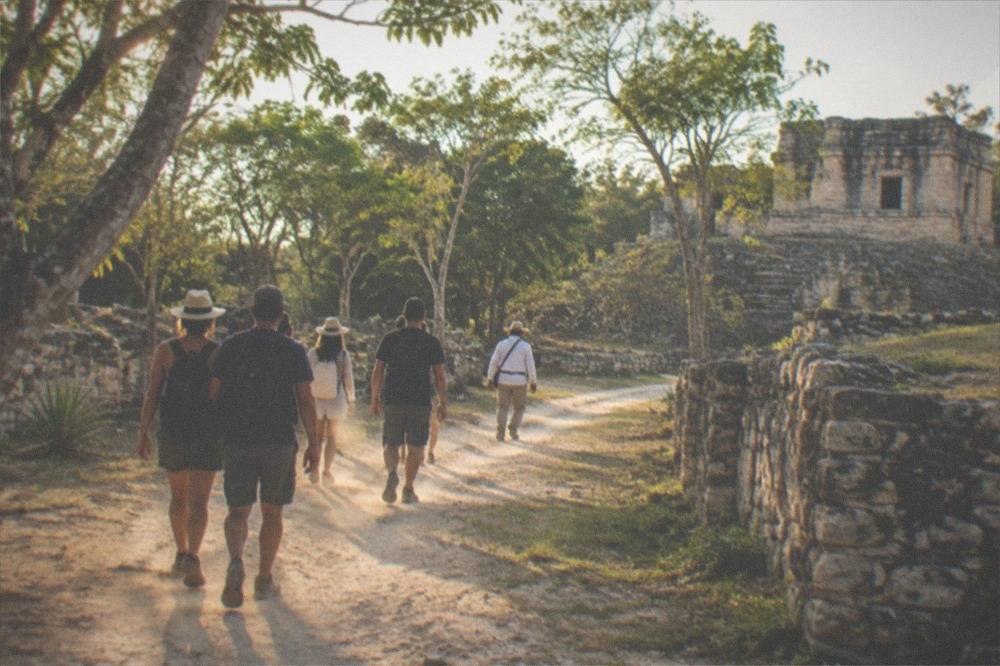
One more comparison worth making before you book: some travelers weigh this day trip against going independent with a rental car. The tolls, parking, fuel, and the entrance fee add up quickly, and you arrive without a guide in a site where the signage is thin and the stories are the point. Our guided tour versus self-guided visit article covers the same trade-off for Tulum's zone, and the logic transfers directly.
Can You Climb The Pyramid At Chichen Itza?
No. Climbing El Castillo, the Pyramid of Kukulkan, has been banned since 2006, and the ban is fully enforced. Barriers keep visitors well back from the steps, and interior access, including the Red Jaguar Throne, remains closed. No other structure at Chichen Itza is open to climbing either. The nearest major pyramid where climbing is currently permitted is Nohoch Mul at Coba.
The 2006 ban followed a fatal accident and exists to protect both visitors and the structure itself, since foot traffic was eroding the stone steps. Enforcement is not casual: staff monitor the barriers, and the rule is one of the first things any guide mentions at the site. Visitors are held back from the base, with some reports describing a roughly 15-meter minimum distance. If standing on a Maya pyramid is the goal, that goal points elsewhere.
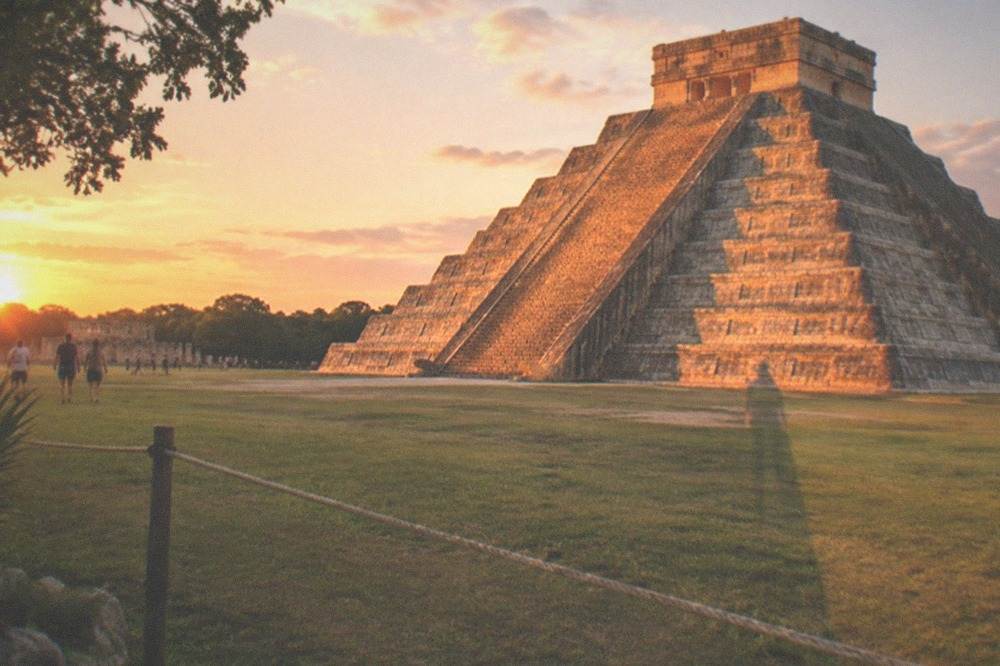
The honest regional picture is this. Tulum's structures are not open to climbing. Chichen Itza's are not either. Coba's Nohoch Mul reopened to climbers around December 2025 after a roughly six-year closure, with a new wooden staircase, small groups of 14 to 15 at a time, a climbing window of roughly 8:00 to 15:30, a 15-minute summit limit, and closed-toe grip shoes required. Ek Balam's Acropolis, El Trono, is also climbable via steep stone steps with a rope assist. The full rules are documented at this Chichen Itza rules guide, and the Coba contrast is covered in our piece on whether you can still climb Coba ruins.
This matters for itinerary planning more than most guides admit. Plenty of visitors arrive at Chichen Itza expecting to climb and leave disappointed, and the disappointment is avoidable. If climbing matters to you, either add Coba or Ek Balam to your trip or choose the Ek Balam combination tour above, which puts a climbable pyramid in the same day.
What Is The Best Time Of Day To Arrive At Chichen Itza?
Arrive at opening, 8:00 AM, ideally between 7:45 and 8:15 on a weekday, with Tuesday through Thursday the calmest days. The quiet window lasts until roughly 10:00 to 10:30 AM, before tour buses from Cancun and Playa del Carmen arrive in volume. Midday, 11:00 AM to 2:00 PM, brings peak crowds, peak heat, and peak vendor activity. Equinox days around March 20-21 and September 22-23 draw very large numbers.
For a Tulum departure, that opening window is achievable but tight. A 5:30 to 6:00 AM pickup gets you to the gate for opening, and the tours that advertise early starts are the ones that deliver the calm experience. The budget-friendly alternative is the opposite play: arrive late afternoon, after the buses leave, though that trades crowds for heat and a compressed visit, since last entry typically falls around 15:00 to 16:00.
| Arrival window | Crowds | Heat | Trade-off |
|---|---|---|---|
| 7:45-8:15 AM | Lowest | Mild | Requires very early Tulum pickup |
| 8:15-10:00 AM | Low to building | Warming | Best overall balance |
| 10:30 AM-2:00 PM | Peak | Peak | Avoid if you have any flexibility |
| After 3:00 PM | Thinning | Hot, fading light | Short visit, last entry approaches |
Heat is the hidden variable in that table. Chichen Itza's great lawn offers almost no shade, and midday temperatures plus humidity make the unshaded walk between temple groups genuinely draining, especially for families with children. Hydration matters more here than at any other site in the region because of the exposure. Bring more water than feels reasonable.
The season matters too. The dry season, roughly November to April, brings lower humidity and less rain, which is why it is the widely recommended window for ruins visits across the Yucatan. The rainy season, June to November, is cheaper and less crowded but hotter, more humid, and prone to afternoon storms. Sargassum, which dominates so much Tulum beach conversation, affects the coast and not the inland ruins.
What Should A One-Day Chichen Itza Itinerary From Tulum Look Like?
A realistic day runs 10 to 12 hours: a 5:30 to 7:00 AM pickup in Tulum, a two-hour drive, three to four hours at the ruins, then a cenote swim and lunch, often with a stop in colonial Valladolid, before the two-hour drive back. Ek Balam is the common third stop on the most ambitious versions. Trying to compress the day below 10 hours means cutting the ruins visit itself.
The standard shape works because the geography cooperates. Valladolid sits roughly on the return route, and the cenotes cluster around the highway corridor between the ruins and town, so the add-ons cost surprisingly little extra driving. A typical sequence is ruins first, while energy and morning cool last, then the cenote to wash off the heat, then lunch, then a short Valladolid walk before the drive home.
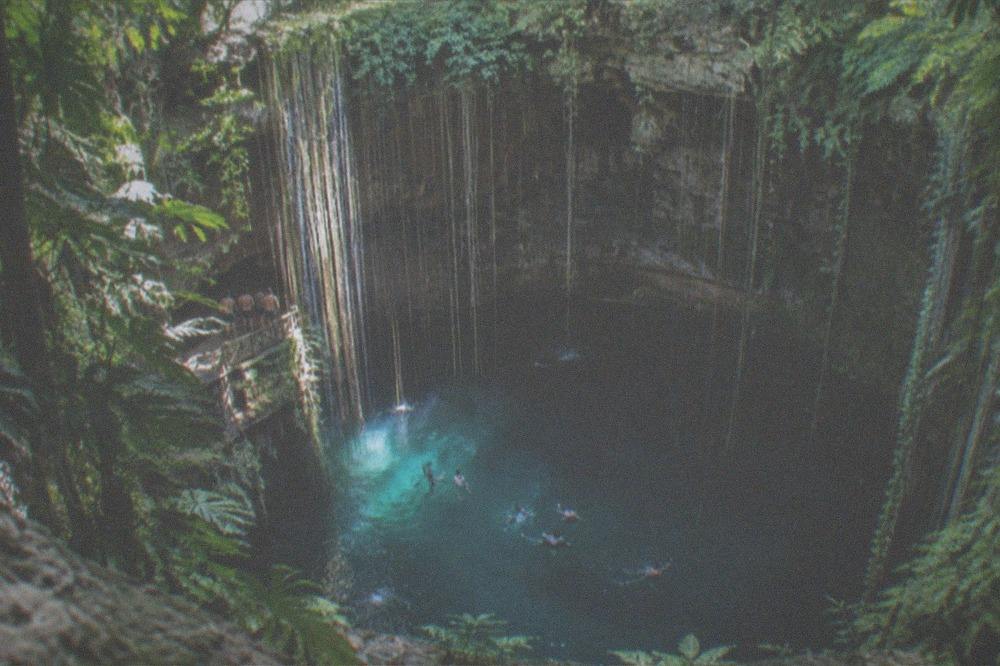
Inside the site, budget your two to three hours deliberately. El Castillo anchors everything, and the midday sun alignment on the staircase is visible from the barrier line. The Great Ball Court, the Temple of the Warriors with its forest of columns, the Sacred Cenote, and the Observatory form the core loop. A guide earns their fee here: the site's signage is minimal, and the astronomy, the ball game, and the Toltec-influenced architecture are the parts you cannot see. The cenote inside the archaeological zone is a ceremonial sinkhole, not a swimming hole, which is why every tour pairs the ruins with a separate swimmable cenote elsewhere.
The budget $90 tour covers the classic shape, Chichen Itza plus a cenote plus Valladolid, with entrances and a buffet lunch included, at 4.6 from 377 reviews. It is the cheapest way to buy the full itinerary rather than just the drive.
For travelers who want the ruins plus a climbable pyramid, the Ek Balam and Hubiku cenote small-group tour from $119, at 4.7 from 193 reviews, is this list's answer: breakfast on board, then Chichen Itza, then Ek Balam's rope-assisted Acropolis, then the cenote, in one very full 12-hour day.
Is Chichen Itza From Tulum Worth The Day Trip?
For most travelers, yes, provided the day is planned around its real costs: four hours of driving, a roughly 697 MXN foreigner entrance fee, and no climbing. What you get is the region's most iconic and most heavily restored Maya city, a UNESCO World Heritage site, with a review pool on this site's most-reviewed product of 2,207 ratings averaging 4.9. Travelers who hate long drives or want solitude should pick Coba, Ek Balam, or Muyil instead.
The case against is honest and worth stating. It is the longest day trip on this site's menu. It is the most expensive entrance fee of the five major ruins. It is the most crowded. And the pyramid that draws everyone cannot be climbed, viewed only from behind barriers. A traveler with three days in Tulum who spends one of them on Chichen Itza has spent a third of the trip on a single inland site.
The case for is equally honest. Nothing else in the region matches El Castillo's scale and restoration, and the site's astronomy and ball-court stories are the deepest in the Yucatan. The tours solve the logistics completely: pickup at your Tulum hotel, the toll road, the guide, the lunch, the cenote, the drive home. The full argument, including who should skip it, is in our is Chichen Itza worth it article, and this Tulum Ruins Tours guide sits alongside it to handle the planning mechanics.
If the crowds or the climbing ban are dealbreakers, two nearby reads help: our Ek Balam from Tulum guide covers the quieter, climbable alternative about 121 to 130 km away, and our piece on whether Chichen Itza is closed addresses the access rumors that circulate every season. The site is open, the ban is on climbing only, and the day trips run daily.
Common Questions About Chichen Itza From Tulum
is 2 hours enough for chichen itza?
Two hours covers the core loop of El Castillo, the Great Ball Court, the Temple of the Warriors, and the Sacred Cenote at a brisk pace, but it leaves no time for a guide's full commentary, shade breaks, or the midday heat. Three to four hours is the comfortable standard, and the day tours from Tulum budget accordingly. Two hours works only for visitors who arrive at opening and already know what they want to see.
why can't you go inside chichen itza?
Climbing and interior access at El Castillo have been banned since 2006, after a fatal accident and ongoing erosion of the stone steps. Barriers now hold visitors back from the base, and the interior, including the Red Jaguar Throne, is closed. The ban applies to the other structures at the site as well. The nearest major climbable pyramids are Nohoch Mul at Coba, reopened around December 2025, and Ek Balam's Acropolis.
is chichen itza closed?
No. The site operates daily, typically 8:00 AM to 4:00 or 5:00 PM, with last entry around 3:00 to 4:00 PM. What is closed is climbing on El Castillo, which has been banned since 2006, and that specific restriction is sometimes misread as a site closure. Day tours from Tulum run daily year-round.
is chichen itza mayan or aztec?
Chichen Itza is a Maya city, built and governed by Maya people, though its architecture shows clear Toltec influences, such as plumed serpent columns at El Castillo and the warrior imagery at the Temple of the Warriors. The Toltecs were a central Mexican people, distinct from the Aztecs, and the influences arrived through contact and trade, not Aztec construction.
what is so special about chichen itza?
It is the most heavily restored and most iconic Maya city in the Yucatan, a UNESCO World Heritage site, and home to El Castillo, a pyramid whose staircase casts a serpent-shaped shadow at the equinoxes. Its Great Ball Court is the largest known in Mesoamerica, and its Observatory reflects advanced Maya astronomy. No other site in the region combines that scale, restoration, and name recognition.