Why Is It Forbidden To Climb The Mayan Pyramid?
The real reasons behind the climbing bans at Chichen Itza and Tulum, how Coba reopened its pyramid climb with strict rules, and where climbing is still allowed in the Yucatan.
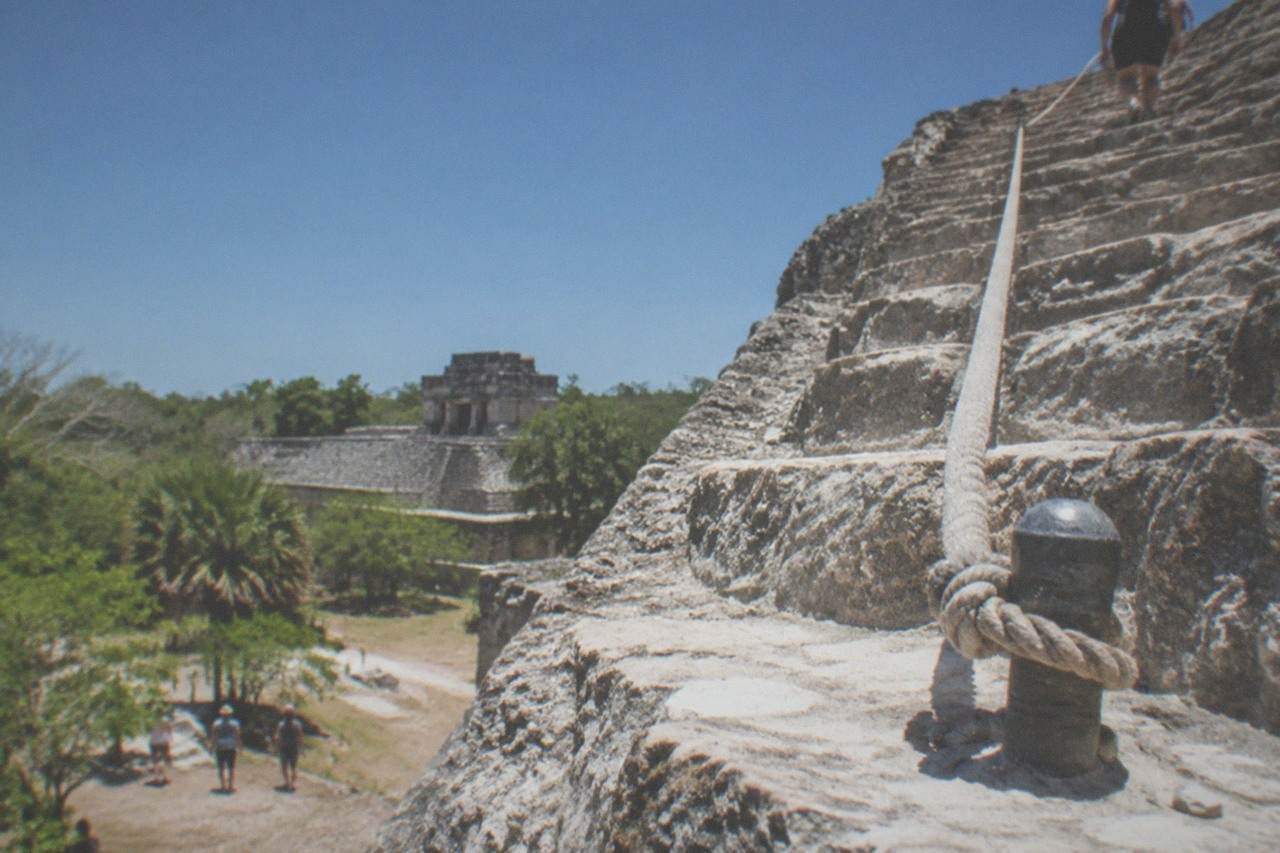
Climbing a Mayan pyramid is the single most misunderstood rule in the Yucatan. Travelers arrive expecting to scramble up El Castillo at Chichen Itza the way their guidebooks from a decade ago described, only to find barriers, signs, and guards. Then they hear Coba reopened its climb and assume the bans are arbitrary. They are not. Each closure, each reopening, and each rope-assisted staircase traces back to two things: the physical fragility of limestone architecture and the safety record of the structures themselves.
Why Is It Forbidden To Climb The Mayan Pyramid?
Climbing is forbidden because limestone pyramids erode under foot traffic and because falls from steep, weathered staircases have killed and injured visitors. Chichen Itza banned climbing El Castillo in 2006 after a fatal accident, and the ban protects both the structure and the people. The rule is site-specific, not universal, so Coba and Ek Balam still allow regulated climbs.
The two reasons get repeated everywhere but rarely explained. Erosion is the first. Maya pyramids are built of limestone blocks, often covered in stucco or exposed stone that has sat in tropical rain and sun for over a thousand years. Limestone is soft. Every footstep grinds a little more of each step away, and the wear concentrates on the same few tread edges because every climber uses the same line. A staircase that survived centuries of ritual use by trained priests can be worn smooth in a few decades of mass tourism. The climbing rules at Chichen Itza now keep visitors back from El Castillo entirely, barriers holding people at a distance from the base, because even touching the structure was accelerating damage.
Safety is the second reason, and it is the one that actually triggered the 2006 ban at Chichen Itza. El Castillo's staircase is steep, the stones are polished by centuries of rain, and there were no handrails. After a visitor died falling from the pyramid, Mexico's archaeology agency closed the climb. The interior, including the chamber with the Red Jaguar Throne, stayed closed too. The logic is simple: a steep stone staircase is a genuine hazard once you put thousands of tired, dehydrated tourists on it daily.
The important nuance is that "the Mayan pyramid" is not one place. Tulum's structures have never been open to climbing and remain closed. Muyil prohibits climbing on any structure. Coba reopened Nohoch Mul in late 2025 with heavy regulation. Ek Balam permits a climb on its Acropolis with a rope. Understanding the rule means understanding each site.
For most travelers the practical question is not "can I climb" but "how do I see these sites well." A guided day trip handles the logistics and the context. The most-reviewed Chichen Itza option here, a small-group day trip from Tulum with hotel pickup, a guided ruins visit, a cenote swim, and lunch, runs about 10 hours and holds 4.9 across 2,207 reviews, with the price on the listing. Another Chichen Itza headline covers 12 hours with a bilingual guide, entrance, and a regional buffet lunch. For the climbing question specifically, a Coba-focused tour is the one that puts you at a pyramid you can legally ascend.
Why Can't You Climb El Castillo At Chichen Itza?
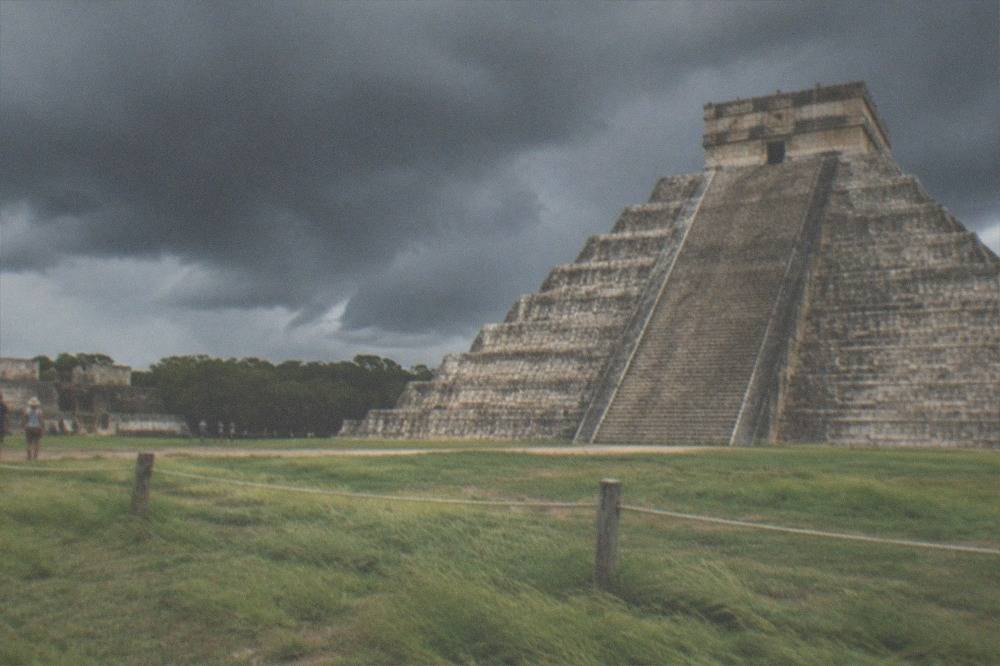
El Castillo has been closed to climbing since 2006, when a fatal fall pushed authorities to end access permanently. The ban is enforced in 2026 with barriers around the base, and the interior chamber, including the Red Jaguar Throne, remains closed. No reopening has been announced and none is expected.
The 2006 decision did not come out of nowhere. Chichen Itza had become one of the most visited archaeological sites in the Americas, and El Castillo, the Pyramid of Kukulkan, was its centerpiece. The staircase had no railings, the stones were worn, and the descent was statistically more dangerous than the ascent. After the fatal accident, the site closed the climb and never reopened it. Erosion concerns sealed the decision: the pyramid's stucco and stone surfaces were visibly degrading under traffic, and the structure doubles as a calendrical monument whose geometry is part of what visitors come to see.
Enforcement today is unambiguous. Barriers hold visitors back from the pyramid, with some reporting keeping people roughly 15 meters from the base. Guides are explicit that climbing, touching, or entering is prohibited, and the other major structures at the site carry the same rule. If you want the deeper background on this specific ban, the companion piece on why you can't climb Chichen Itza covers the history in detail.
The honest framing matters for planning. Chichen Itza is a site you experience from the ground, walking the plaza, reading the serpent shadows on the equinox, and listening to a guide explain the calendar built into the staircase. Visitors who arrive expecting a climb leave disappointed; visitors who arrive expecting the full story of the site do not. The drive from Tulum to Chichen Itza runs about 153 km, roughly two hours on the toll road, so the day trip is a commitment either way.
Booking a small-group day trip with hotel pickup spares you the toll road, the parking, and the fee windows at the gate. The foreign adult entrance fee at Chichen Itza runs roughly 697 MXN (about $35-40 USD), split between the federal INAH portion and the Yucatan state fee, though some sources report a slightly lower 676 MXN figure, so treat these as current reasonable figures and confirm on arrival, since fees are set by INAH and CULTUR and can change. Some tours bundle the entrance, others collect it separately, so check what the tour page includes before you book.
Can You Still Walk Up Coba Ruins?
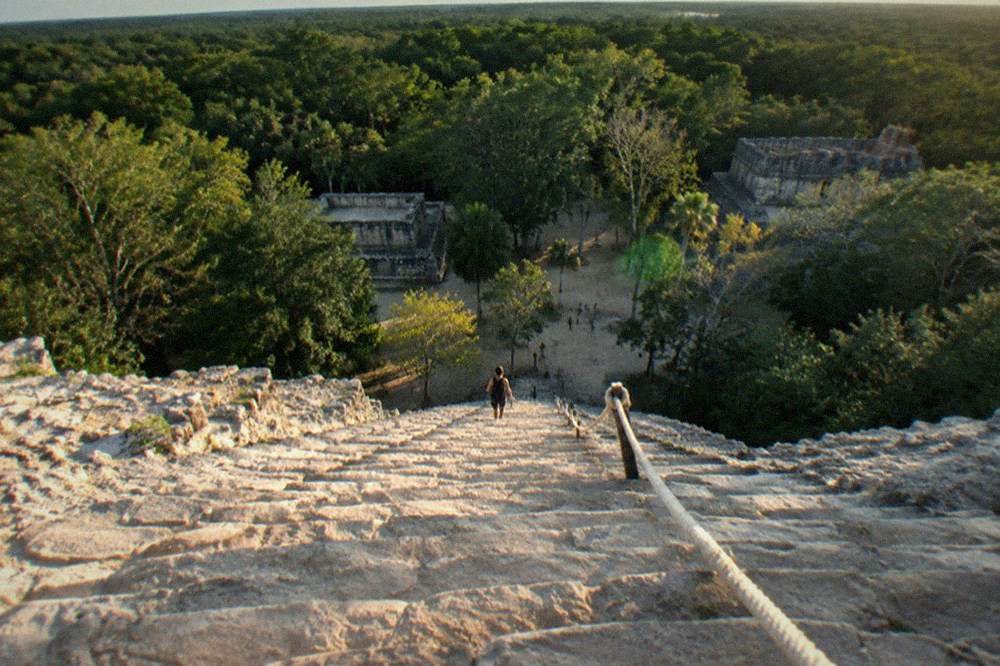
Yes. Coba's Nohoch Mul pyramid reopened to climbers around December 2025 after roughly six years closed, using a new wooden staircase over the original stone steps. Access is limited to small groups of 14-15 people, the climbing window runs about 8:00 to 15:30, and the summit limit is roughly 15 minutes.
Coba is the honest counterweight to the Chichen Itza ban, and it is currently the only major pyramid in the region where climbing is permitted. The reopening was engineered around preservation rather than against it. Instead of letting thousands of feet hit the original 120-odd stone steps, the site installed a wooden staircase that distributes weight and protects the ancient surface underneath. Closed-toe shoes with grip are required, the climb is capped at small groups at a time, and the whole thing shuts down in the afternoon, well before the site itself closes at 17:00. The 2026 reporting on the Nohoch Mul reopening confirms the rules have held through the year.
Nohoch Mul is worth the climb. At 42 meters, about 138 feet, it is the tallest Maya pyramid structure in the Yucatan, and the summit view over flat jungle canopy is unlike anything at the more famous sites. The site around it is enormous, roughly 70-80 square km with over 5,000 mapped structures, most unexcavated and buried, which is why bike and tricycle rentals are a near-necessity to move between the groups. Rental bikes run about 60-100 MXN and pedicabs about 140-200 MXN for two.
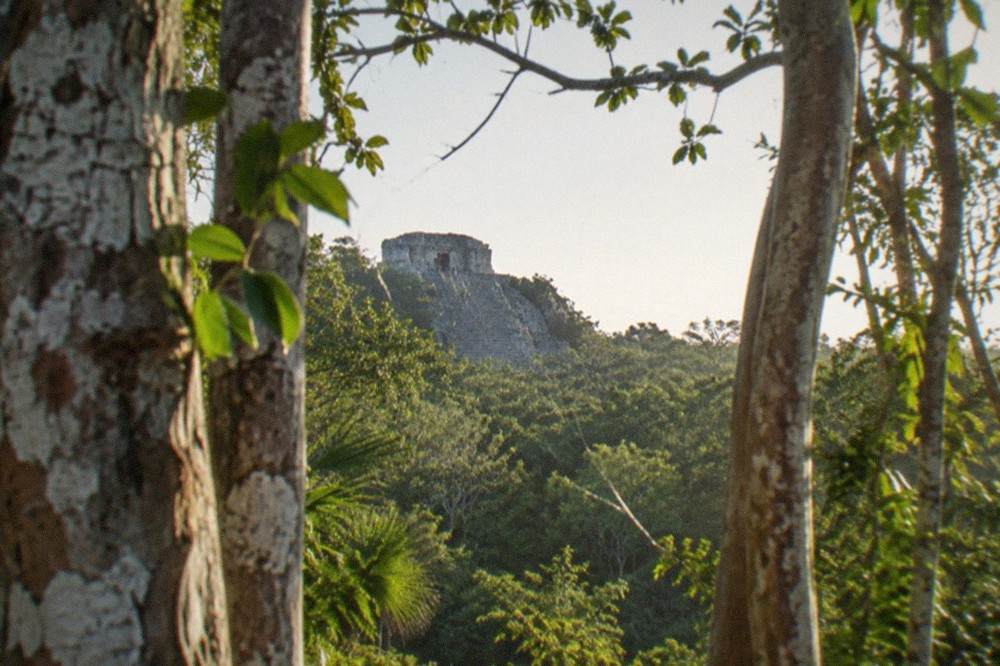
The entrance fee at Coba works on a two-ticket cash system: foreigners pay about 210 MXN to INAH plus 100-120 MXN to the local ejido, a total around 310-330 MXN (roughly $17-19 USD). These are secondary-sourced figures with minor variance across reports, so confirm on arrival. If the climb itself is the reason you are going, the dedicated piece on whether you can still climb Coba walks through timing and logistics.
A tour that pairs Tulum with Coba and a cenote keeps the day efficient. The Punta Laguna option on this list runs 8 hours from $119, rated 5.0 across 532 reviews, and includes transport from Tulum-area hotels, entrance fees, and food, adding a nature reserve and a Mayan family visit on top of the ruins. It is a format contrast to the pure Chichen Itza trips: less iconic architecture, more jungle and climbing.
Is Ek Balam's Pyramid Really Climbable?
Yes. Ek Balam permits climbing the Acropolis, also called El Trono, a structure about 43 meters tall, via steep stone steps with a rope assist. It is a genuine hands-and-feet climb, not a walk-up, and it rewards the effort with close access to preserved stucco friezes near the top.
Ek Balam sits in Yucatan state, roughly 121-130 km from Tulum, a drive of 1.5 to 2 hours via Coba or Valladolid (see Is 2 Hours Enough?). It is the quietest of the major sites, drawing low hundreds of daily visitors against the thousands at Tulum or Chichen Itza, and the INAH site record for Ek Balam lists daily hours of 8:00 to 17:00 with last entry at 16:00. The entrance fee splits between federal and state: INAH charges 105 MXN for nationals and 210 MXN for foreigners, CULTUR adds 132 MXN for nationals and 481 MXN for foreigners, totaling about 237 MXN for nationals and 691 MXN for foreigners. Fees are set by INAH and CULTUR and can change, so confirm on arrival. Parking runs about 100 MXN as a separate ejido fee.
The climb is the point. The Acropolis is steep enough that the rope is not decoration, and the staircase is stone rather than the protective wood at Coba. Near the summit, the facade of El Trono carries some of the best-preserved stucco decoration in the Maya world, including a monumental masked figure you can stand a few meters from, an intimacy impossible at the barrier-ringed El Castillo. A new western section of the Grand Acropolis opened in 2026 with small-group, timed access in places, a sign the site is expanding what visitors can see rather than shrinking it.
The contrast across the three sites is the real lesson of the climbing question. Chichen Itza bans everything and guards the base. Coba reopened with a wooden staircase and group limits. Ek Balam never fully closed its climb and manages it with a rope and common sense. The rules track each structure's condition, traffic, and history, not a blanket policy.
Which Sites Let You Climb And Which Do Not?
Tulum and Muyil prohibit climbing on all structures, Chichen Itza has banned climbing since 2006, Coba allows a regulated climb on Nohoch Mul, and Ek Balam permits a rope-assisted climb on its Acropolis. The rule genuinely varies site by site, so plan around the specific pyramid, not the region.
The table below is the quick reference. Fees are MXN-first with approximate USD ranges; all fees are set by INAH and CULTUR and can change, so confirm on arrival.
| Site | Can You Climb? | Foreign Entrance Fee | Notes |
|---|---|---|---|
| Tulum | No, all structures closed | 265 MXN (roughly $13-15) | Unified gate fee covering INAH and Parque del Jaguar |
| Chichen Itza | No, banned since 2006 | ~697 MXN (roughly $35-40) | Barriers hold visitors back from El Castillo; interior closed |
| Coba | Yes, Nohoch Mul only | ~310-330 MXN (roughly $17-19) | Wooden staircase, groups of 14-15, window ~8:00-15:30, ~15-minute summit limit |
| Ek Balam | Yes, Acropolis/El Trono | ~691 MXN (roughly $35-40) | Steep stone steps with rope assist; new western Acropolis section opened 2026 |
| Muyil | No, marked paths only | 145 MXN (roughly $7-8) | Sits inside the Sian Ka'an biosphere; lagoon float is a separate paid add-on |
Two footnotes on that table. Tulum's fee is the one figure with a confirmed official primary source, the July 2026 federal decree that unified the INAH and Parque del Jaguar charges into a single gate fee of 80 MXN for nationals and residents and 265 MXN for foreigners. Coba's and Chichen Itza's figures are secondary-sourced with minor variance across reports, so treat them as current reasonable figures and verify at the gate. And no swimmable cenote sits inside the Tulum archaeological zone itself; the cenote swims on the combo tours happen at separate inland sites.
Does Climbing Actually Damage The Stones?
Yes, and measurably. Limestone and stucco wear under concentrated foot traffic, and the wear is irreversible: a step polished away by decades of visitors cannot be restored without rebuilding it, which destroys the authenticity archaeologists are trying to preserve. That is why reopened climbs use wooden overlays rather than original steps.
The physics is unglamorous. Limestone is calcium carbonate, soft enough to scratch with a knife. Rain already dissolves a little of it every wet season, which is why exposed surfaces round off and stucco disappears over centuries. Add a few hundred thousand shoe soles per year dragging grit across the same tread edges, and the wear accelerates dramatically. Stucco decoration is even more fragile, which is a large part of why Tulum's Temple of the Frescoes and its murals are viewed rather than touched. At Ek Balam, the preserved facade near the Acropolis summit is accessible but protected by how the visit is managed, small groups, guided flow, and a climb that keeps people on the staircase line.
The 2026 Coba reopening is the clearest demonstration of the principle. The site could have simply reopened the original stone steps. Instead it built a wooden staircase over them, so the feet never touch the ancient surface. The group limits and the 15-minute summit cap are crowd management, but the wooden overlay is preservation engineering. When you read that a climb is "allowed" at Coba, the accurate picture is that a climb is allowed on a modern structure attached to an ancient one.
How Do You See A Pyramid Up Close Without Climbing It?
You hire a guide, arrive at opening, and let the architecture do the work. A certified guide explains the calendar, the equinox light show, and the carvings you would walk past alone, and the sites themselves are best read from the ground. Tours from Tulum bundle the guide, transport, and often a cenote swim.
The ground-level experience at Chichen Itza is genuinely better than the climb would be. El Castillo is a calendrical machine: 91 steps on each of four sides plus the top platform make 365, and on the equinox dates around March 20-21 and September 22-23 the afternoon light casts a serpent shadow down the northern staircase, an event that draws enormous crowds precisely because you view it from the plaza, not from the summit. A certified bilingual guide can walk you through this in 90 minutes better than an hour of solo stair-climbing ever could.
Timing matters as much as the guide. Arriving between 7:45 and 8:15 on a Tuesday to Thursday morning buys a calm window until roughly 10:00, before the buses from Cancun and Playa del Carmen arrive in volume. Midday is the worst of everything: peak crowds, peak heat, and peak vendor activity. The same logic applies at Tulum, where the busiest stretch runs about 10:00 to 15:00 and Sunday is the most crowded day because entry is free for Mexican nationals and foreign residents with valid ID, while foreign tourists still pay full price.
This is where a tour earns its price. The small-group Chichen Itza day trip from Tulum pairs the guided ruins visit with a cenote swim and lunch, about 10 hours from $214, rated 4.9 across 2,207 reviews, with Tulum hotel pickup included. It is the most-reviewed Chichen Itza product on this list, and it exists because the drive, the fee windows, and the timing decisions are exactly the friction travelers underestimate.
If the budget is tighter, the from-$90 option from Tulum runs 12 hours with hotel pickup, a bilingual guide, a cenote stop and a regional buffet lunch. And if the climb itself is the non-negotiable item on your list, the honest answer is to plan around Coba or Ek Balam instead, as laid out above. The team behind Tulum Ruins Tours keeps the full lineup of both on the site, so you can compare formats side by side.
Common Questions About Climbing The Mayan Pyramids
Why Is It Forbidden To Climb The Mayan Pyramid?
Climbing is forbidden to prevent erosion of the soft limestone and stucco surfaces and to protect visitors from falls on steep, weathered staircases. Chichen Itza banned climbing El Castillo in 2006 after a fatal accident. The rule varies by site: Tulum and Muyil prohibit all climbing, Coba allows a regulated climb on Nohoch Mul, and Ek Balam permits a rope-assisted climb on its Acropolis.
Can You Still Walk Up Coba Ruins?
Yes. Nohoch Mul reopened to climbers around December 2025 after roughly six years closed. Access uses a new wooden staircase over the original steps, with small groups of 14-15 people, a climbing window of about 8:00 to 15:30, a roughly 15-minute summit limit, and closed-toe grip shoes required.
Why Can't You Go Inside Chichen Itza?
El Castillo's interior, including the chamber with the Red Jaguar Throne, has been closed since the 2006 climbing ban, which followed a fatal fall. Barriers also hold visitors back from the pyramid's base. The closure protects both the structure's eroding surfaces and visitors on the steep staircase.
Is Ek Balam Worth Visiting If You Want To Climb?
Yes. Ek Balam permits climbing the Acropolis, also called El Trono, about 43 meters tall, via steep stone steps with a rope assist. It is far quieter than Tulum, Coba, or Chichen Itza, drawing low hundreds of daily visitors, and the summit gives close access to well-preserved stucco friezes.
Can You Climb The Tulum Ruins?
No. Tulum's structures are not open to climbing, and the site is managed for viewing from marked paths. The compensation is the setting: the ruins sit on cliffs above the Caribbean, and a small protected cove beach below El Castillo is reachable by a wooden staircase for swimming.
Do The Climbing Rules Ever Change?
They do. Coba's climb was closed for about six years before reopening in late 2025 with new rules, and Ek Balam expanded visitor access to a new Acropolis section in 2026. Rules track each structure's condition and traffic, so check current site policy before planning a trip around a climb.