Is 2 Hours Enough For Chichen Itza?
An honest answer to whether two hours covers Chichen Itza, what a rushed visit misses, and why the two-hour drive each way from Tulum makes the on-site window matter more.
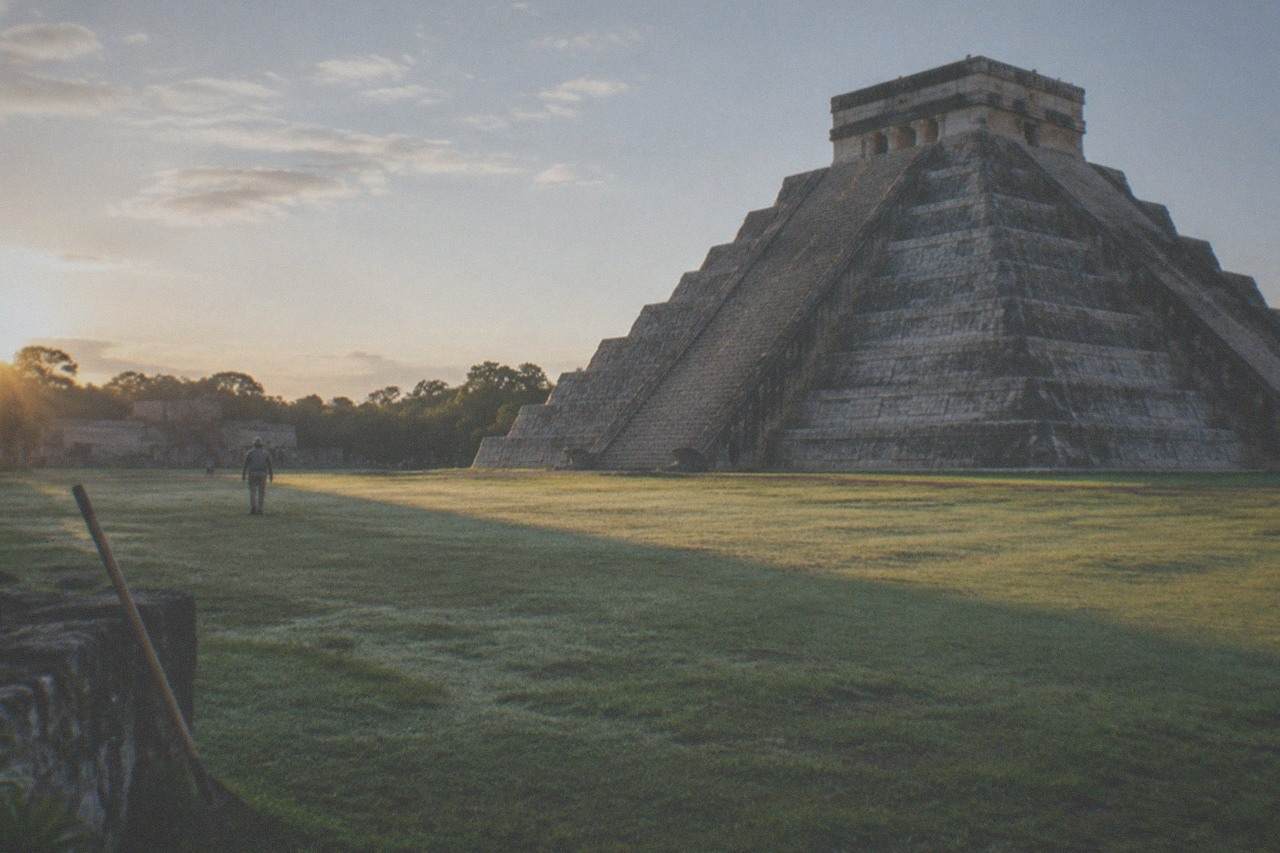
The drive from Tulum to Chichen Itza runs about 153 km, roughly 95 miles, and takes about two hours each way on the 180D toll road. That single fact reframes the whole question. A two-hour visit means four hours of driving for two hours on site, a ratio most travelers would not accept for a restaurant, let alone for one of the most studied archaeological sites in the Americas. The site itself is compact enough that two hours can work, and this page explains exactly what that pace buys, what it skips, and when it is still the sensible choice.
Is 2 Hours Enough For Chichen Itza?
Two hours is enough to see Chichen Itza's core highlights at a brisk, guided pace: El Castillo, the Great Ballcourt, the Temple of the Warriors and the Sacred Cenote are all within a short walk of the entrance. It is not enough to absorb the site's detail, and the roughly two-hour drive each way from Tulum means most day trips deliberately budget a fuller on-site window of three to four hours.
The honest answer depends on what "enough" means. If the goal is to stand in front of the pyramid, understand the equinox story from a guide, and take the classic photos, two hours delivers. The core zone is small by Maya standards; the walk from the entrance to El Castillo takes minutes, and the Great Ballcourt sits beside it. A guided group moving with purpose covers the loop comfortably.
If the goal is to understand the site, two hours starts to feel thin. Chichen Itza layers Toltec-influenced architecture over older Maya construction, and the differences are visible in the columns, the serpent sculptures and the ballcourt reliefs if someone points them out. Rushed visitors see a pyramid. Slower visitors see a deliberate architectural argument about power, trade and astronomy. That distinction is what the extra hour buys.
There is also a hard physical limit that has nothing to do with interest. Climbing El Castillo has been banned since 2006, following a fatal accident and to protect the structure from erosion, and the ban is fully enforced: barriers keep visitors back and the interior, including the Red Jaguar Throne, stays closed. Nobody spends time ascending anything here. The visit is flat, walked, and shaded only in patches, which is why timing matters as much as duration.
For travelers basing themselves in Tulum, the practical comparison is between a fast, independent visit and a structured day trip. Three options frame the range well:
How Long Does The Drive From Tulum Take?
The drive from Tulum to Chichen Itza covers about 153 km, roughly 95 miles, and takes about two hours each way via the 180D toll road. Estimates across current sources range from about one hour fifty-eight minutes to just over two hours depending on routing and traffic. The toll route is the fastest and avoids the heavier local traffic of the free road.
That round trip is the invisible half of the question. Four hours in a vehicle for two hours at the site is a six-hour minimum commitment before lunch, parking or a cenote stop, and parking near the site runs around 80 MXN. This is why the Chichen Itza day trips from Tulum in this lineup are all built as 10-to-12-hour products rather than half-days: the drive sets the floor.
It also explains why so many itineraries add stops. Ek Balam and Valladolid are the common same-day add-ons from Tulum, and a cenote swim appears on nearly every organized version of this trip. Once the day is committed to the road anyway, operators spread it across more than one experience instead of rushing the ruins and driving home. The drive time and distance breakdown from a dedicated Chichen Itza planning guide matches the figures above.
For anyone weighing whether the whole day is worth it at all, the deeper comparison lives in Is Chichen Itza Worth It From Tulum?, which looks at cost and reward rather than pace alone.
Is a guided day trip the right format for this route?
What Can You Actually See In Two Hours?
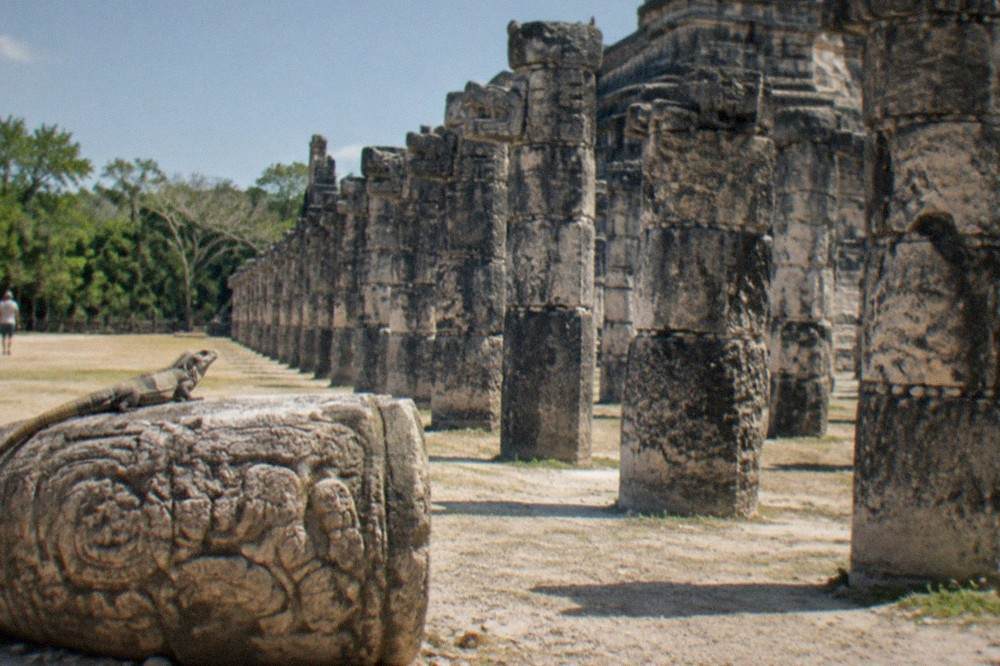
A two-hour loop realistically covers the entrance-side core: El Castillo, the Great Ballcourt, the Temple of the Warriors with its forest of columns, the Sacred Cenote walkway, and the Venus Platform along the central sacbe. At a steady pace with a guide, that is achievable with roughly 15 to 20 minutes at each stop and time to move between them.
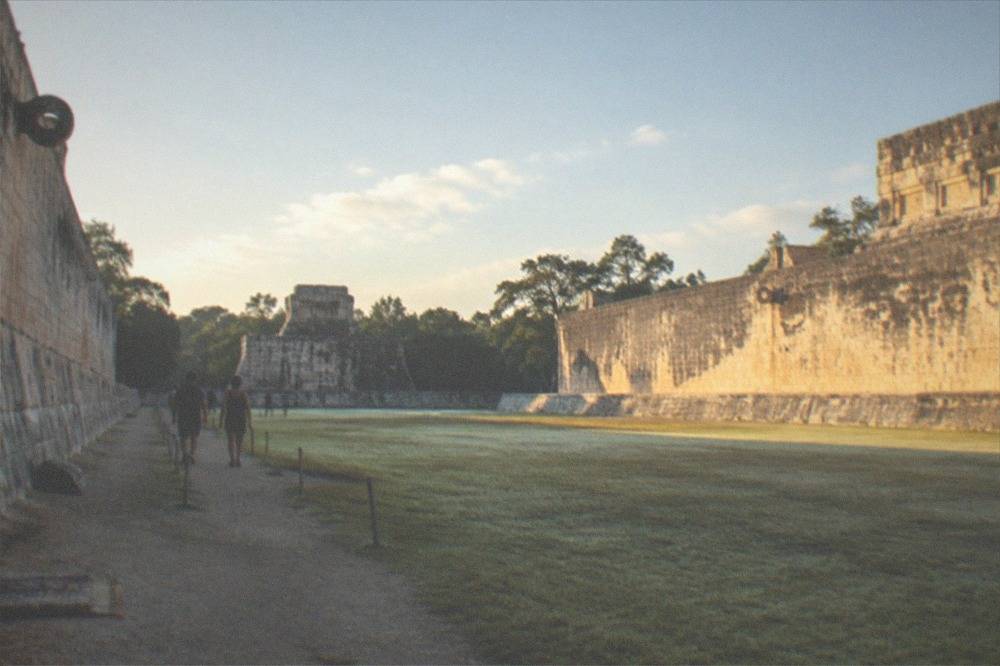
The core zone rewards this pace more than newcomers expect, because the headline structures cluster. The Great Ballcourt, the largest in Mesoamerica, sits steps from El Castillo. The Temple of the Warriors is a short walk further along the same axis. A visitor who enters, turns left toward the ballcourt, and works the central plaza in a loop has seen the postcard set within the first hour.
A sample two-hour route, with honest walking times:
| Stop | What You See | Realistic Time |
|---|---|---|
| Entrance to El Castillo | The Pyramid of Kukulkan from the barrier line | 15-20 min |
| Great Ballcourt | The largest ballcourt in Mesoamerica, its reliefs | 15-20 min |
| Temple of the Warriors | Column forest, Chac Mool platform | 20 min |
| Sacred Cenote walkway | The ceremonial sinkhole from the rim path | 15 min |
| Venus Platform and return | Carved platforms along the central sacbe | 15-20 min |
That table assumes no line at the entrance. The combined foreign adult entrance fee runs about 697 MXN, roughly $35-40, split between a federal INAH portion and a Yucatán state portion, and it is paid at the gate; the fee breakdown for foreign visitors carries the current detail. Sunday entry is free for Mexican citizens with valid ID, which is exactly why Sundays are among the most crowded days and a poor choice for a tight two-hour plan.
What Does A Two-Hour Visit Miss?
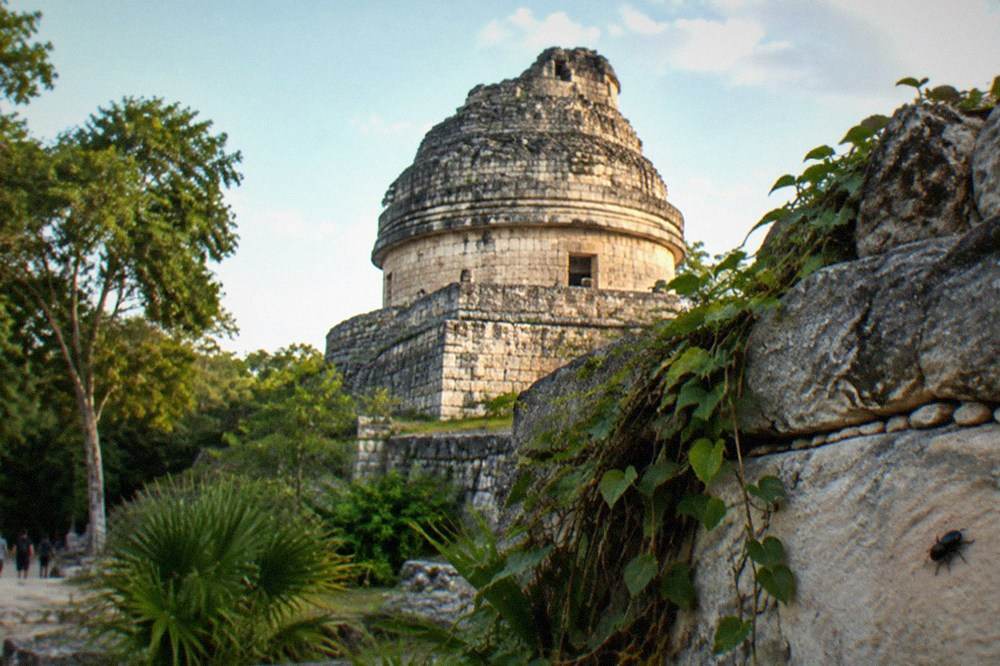
A rushed two-hour visit most often misses the southern group: El Caracol, the observatory, the Nunnery complex and the church, all a real walk beyond the core plaza. It also misses the interpretive layer, the ballcourt reliefs, the skull platform carvings and the equinox geometry of El Castillo, which go unexplained when the pace is set by a departure time rather than curiosity.
El Caracol is the clearest casualty. It is one of the few surviving Maya observatories, and its window alignments track Venus, which the Maya calendar treated with unusual seriousness. Standing in front of it without that context is standing in front of broken stone. With it, the building becomes evidence that this city was timing religious and agricultural events against planetary cycles centuries before European telescopes existed.
The Nunnery complex, named by the Spanish for its resemblance to convents, holds some of the site's finest facade decoration, from a different construction phase than the Toltec-influenced core. Walking the full site means walking through its architectural history in sequence. Skipping the south means seeing only one chapter.
The site's rules also shape what a short visit feels like. Beyond the El Castillo ban, other structures are off-limits for climbing too, and the full visitor rules cover the barriers, the restricted zones and what is permitted. A guide who knows the rules can route a short visit efficiently; an independent visitor discovering them on the fly loses time. The background on why the climbing ban exists at all is covered in Why Can't You Climb Chichen Itza?.
How Much Time Do The Best Day Trips Budget On Site?
The most-reviewed Chichen Itza day trip from Tulum on this site runs about 10 hours total and prices from $214, holding 4.9 across 2,207 reviews. The cheapest option on the list, from $90, runs 12 hours. Operators consistently build these as full days precisely because the drive consumes four hours and the site deserves three to four.
The pattern across the lineup is unambiguous: nobody sells a quick Chichen Itza dash from Tulum, because the arithmetic does not work. What varies is what fills the rest of the day. The from-Tulum Chichen Itza, cenote and Valladolid tour, 4.6 across 377 reviews and from $90, includes hotel pickup from Tulum, a bilingual guide, a cenote swim stop, and a regional buffet lunch across a 12-hour day. It is the cheapest Chichen Itza headline price on this list, and the inclusions are the reason: check the live booking page for whether the Chichen Itza entrance fee is covered or paid on site.
The small-group Chichen Itza, cenote and Valladolid day trip takes a different shape: about 10 hours, from $214, with a 4.9 rating across 2,207 reviews, Tulum hotel pickup, a guided Chichen Itza visit, a cenote swim and lunch. Fewer hours on the road, a smaller group, and the same core content. For travelers who want the fuller on-site window without the longest day, it is the stronger format, and it is the most-reviewed Chichen Itza tour on this list.
The third common format, the day trip including cenote and lunch, runs 12 hours from $149 with a certified bilingual guide, buffet lunch, Tulum pickup and a cenote visit, holding 4.0 across 293 reviews. It is a real, verified product, though its rating sits lower than the other two, and it is fair to say so plainly.
| Day Trip From Tulum | Total Length | From | Rating |
|---|---|---|---|
| Chichen Itza, cenote and Valladolid | 12 hours | $90 | 4.6 across 377 reviews |
| Day trip including cenote and lunch | 12 hours | $149 | 4.0 across 293 reviews |
| Small-group cenote and Valladolid trip | About 10 hours | $214 | 4.9 across 2,207 reviews |
When Should You Arrive To Make A Short Visit Work?
Arrive at opening, 8:00 AM, ideally between 7:45 and 8:15 on a weekday, with Tuesday through Thursday the calmest days. The quiet window runs roughly until 10:00 or 10:30 AM, before buses from Cancun and Playa del Carmen arrive in volume. Midday, 11 AM to 2 PM, brings peak crowds, peak heat and peak vendor activity.
This is the single biggest lever for making two hours feel sufficient. A two-hour visit at 8 AM is a different experience from a two-hour visit at noon. The morning version has clean sightlines to El Castillo, walkable ballcourt edges and photographs without strangers. The noon version has tour groups stacked four deep at every structure and a sun that turns the unshaded plaza into an endurance test.
Equinox dates, around March 20-21 and September 22-23, are the exception to every rule: the serpent-shadow phenomenon on El Castillo draws enormous crowds, and no pace of visit makes those days feel calm. Hours typically run 8 AM to 4 or 5 PM with last entry in the mid-afternoon, so a late arrival does not just mean crowds, it risks the gate closing before the loop is done.
For planning the whole day beyond the ruins gate, including what to pack and how to sequence a cenote, the Chichen Itza day trip planning guide carries the fuller checklist.
Is A Two-Hour Visit Ever The Right Call?
Yes, in specific situations: a traveler passing through on a route that already runs past the site, someone pairing it with an early start and an afternoon cenote, or a visitor with mobility or heat limits who prefers a short, shaded-morning loop. For anyone driving from Tulum specifically for the ruins, two hours is the wrong budget, because four hours of driving deserves more than two on site.
The pass-through case is real. Valladolid sits between Tulum and Chichen Itza on common routes, and some travelers stitch the site into a broader Yucatán loop rather than making it the destination. For them, a disciplined two-hour core walk at opening, followed by a swim and a late lunch elsewhere, is a coherent day. The mistake is not the short visit, it is the short visit at the wrong hour.
The Tulum-based case is different. Four hours of toll road each way is a fixed cost, and the marginal hour on site is the cheapest, most valuable hour in the whole itinerary. Stretching two hours to three or four costs nothing but lunch timing. The site's own scale supports it: the core is compact, but the southern observatory group and the walkway to the Sacred Cenote add genuine distance, and midday heat slows everyone.
That is the honest bottom line from Tulum Ruins Tours: two hours sees Chichen Itza, three to four hours understand it, and the drive makes the difference worth more than it first appears.
Common Questions About Is 2 Hours Enough For Chichen Itza?
Is 2 Hours Enough For Chichen Itza?
Two hours covers the core highlights, El Castillo, the Great Ballcourt, the Temple of the Warriors and the Sacred Cenote walkway, at a brisk pace. It skips the southern observatory group and most of the interpretive detail. Most day trips from Tulum budget three to four hours on site because the drive takes about two hours each way.
How Far Is Chichen Itza From Tulum?
About 153 km, roughly 95 miles, and about two hours each way via the 180D toll road. The toll route is the fastest option and avoids heavier traffic on the free road.
Can You Climb The Pyramid At Chichen Itza?
No. Climbing El Castillo has been banned since 2006 following a fatal accident and to prevent erosion, and the ban is fully enforced. Barriers keep visitors back from the structure and the interior remains closed. Other structures at the site are also off-limits for climbing.
What Time Should You Arrive At Chichen Itza?
At opening, 8:00 AM, ideally between 7:45 and 8:15 on a weekday, with Tuesday through Thursday the calmest. The quiet window lasts until roughly 10:00 or 10:30 AM before tour buses arrive in volume. Equinox dates draw very large crowds and should be avoided for a short visit.
How Much Does It Cost To Enter Chichen Itza?
Foreign adults pay a combined fee of roughly 697 MXN, about $35-40, split between a federal portion and a Yucatán state portion. Mexican nationals pay less with ID, Yucatán residents are exempt from the state portion, and Sundays are free for Mexican citizens. Fees are subject to annual adjustment, so confirm at the gate.
What Does A Two-Hour Visit Miss At Chichen Itza?
Most often the southern group: El Caracol, the observatory, and the Nunnery complex. A rushed pace also skips the reliefs on the ballcourt, the skull platform carvings and the astronomy behind El Castillo's design, all of which a guide can unpack given time.