Which Mayan Ruin Is The Best To Visit?
An honest shortlist of the best Mayan ruins near Tulum: Chichen Itza, Tulum, Coba, Muyil and Ek Balam compared on price, climbing, crowds and day-trip logistics.
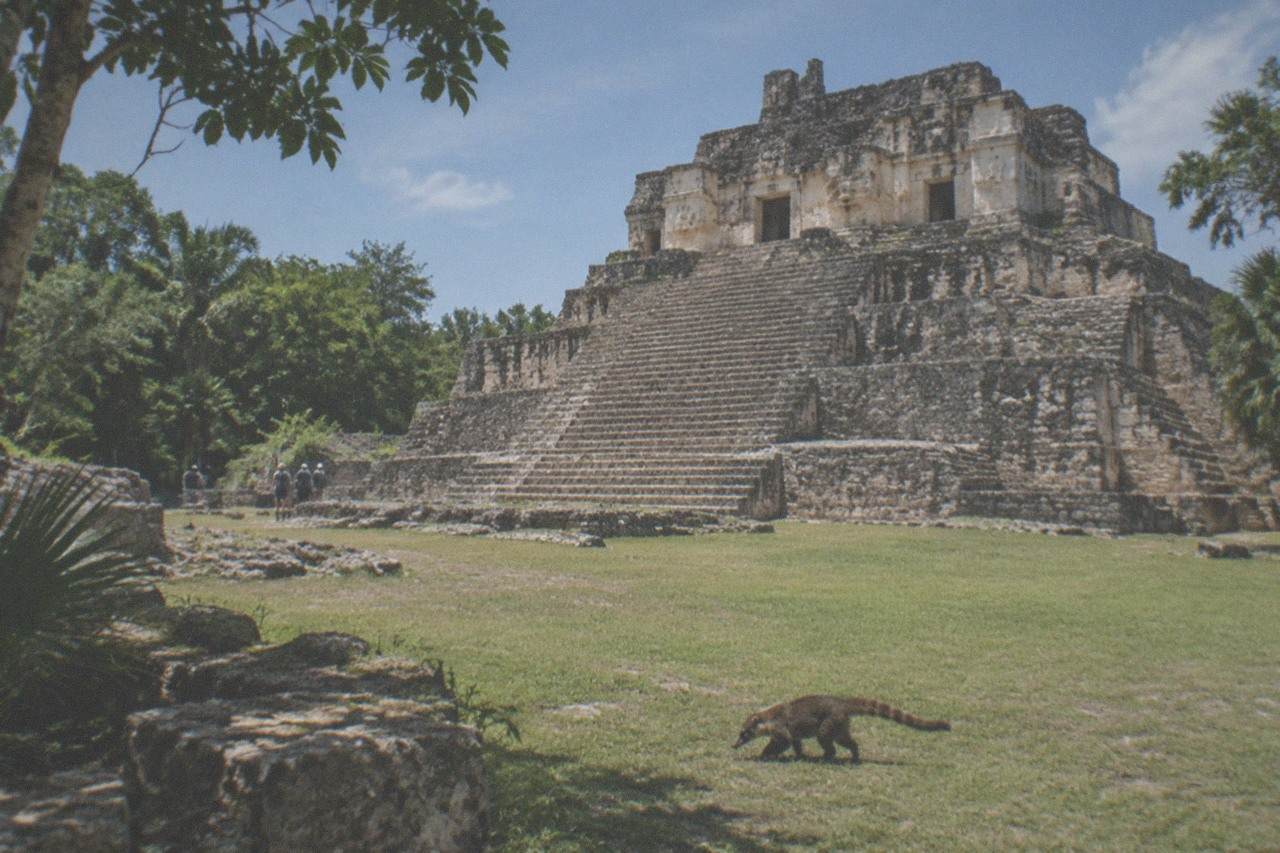
Which Mayan Ruin Is The Best To Visit?
The best Mayan ruin depends on what you want from the day: Chichen Itza is the biggest spectacle, Tulum is the easiest and most scenic, Coba is the only major pyramid you can still climb, and Muyil and Ek Balam are the quiet alternatives. For most first-time visitors staying in Tulum, Chichen Itza wins on wow factor, and the small-group cenote and Valladolid day trip from $214 is the strongest all-round way to do it.
That is the short version. The longer version is that "best" splits into at least three different questions, and the ruins near Tulum answer each one differently. If you want the most iconic single structure on the peninsula, that is El Castillo at Chichen Itza, roughly 153 km and about two hours from Tulum via the toll road. If you want the shortest morning and a view of the Caribbean from a cliff-top walled city, that is the Tulum archaeological zone, 265 MXN for foreign visitors (roughly $13-15) under the unified fee. If you want to actually stand on top of a pyramid, that is Coba, where the Nohoch Mul climb reopened in December 2025.
Then there is the quiet question. Muyil, about 20-25 minutes south of Tulum inside the Sian Ka'an biosphere, and Ek Balam, about 1.5-2 hours away in Yucatan state, see a fraction of the crowds of the big three. A traveler who has already seen one grand pyramid may find Muyil's jungle paths and lagoon more memorable than a second gift-shop gauntlet.
The three day trips below cover the three most common trip styles: the full spectacle day, the budget ruins-plus-cenote combo, and the Coba route with a swim.
For the full ranking with a fee table and drive times for every site, the deeper breakdown lives in the Mayan ruins near Tulum comparison, which this article routes through site by site.
How Do The Five Sites Compare Side By Side?
Comparing the five sites on entrance cost, drive time, climbing and crowds, the pattern is clear: Tulum is cheapest and closest, Chichen Itza and Ek Balam carry the highest foreigner fees at roughly 697 MXN and 691 MXN, Coba is the only one of the big three with a climbable pyramid, and Muyil is by a wide margin the quietest. Fees are set by INAH and CULTUR and can change, so confirm on arrival.
The table below pulls together the verified figures for each site. Drive times are from Tulum.
| Site | Foreigner entrance fee | Drive from Tulum | Can you climb? | Crowd level |
|---|---|---|---|---|
| Tulum | 265 MXN (roughly $13-15) | In town | No | High, busiest 10:00-15:00 |
| Coba | ~310-330 MXN total (roughly $17-19) | ~45 minutes | Yes, Nohoch Mul, regulated | Moderate |
| Chichen Itza | ~697 MXN (roughly $35-40) | ~2 hours | No, banned since 2006 | Very high |
| Muyil | 145 MXN (roughly $7-8) | ~20-25 minutes | No | Low |
| Ek Balam | ~691 MXN (roughly $35-40) | ~1.5-2 hours | Yes, Acropolis with rope assist | Low |
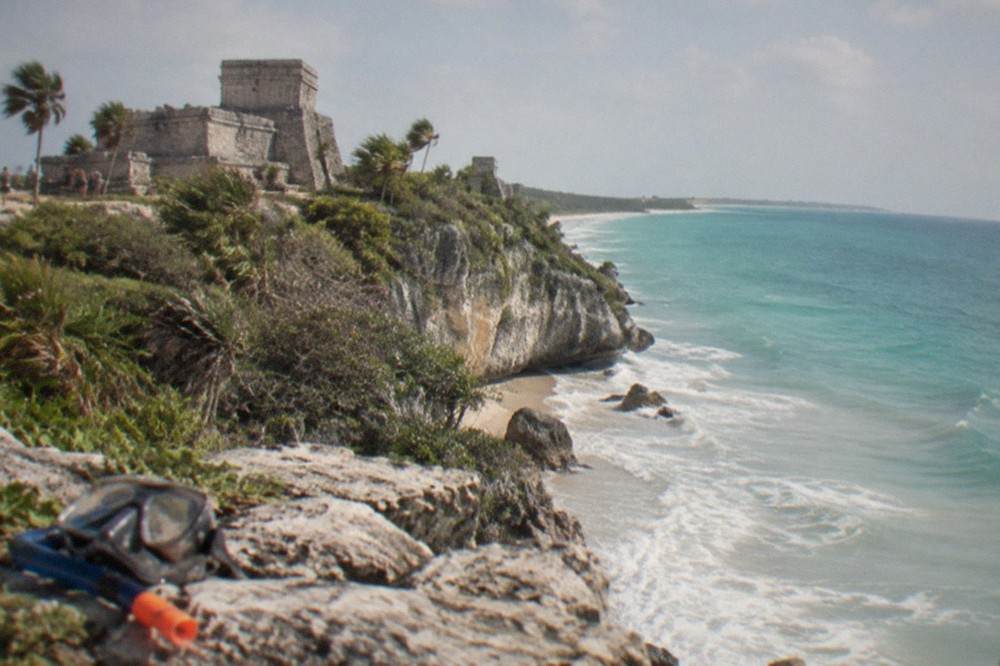
Two things in that table deserve a second look. First, the Chichen Itza fee is a combined figure, roughly 105 MXN federal plus 592 MXN state, and sources show minor variance across the 676-697 MXN range, so treat it as a current reasonable figure rather than a fixed price. Second, the climbing column is where Coba and Ek Balam earn their place on this shortlist, because the other three sites all say no.
The Tulum fee itself has a story worth knowing: it was raised in early 2026, then a July 2026 federal decree unified and reduced it to the current 80 MXN for nationals and 265 MXN for foreigners, one gate payment covering both the INAH zone and the Parque del Jaguar access. INAH's official page for the site carries the current figures.
If the all-round day trip already looks like the right call before reading further, the box below goes straight to it.
The small-group Chichen Itza, cenote and Valladolid day trip runs about 10 hours with Tulum hotel pickup, a guided Chichen Itza visit, a cenote swim and lunch, from $214, and it holds 4.9 across 2,207 reviews, the largest review pool of any Chichen Itza tour on this site.
Which Ruin Is Best For Climbing A Pyramid?
Coba is the best ruin for climbing a pyramid: its Nohoch Mul, at 42 meters the tallest Maya structure in the region, reopened to climbers in December 2025 after roughly six years closed, using a new wooden staircase over the original steps with groups of 14-15, a roughly 8:00-15:30 window, a 15-minute summit limit and closed-toe grip shoes required. Ek Balam is the runner-up, with a rope-assisted climb up its Acropolis.
This is the sharpest contrast on the whole peninsula. El Castillo at Chichen Itza has been closed to climbers since 2006, after a fatal accident and to prevent erosion, and the ban is fully enforced, with barriers keeping visitors back from the structure. Tulum's structures are likewise off-limits. Muyil restricts visitors to marked paths and viewing areas.
So if standing on top of a pyramid is the goal, Coba is currently the only one of the big three where it is possible, and the rules are real: the wooden staircase, the group size cap, the afternoon cutoff and the summit time limit all shape how the visit feels. Arrive early, because the climb window closes around 15:30 even though the site stays open later.
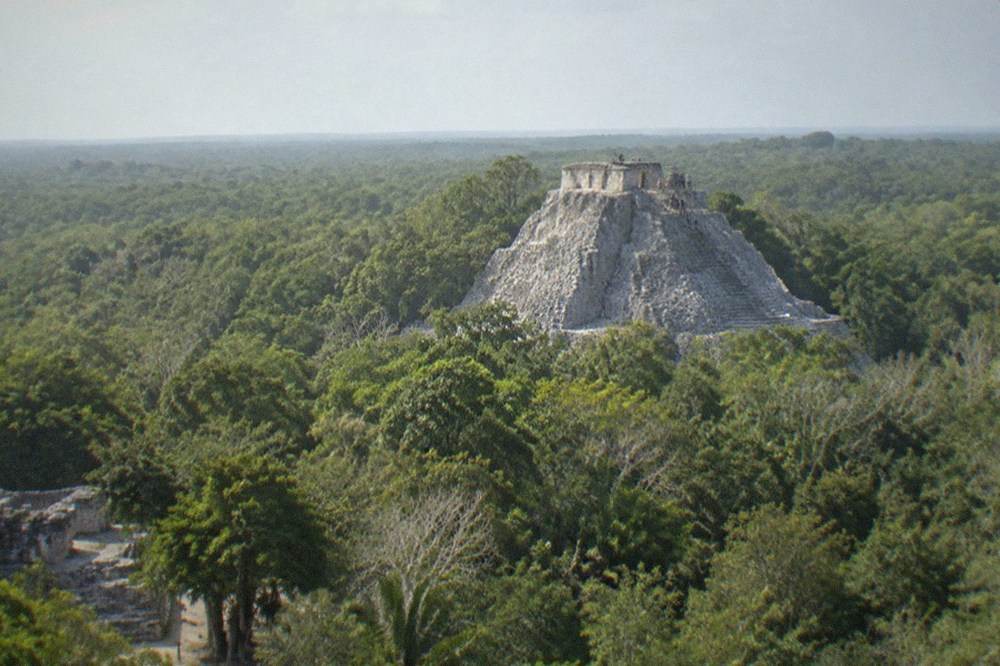
Ek Balam's Acropolis, about 43 meters tall, is climbed on steep stone steps with a rope assist, which is worth stating plainly: it is a genuine climb, not an easy walk-up. The reward is close access to the stucco friezes near the top and a summit view over flat Yucatan jungle, and the site sees low hundreds of visitors a day rather than thousands.
Coba also earns its spot for a second reason: scale. The site covers roughly 70-80 square kilometers with over 5,000 structures, most of them unexcavated, and the structure groups sit 1-2 km apart on jungle paths, so most visitors rent bikes for around 60-100 MXN or a pedicab for two at roughly 140-200 MXN. The Coba, Multun Ha cenote, Tulum and Mayan museum small-group tour from $109, rated 4.5 from 774 reviews, bundles the two-site day with a cenote swim, though the Tulum entrance fee is extra on that one. For climbers weighing Tulum against this route specifically, the question of which Mayan ruins are better, Coba or Tulum has its own breakdown.
Is Chichen Itza Worth The Long Day From Tulum?
For most first-time visitors, yes. Chichen Itza is a roughly two-hour drive each way from Tulum and costs about 697 MXN to enter as a foreign adult, but El Castillo, the Great Ball Court and the scale of the restored core are unmatched on the peninsula, and a well-run 10-hour small-group tour from $214 with pickup, a guide, a cenote swim and lunch removes nearly all of the friction.
The honest case against is the day shape: you leave early, you ride about 153 km each way, and midday at the site is hot, crowded and thick with vendors. The honest case for is that it is one of the New Seven Wonders of the World and the single most photographed Maya structure anywhere, and most people who skip it to save a long day end up planning a return trip to see it anyway.
The way to make it work is timing and packaging. Arriving at opening, ideally on a weekday between Tuesday and Thursday, buys a calmer window before the buses from Cancun and Playa del Carmen arrive in volume around mid-morning. A tour that folds in the drive, the entrance logistics, a cenote swim and a Valladolid lunch stop turns the dead travel time into part of the day.
That is exactly the shape of the related tour on this article: the Chichen Itza, cenote and Valladolid small-group day trip, from $214, about 10 hours, Tulum hotel pickup, guided Chichen Itza visit, cenote swim and lunch included, 4.9 across 2,207 reviews.
Budget travelers have a cheaper headline option: the Chichen Itza, cenote and Valladolid tour from $90 includes hotel pickup from Tulum, a bilingual guide, a cenote swim stop and a regional buffet lunch, rated 4.6 from 377 reviews. There is also a 12-hour Chichen Itza, Ek Balam and Hubiku cenote combination from $119 for travelers who want two ruins in one very full day. The trade-offs between the headline prices and the inclusions are laid out in the Chichen Itza tickets and tours from Tulum guide, and the entrance fee breakdown is on the Chichen Itza fee detail page.
Which Ruin Gives The Quietest Experience?
Muyil is the quietest of the five, sitting inside the Sian Ka'an UNESCO biosphere roughly 20-25 minutes south of Tulum, with a 145 MXN foreigner fee, free parking and a fraction of the big sites' crowds. Ek Balam is the second quietest, seeing low hundreds of daily visitors. Both reopened or expanded access in 2026, so current conditions are better than many older guidebooks describe.
Muyil reopened to the public in February 2026 after a conservation closure of nearly two years, with an expanded visitor path, improved signage and access to additional structure groups. No climbing is permitted on its structures, but the site's draw was never the climbing: it is the jungle setting, the short walk to a lagoon viewpoint, and the optional boat or lazy-river float through the Sian Ka'an canals, which is a separate paid add-on, typically around 1,000 MXN per person, and never part of the ruins entrance fee.
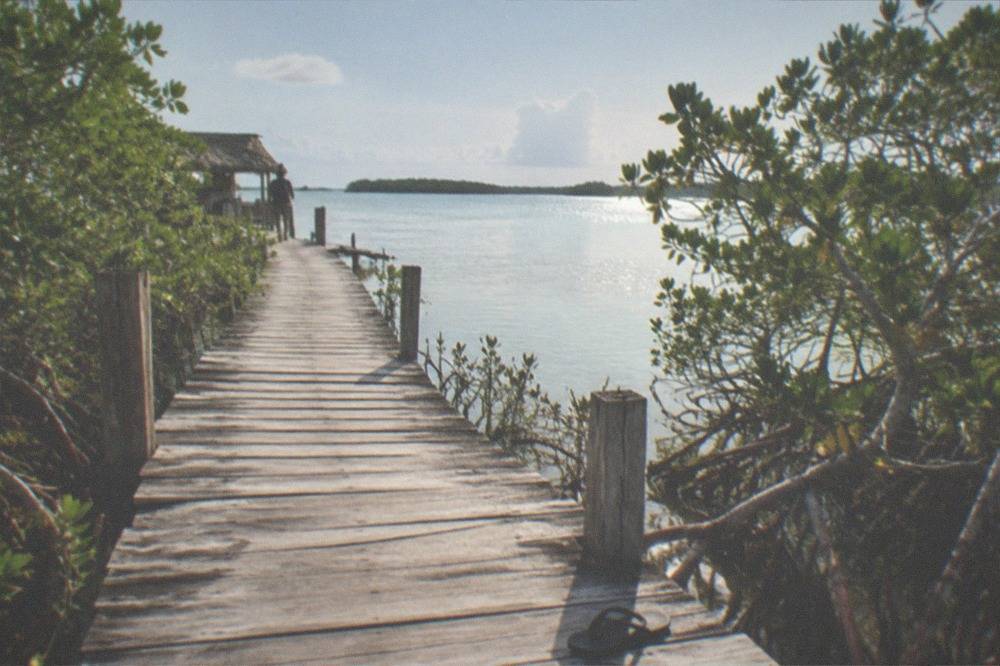
The most-reviewed Muyil product on this site's lineup is the Muyil archaeological site and Sian Ka'an guided tour from Tulum, from $169, 6 hours, with Tulum hotel pickup and drop-off, an air-conditioned minivan, a professional guide, water and snacks, rated 4.9 across 846 reviews.
Ek Balam plays a different quiet card: it has a climbable pyramid and elaborate stucco decoration, which the big sites cannot offer together, and it sees a fraction of their footfall. A new western section of its Grand Acropolis opened to visitors in 2026 with small-group timed access in places. Its combined foreigner fee of roughly 691 MXN, about 210 MXN federal plus 481 MXN state, is close to Chichen Itza's, so the choice between them is really spectacle versus solitude, and the Ek Balam from Tulum guide covers that trade in full.
What About Combining Ruins With A Cenote Swim?
Yes, combining ruins with a cenote swim is one of the best-value options here. The Tulum ruins and two cenotes half-day tour from $36, rated 4.4 across 1,166 reviews, bundles hotel pickup, a guided Tulum ruins visit and swims at two cenotes, though the Tulum archaeological zone entrance fee is extra and paid at the gate. For more comfort, the all-inclusive three-cenote tour from $211.81 covers the Tulum entrance, tequila tasting and lunch.
The combo question matters because of one flat fact: there is no swimmable cenote inside the Tulum archaeological zone itself. Casa del Cenote is a named structure at the site, not a swim spot, and the nearby Gran Cenote and others sit outside the gate. So a ruins-plus-swim day means either a combo tour or self-driving between stops, and the combos are priced low enough that the arithmetic usually favors them.
The value ladder on this list of tours runs from that $36 half-day up through the Tulum ruins, Akumal turtles and cenote tour from $129, rated 4.9 across 2,114 reviews, which adds a turtle snorkel and a lunch buffet over 8 hours, to the private options like the Tulum ruins and cenote private tour from $204 with all fees and snorkel gear included. The private Coba-plus-Tulum day from $347.83, rated 5.0 from 27 reviews, is the ceiling for travelers who want both big sites with no one else in the van.
One lineup note worth reading closely: several combos exclude the Tulum entrance fee while others include it, and the difference is roughly 265 MXN per adult, so the headline price alone does not tell you the real cost. The inclusions line on each tour page states exactly what is covered.
How Do You Choose Based On Your Trip Style?
Pick by trip style, not by a single ranking. First-time visitors with one big day should choose Chichen Itza. Travelers who want climbing choose Coba, travelers who want a short scenic morning choose Tulum, travelers who want quiet choose Muyil, and travelers who want climbing plus quiet choose Ek Balam. Anyone combining ruins with a swim should compare the combo tours against the entrance fees they exclude.
| If your priority is... | Best site | A tour that fits |
|---|---|---|
| The biggest spectacle | Chichen Itza | Chichen Itza, cenote and Valladolid small group, from $214 |
| Shortest morning, sea views | Tulum | Tulum archaeological zone walking tour, from $18 |
| Climbing a pyramid | Coba | Coba, Multun Ha cenote, Tulum and museum, from $109 |
| Quiet and nature | Muyil | Muyil and Sian Ka'an guided tour, from $169 |
| Climbing without crowds | Ek Balam | Private Ek Balam, cenote and Valladolid tour, from $239 |
| Best budget combo | Tulum plus cenotes | Tulum ruins and 2 cenotes half day, from $36 |
Season shapes the choice too. The dry season, roughly November through April, brings lower humidity and steadier conditions for walking exposed sites, while the June-to-November rainy season means afternoon showers, fewer crowds and lower prices. Equinox days at Chichen Itza, around March 20-21 and September 22-23, draw very large crowds for the serpent-shadow effect on El Castillo, spectacular if planned, miserable if stumbled into.
One safety note, stated plainly: Quintana Roo carries a US State Department Level 2 "Exercise Increased Caution" advisory, the same tier as several Western European countries, and the ruins sites themselves are ticketed, daytime, patrolled places. The official Mexico travel advisory carries the current state-level detail.
For the deeper question of how Tulum's own ruins stack up against the biggest name on the peninsula, which is better, Tulum ruins or Chichen Itza answers it head to head, and the site's full shortlist across all five categories begins on Tulum Ruins Tours.
Whatever the choice, the three day trips below cover the three most common answers to this article's question.
Common Questions About Which Mayan Ruin Is The Best To Visit
Which Mayan Ruin Is The Best To Visit?
It depends on trip style. Chichen Itza is the biggest spectacle and the best pick for most first-time visitors with one full day. Coba is best for climbing a pyramid, Tulum for a short scenic visit, Muyil for quiet and nature, and Ek Balam for climbing without crowds.
Can You Still Climb Any Of The Mayan Pyramids?
Yes. Coba's Nohoch Mul reopened to climbers in December 2025 on a wooden staircase with small groups, a roughly 8:00-15:30 window and a 15-minute summit limit. Ek Balam's Acropolis is climbable with a rope assist. El Castillo at Chichen Itza has been closed to climbing since 2006, and Tulum's and Muyil's structures are not open to climbing.
Which Mayan Ruin Is Closest To Tulum?
The Tulum archaeological zone is in Tulum itself. Muyil is next, roughly 20-25 minutes south by car. Coba is about 45 minutes away, Ek Balam about 1.5-2 hours, and Chichen Itza roughly two hours via the toll road.
Is Chichen Itza Or Coba Better?
Chichen Itza is more restored, more iconic and far more crowded, with a foreigner fee around 697 MXN. Coba is jungle-immersed, larger in area, cheaper to enter at roughly 310-330 MXN total, and currently the only big-three site where you can climb the pyramid. Spectacle points to Chichen Itza, climbing and quiet point to Coba.
How Much Does It Cost To Enter The Tulum Ruins?
The unified fee is 265 MXN for foreign visitors, roughly $13-15, and 80 MXN for Mexican nationals and residents, one gate payment covering the INAH zone and Parque del Jaguar access. Sunday entry is free for Mexican nationals and foreign residents with valid ID, not for foreign tourists. Fees are set by INAH and CULTUR and can change, so confirm on arrival.
Do You Need A Tour Or Can You Visit The Ruins Yourself?
All five sites can be visited independently, and guides are optional at the Tulum zone. Tours earn their price on the far sites: a Chichen Itza day from Tulum is about two hours each way, and combos fold in transport, a guide, a cenote swim and lunch. Self-guiding works best for Tulum and Muyil, where the drive is short.