Is There A Cartel Presence In Tulum?
A factual, non-alarmist look at cartel presence in Tulum: the real US State Department advisory tier, the 2025-2026 drop in local homicide counts, isolated incidents away from tourist zones, and why the ruins themselves are patrolled daytime sites.
Is There A Cartel Presence In Tulum?
Yes, organized-crime groups operate in Quintana Roo, the state Tulum sits in, but the picture most travelers imagine is heavier than the record supports. The US State Department rates Quintana Roo at Level 2, "Exercise Increased Caution," the same tier it assigns to France, Italy, Spain and the United Kingdom. Tulum's homicide counts fell steeply through 2025 and into 2026, and violence that does occur rarely touches the tourist zones.
That single word, "presence," does a lot of work in the question. A presence is not a war. Cartel activity in the region is real: it shows up in local disputes, in occasional flare-ups like the brief February 2026 episode that prompted a short-lived US Embassy alert, and in incidents such as a September 2026 shooting along the Playa del Carmen to Tulum highway near Xpu-Ha, which targeted ride-hailing drivers rather than visitors. None of that is pleasant, and none of it should be waved away. But the practical question a traveler is really asking is whether a person standing at the Tulum ruins at 9am, or walking the beach road at noon, faces a meaningful risk, and the honest answer is that the data and the advisory both point the same direction: standard precautions, no panic.
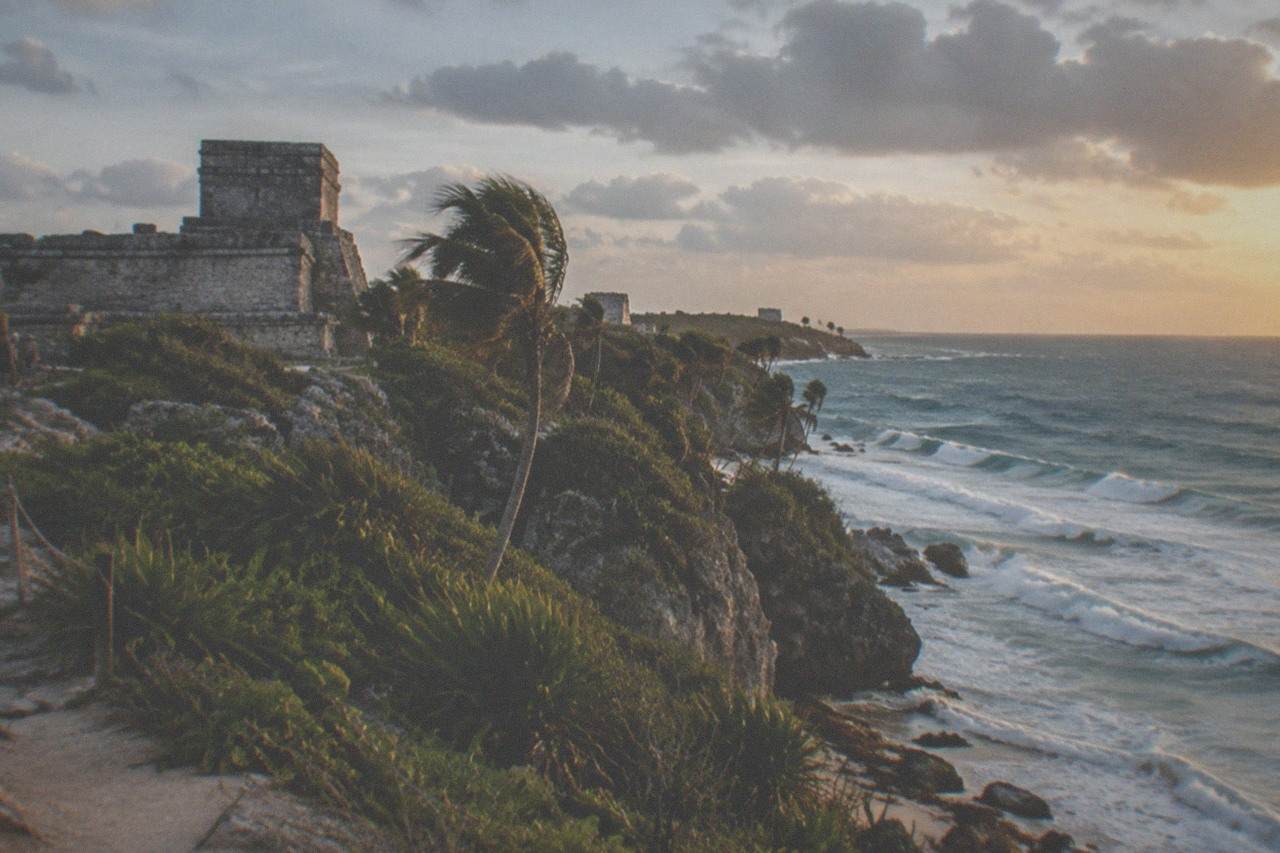
The distinction matters because Tulum's reputation has swung hard in both directions over the past few years. Through the late 2010s and early 2020s the town was portrayed as an anything-goes paradise, then a handful of high-profile incidents abroad made headlines and the pendulum swung toward "Tulum is dangerous." Neither framing survives contact with the actual numbers. Local reporting through 2026 describes a sharp decline in violent crime, and the ruins sites themselves, the reason most readers of Tulum Ruins Tours are here at all, are among the most controlled environments in the area: fenced, ticketed, daytime-only, and patrolled.
If you are planning a visit and want a structured way into the site rather than figuring out colectivos and gate fees on your own, these are the three formats most first-time visitors compare.
What Does The US Travel Advisory Actually Say About Quintana Roo?
The State Department places Quintana Roo at Level 2, "Exercise Increased Caution," citing crime risk, and urges vigilance after dark in downtown areas of Tulum, Cancun and Playa del Carmen while recommending well-lit tourist zones. Level 2 is the same tier as France, Italy, Spain and the UK. Yucatan and Campeche, the states inland, sit at the safer Level 1.
The advisory is worth reading directly rather than through the lens of a headline. The official Mexico travel advisory page breaks the country down state by state, and the Quintana Roo entry is specific: the risk named is crime, including gang-related violence in which bystanders have occasionally been affected, and the caution is concentrated in downtown areas after dark. That is a meaningfully different message from "do not travel," which the State Department reserves for Level 4 and applies to a small number of Mexican states far from here.
Two things follow from that. First, the advisory tier itself is middle-of-the-road by global standards; millions of Americans visit countries carrying the same rating without a second thought. Second, the advisory's own guidance points to behavior, not avoidance: stay in well-lit, well-trafficked areas at night, use licensed taxis or arranged transport, and keep normal city smarts about petty theft and drink tampering in nightlife settings. A 2026 Tulum safety guide covering the same period lands on essentially the same list.
For a ruins-focused trip, the advisory barely touches the plan. The archaeological zone is a daytime site with a fixed closing hour, controlled entry, and security presence, which puts it squarely in the category of place the advisory describes as well-patrolled tourist infrastructure.
How Did Tulum's Crime Numbers Change Through 2025 And 2026?
Tulum municipality's homicide count dropped sharply: local reporting cites a 61.7 percent reduction in 2025, with some 2026 comparisons showing declines above 80 percent, and stretches of May, June and July 2026 recorded zero intentional homicides in Tulum. Broader Quintana Roo metrics fell too, with some measures down around 85 percent.
Those figures come from local outlets tracking municipal and state statistics, and they describe one of the steeper crime declines of any tourist town in Mexico over that window. The context behind the numbers is less cheerful: the decline came down from a genuinely bad period, and Tulum had spent several years on national violence rankings it would rather forget. The 2026 reporting notes the town exited those rankings entirely after the drop. Occupancy pressures that the town did feel through 2025 and 2026 were attributed by local coverage more to prices, sargassum on the beaches, and airline routes than to crime, which is its own signal about what actually drives traveler decisions.
A few honest caveats belong next to the good news. Homicide counts are one metric, and they say little about petty theft, scams, or disputes that never reach that threshold. The decline is also recent enough that a single bad month can dominate a quarterly comparison. And a falling trend line is a statement about probability across a whole town, not a guarantee about any specific night on any specific street. What the numbers do support is the claim that "Tulum is dangerous" as a blanket label is out of date, and that the direction of travel has been consistently positive.
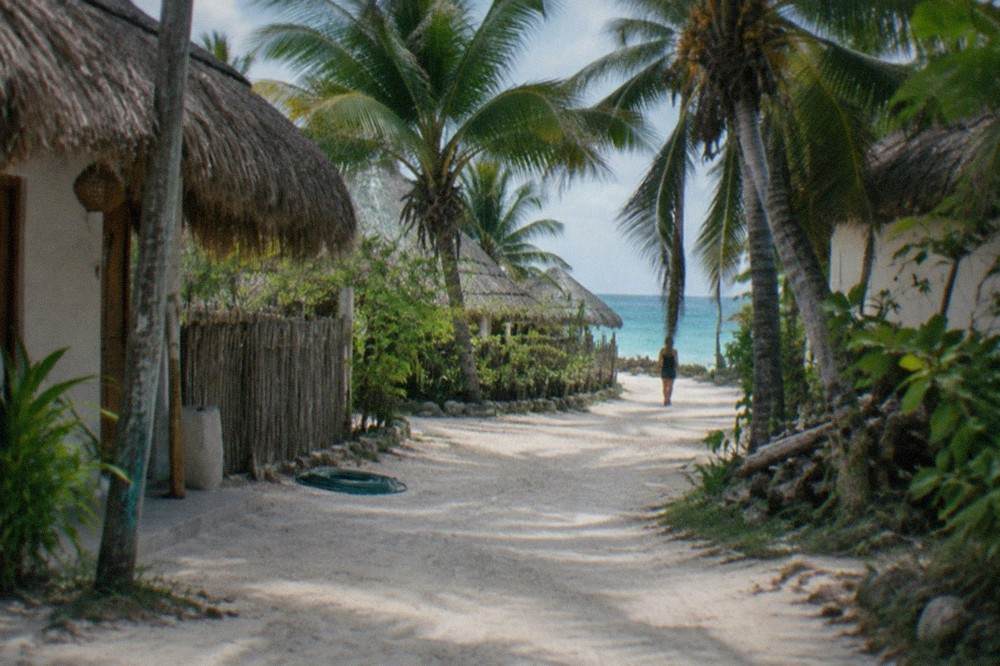
For trip timing, the season matters more than the crime ledger. The dry season, roughly November through April, brings lower humidity and less rain, which is when most people prefer to walk an exposed archaeological site. December through March is the most reliable window, with daytime highs around 82 to 86 degrees, though it is also the busiest and priciest. June through November is the rainy and hurricane season, with peak risk in September and October; it is cheaper and quieter, and afternoon storms are the main nuisance. Sargassum seaweed mainly affects beaches in the May to July stretch, not the ruins themselves.
| Period | Conditions | What It Means For A Ruins Trip |
|---|---|---|
| November to April (dry season) | Lower humidity, less rain, highs 82-86°F | Best walking weather; December-March busiest |
| May to July | Rising heat, sargassum on beaches | Ruins unaffected by seaweed; go early |
| September to October | Peak hurricane-season risk, afternoon storms | Cheapest and quietest; build in flexibility |
What Happened In The Isolated Incidents Near Tulum?
Two events in 2026 stand out in the record: a brief February flare-up of cartel-related violence across parts of Mexico that prompted a short-lived US Embassy shelter-in-place alert affecting Quintana Roo, and a September 2026 shooting along the Playa del Carmen to Tulum highway near Xpu-Ha that targeted ride-hailing drivers. Both resolved quickly and neither was aimed at tourists.
The February episode is the one most likely to have reached a reader's feed, because the words "shelter in place" travel fast. The fuller account describes a nationwide surge in cartel activity that week, an Embassy alert telling people in affected areas to stay indoors temporarily, and a return to normal operations within days. The underlying Level 2 advisory for Quintana Roo never changed. Treating that week as evidence of a permanent condition is like treating one airport closure as proof the airport is always closed.
The September incident near Xpu-Ha, on the highway between Playa del Carmen and Tulum, involved gunmen firing on ride-hailing drivers. It happened outside central Tulum and outside the tourist zones, and reporting tied it to local disputes rather than visitors. It is a reminder that the highway corridor is a real place where real things occasionally happen, and that using licensed taxis, arranged hotel transport, or a tour operator's vehicle rather than random unmarked cars is the sensible move, which is standard advice for the region anyway.
What the record does not contain is a pattern of tourist-targeted violence in Tulum. The incidents that exist are isolated, geographically specific, and connected to local criminal dynamics. That is the honest shape of it: not "nothing ever happens," and not "Tulum is a war zone," but a town where the bad events are rare, named, and mostly not about you.
Are The Tulum Ruins Themselves Safe To Visit?
Yes. The archaeological zone is a ticketed, fenced, daytime-only site with security presence and controlled entry, open 8:00 to 17:00 with last entry at 15:30. Reporting describes enhanced access security, including National Guard elements and metal detectors at the site, and the general guidance is that ruins sites are among the safest places a visitor can spend a day.
The ruins are, structurally, the opposite of the environment where the region's problems occur. There is one way in, past a ticket gate where every person pays, and the site closes in the late afternoon, so there is no after-dark period at all. Local reporting on access security at the zone describes National Guard involvement and screening at the entrance, part of a wider security posture across the region's sites. Inside, the crowd is families, tour groups, and couples taking photos, and the site staff and guides are present all day.
The practical risks at the ruins are the mundane ones: sun exposure on a shadeless site, heat, uneven stone paths, and dehydration. Those send more people home early than anything criminal does. The standard kit is closed walking shoes, a hat, water, and reef-safe sunscreen if you plan to swim at the small cove below El Castillo, which is reachable by a wooden staircase inside the zone. Our what to bring for the Tulum ruins guide covers the packing list in detail.
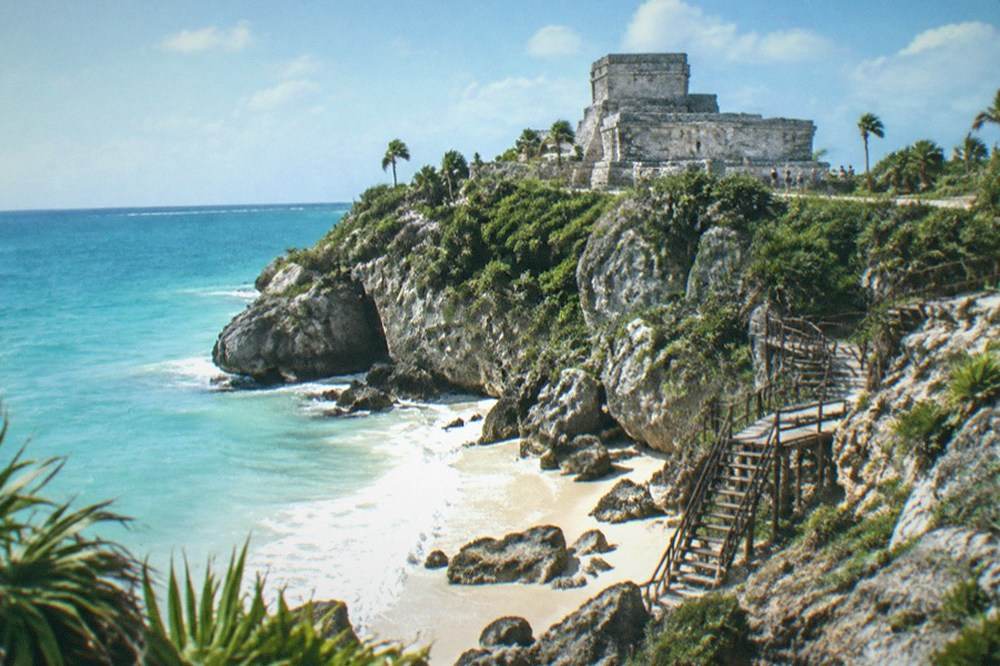
A guided format adds a layer of logistics on top of that. The cheapest headline option on this list is the tulum-archaeological-zone-guided-walking-tour, a 1.15-hour guided walk from $18 per person, rated 4.9 across 109 reviews, with beach access at Parque del Jaguar and the unified entrance fee paid directly at the gate, covering the INAH zone and park in a single payment. It keeps you inside the controlled site with a professional guide the entire time, and transport is not included, so it suits anyone already in Tulum town.
For visitors who want the whole day handled end to end, the private half-day option, tulum-ruins-tour-private-half-day, runs 4 hours from $159 with air-conditioned transport, bottled water, snacks and all fees included, rated 4.9 across 239 reviews. A private vehicle and guide mean no colectivo, no taxi negotiation, and no parking-lot walk; the door-to-door format is the one nervous first-time visitors most often choose. Our guided versus self-guided Tulum ruins comparison walks through the tradeoffs.
What Should Travelers Do Differently After Dark In Tulum?
After dark, the advisory's guidance is behavior-based: stay in well-lit, well-trafficked areas, avoid isolated roads and beach paths at night, use licensed taxis or arranged transport, and keep the same drink-and-belongings awareness you would in any nightlife district. The daytime ruins plan needs almost no adjustment.
The after-dark list is where Quintana Roo's Level 2 rating does its real work, and it is short. Downtown Tulum after midnight is the environment the advisory names, so the standard move is to stay on the busier commercial streets and take a car back to the hotel rather than walk a dark beach road. Petty theft and overcharging are the realistic annoyances; drink tampering in nightlife settings is the risk local guides mention most often, and the defense is ordinary: watch your drink, buy your own, leave with your group.
None of that is Tulum-specific in character. It is the same list a sensible traveler runs in plenty of beach destinations, and the difference here is that the State Department has said it out loud on an advisory page. The ruins-focused part of the trip, an 8am arrival, a morning on the site, a swim at the cove, and lunch back in town, happens entirely inside the hours and the places where the risk profile is at its most benign.
Should You Still Book That Tulum Ruins Trip?
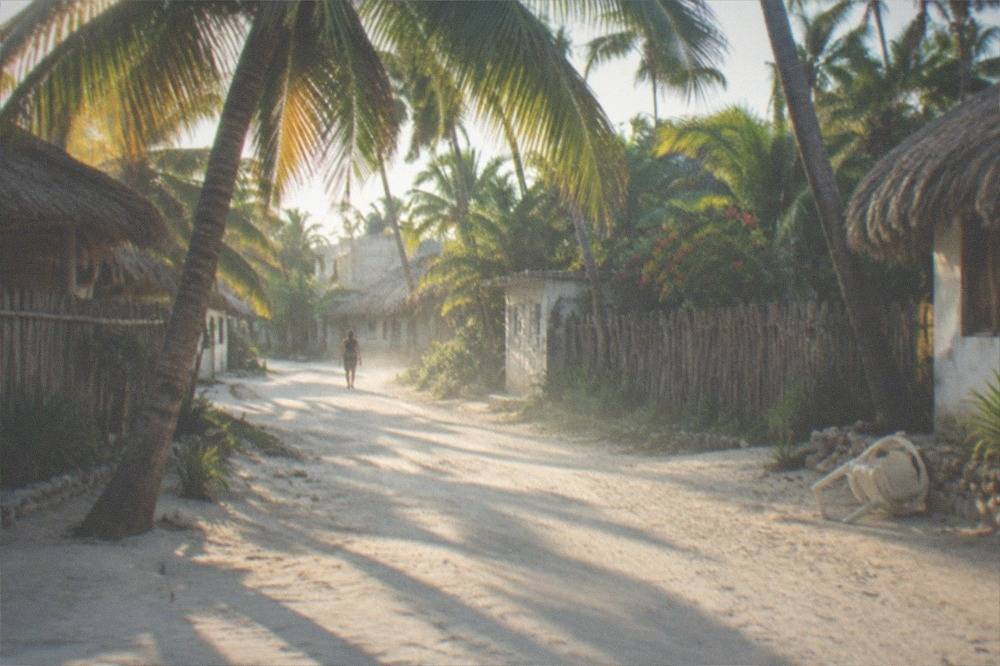
Yes, and the honest framing is that the decision should rest on season, budget and format, not on fear. The advisory tier matches half of Western Europe, the local crime trend is the best it has been in years, and the ruins themselves are the most controlled environment in town. The right question is which tour format fits, not whether to go.
If the safety reading has settled the "whether," the "which" comes down to how much of the day you want handled. The walking tour from $18 covers the site itself for anyone staying in Tulum. The private half-day from $159 adds door-to-door transport and all fees. And the ruins-plus-two-cenotes half-day combo, with a 4.4 rating across 1,166 reviews, bundles the ruins with swims at two cenotes, with hotel pickup and drop-off included and entrance fees of roughly 265 MXN, about $13 to $15 per adult, extra at the gate. Our are the Tulum ruins worth visiting piece covers what the site itself delivers, and the Tulum ruins site guide covers the structures you will actually stand in front of.
Whatever the format, the same planning basics hold: book with an operator whose listing states its inclusions plainly, keep a free-cancellation option where the tours offer one, and go early. The 8am gate is both the crowd-avoidance move and the heat-avoidance move, and it puts the whole visit inside the calmest, most patrolled hours the site has.
Common Questions About Tulum Safety
Is there a cartel presence in Tulum?
Organized-crime groups do operate in Quintana Roo, but Tulum's 2025-2026 record shows a sharp decline in violent crime, a Level 2 advisory matching several Western European countries, and isolated incidents that occurred away from tourist zones. The ruins are ticketed, patrolled, daytime-only sites.
Is Tulum safe for tourists right now?
By the standard measures travelers use, yes. Quintana Roo carries a US State Department Level 2 "Exercise Increased Caution" rating, the same tier as France, Italy, Spain and the UK, and Tulum's homicide counts fell sharply through 2025 and 2026. Standard precautions after dark in downtown areas are the advisory's own guidance.
Are the Tulum ruins safe to visit?
Yes. The archaeological zone is fenced, ticketed, patrolled and daytime-only, open 8:00 to 17:00 with last entry at 15:30. Reporting describes enhanced access security including National Guard elements and metal detectors. The realistic risks are sun and heat, not crime.
What is the US travel advisory level for Tulum, Mexico?
Level 2, "Exercise Increased Caution," the same tier the State Department assigns to France, Italy, Spain and the United Kingdom. The advisory flags crime risk and urges caution after dark in downtown areas, while recommending well-lit tourist zones.
Did crime in Tulum go up or down recently?
Down, sharply. Local reporting cites a 61.7 percent homicide reduction in Tulum municipality in 2025, some 2026 comparisons showing declines above 80 percent, and zero intentional homicides recorded in Tulum across stretches of May through July 2026.
Should I avoid Tulum at night?
Avoid dark, isolated areas at night, which is the advisory's guidance: stay on well-lit, busy streets, use licensed taxis or arranged transport rather than walking beach paths, and keep normal nightlife awareness about drinks and belongings.